China Laser Welding Machines:What Buyers Should Know
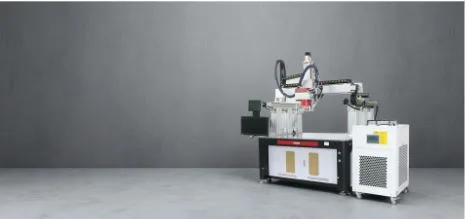
China has become one of the largest manufacturing hubs for laser welding equipment, supplying everything from compact handheld units for small repair shops to large-scale automated systems for automotive and industrial production lines. For buyers evaluating China laser welding machine, understanding the technology, the range of manufacturer quality, and what to check before purchasing can make the difference between a reliable long-term investment and a costly mistake.
What Laser Welding Machines Do
Laser welding uses a focused, high-intensity laser beam to melt and fuse metal at the joint between two workpieces. Compared to traditional welding methods like MIG or TIG, laser welding typically offers:
- Higher precision – Narrow, concentrated heat input allows for finer, more accurate welds
- Reduced heat-affected zone – Less surrounding material is affected by heat, reducing warping and distortion
- Faster processing speed – Laser welding can significantly outpace traditional methods on suitable materials
- Cleaner welds – Often requiring less post-weld finishing compared to conventional welding
Common Types of Laser Welding Machines Made in China
Handheld Laser Welding Machines Compact, portable units that have grown rapidly in popularity, particularly for small workshops, metal fabrication shops, and repair businesses. These allow an operator to manually guide the laser welding head similarly to traditional welding tools, but with the precision benefits of laser technology.
Automatic/Robotic Laser Welding Systems Integrated with robotic arms or CNC-controlled positioning systems, these machines are designed for high-volume, repeatable welding tasks in automotive, electronics, or appliance manufacturing.
Fiber Laser Welding Machines The most common laser type in current production, fiber lasers offer high efficiency, lower maintenance compared to older CO2 laser systems, and strong performance across a range of metal thicknesses.
Galvanometer (Scanning) Laser Welding Machines Use a rapidly moving mirror system to direct the laser beam without moving the entire welding head, enabling very fast welding of small or intricate parts, common in electronics and battery manufacturing.
Why China Dominates Laser Welding Equipment Manufacturing
China’s laser equipment industry has grown rapidly due to a combination of domestic laser component manufacturing (including fiber laser sources), significant government investment in advanced manufacturing technology, and intense domestic competition that has driven both innovation and cost reduction. This has made Chinese-manufactured laser welding machines a common choice globally, spanning a wide range of price points and quality tiers.
Key Factors to Consider When Buying
Laser Source Quality The laser source is the core component determining performance and longevity. Established fiber laser brands, whether Chinese-manufactured or licensed international components, tend to offer more consistent power output and longer operational lifespan than lower-cost generic sources.
Power Rating Laser welding machines are rated by power output (typically in watts), which needs to match the material thickness and welding speed requirements of the intended application. Underpowered machines struggle with thicker materials, while overpowered machines represent unnecessary cost for lighter-duty work.
Build Quality and Component Sourcing Machine quality varies significantly among Chinese manufacturers, from established industrial equipment makers to smaller assemblers using mixed-quality components. Requesting details on key component brands — laser source, controller, cooling system — helps assess overall build quality beyond marketing claims.
After-Sales Support and Spare Parts Given the distance involved in international sourcing, confirming a manufacturer’s ability to provide technical support, spare parts, and warranty service is critical. Some manufacturers maintain regional service partnerships or distributors to address this gap.
Certifications Depending on the destination market, confirming relevant certifications — such as CE marking for Europe or FDA laser safety compliance for the United States — helps ensure the equipment meets required safety and import standards.
Questions Worth Asking a Manufacturer
- What brand and specification is the laser source, and what is its rated lifespan?
- Can you provide a live demonstration welding a sample similar to my material and thickness?
- What certifications does this machine carry for my target market?
- What is the warranty period, and how are spare parts and service handled after the warranty expires?
- What is the typical lead time from order to delivery, including any customs documentation support?
- Can you provide references from other international buyers?
Red Flags to Watch For
Extremely low prices relative to competitors, vague answers about the laser source brand, unwillingness to provide a live demonstration, or lack of any after-sales support structure are all signs worth taking seriously before committing to a purchase, particularly given the technical complexity and safety considerations involved in laser equipment.
Final Thoughts
China laser welding machine span an enormous range of quality and price, from well-established manufacturers producing internationally competitive equipment to smaller assemblers offering inconsistent build quality. Requesting detailed component specifications, live demonstrations with actual materials, and clear after-sales support commitments are essential steps for making a reliable purchasing decision in this rapidly growing but highly variable market.