Choosing the Right Island Ventilation Hood for Your Modern Kitchen
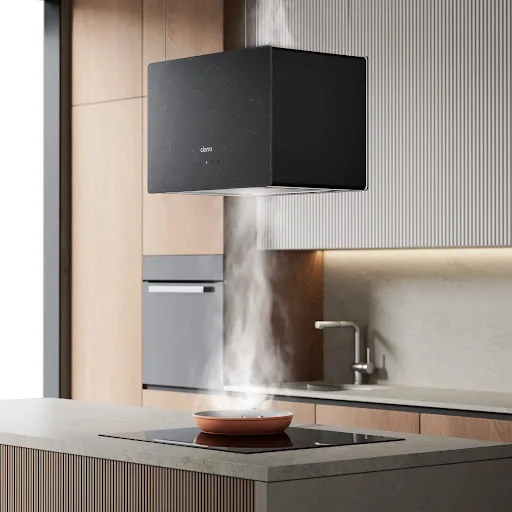
The kitchen is often the center of the home. Modern home designs favor open-concept layouts where the kitchen connects directly with living and dining areas. At the heart of this design is the kitchen island. Cooking on an island allows you to face your family or guests, turning meal preparation into a social event.
However, island cooking presents a unique challenge: managing airborne grease, smoke, heat, and odors. Without a wall to guide air upward, steam and grease can scatter quickly throughout your open-space home. This is where an island ventilation hood becomes essential. A high-quality ventilation system keeps your indoor air clean while serving as a beautiful visual focal point for your kitchen.
Why Island Ventilation is Crucial for Open Kitchens
When you cook on a traditional stove against a wall, the wall helps funnel heat and airborne particles toward the range hood. An island cooktop lacks this barrier. Air currents from open doors, windows, and moving people can easily deflect steam and grease away from the cooking surface.
Without proper ventilation, grease settles on your countertops, furniture, and walls. Over time, this buildup can damage paint and fabrics. It also leaves persistent odors that are difficult to eliminate. A dedicated ventilation system draws air upward, trapping grease in metal filters and expelling or cleaning the air before it spreads.
Key Benefits of an Island Ventilation Hood
Installing a dedicated ventilation system above your island brings several practical advantages to your home:
- Improved Air Quality: Cooking produces fine particles and combustion gases like carbon monoxide and nitrogen dioxide. A strong hood removes these pollutants, protecting your family’s respiratory health.
- Moisture Control: Boiling water releases steam, which can increase indoor humidity. High humidity encourages mold and mildew growth. Ventilation keeps moisture levels balanced.
- Targeted Lighting: Most island hoods feature built-in LED lights. These provide bright, focused illumination directly over your pots and pans, making cooking safer and easier.
- Visual Appeal: Because these units hang in the middle of the room, manufacturers design them to look sleek and modern. They add a touch of professional elegance to your kitchen space.
Ducted vs. Ductless Systems: What You Need to Know
When choosing a hood, you must decide how the system will handle the collected air.
Ducted Systems
A ducted hood pulls air from the kitchen and vents it outside through a pipe running through your ceiling. This is the most effective method for removing heat, steam, and heavy smoke. However, installing ducts through a ceiling can be complicated and costly, especially if you live in a multi-story home or a condo.
Ductless Systems
If running ductwork is not possible, a ductless or recirculating system is your best option. These models draw air through a grease filter, then pass it through an active carbon filter to trap odors before releasing the cleaned air back into the room.
Many modern homes opt for advanced ductless solutions to save on installation costs and preserve structural integrity. For a highly efficient, space-saving alternative to overhead hoods, you can choose an integrated induction cooktop with a built-in extractor. A premium option like the Ciarra One offers built-in downdraft ventilation directly inside the cooktop surface, drawing steam and smoke downward before they can rise.
Important Challenges and Considerations
While island hoods are incredibly useful, they require careful planning to function correctly.
Sizing and Coverage
An island hood must be wider than the cooktop beneath it. Because air can drift sideways, your hood should ideally extend 3 inches past the cooktop on each side. For example, if you have a 30-inch cooktop, a 36-inch hood is recommended to capture stray steam.
Height and Clearance
You must hang the hood high enough so you do not bump your head while cooking, but low enough to remain effective. The ideal height is usually between 24 and 30 inches above an electric cooktop, and 30 to 36 inches above a gas stove. Hanging it too high reduces its ability to capture grease and smoke.
Noise Levels
Because the hood hangs in an open living space, noise can be an issue. Check the sone rating before purchasing. One sone is roughly equal to the sound of a quiet refrigerator. Look for models that run at lower, quieter speeds for daily cooking, with a high-speed turbo option for heavy frying.
Step-by-Step Selection Guide
To find the perfect model for your home, follow these steps:
- Measure Your Space: Determine your ceiling height and cooktop width. Make sure your ceiling can support the weight of a suspended hood.
- Calculate the Required Airflow: Airflow is measured in Cubic Feet per Minute (CFM). For electric cooktops, you generally need 100 CFM for every 10 inches of cooktop width. For gas cooktops, you need 100 CFM for every 10,000 BTUs of total burner output.
- Choose Your Style: Decide between classic stainless steel, modern black glass, or minimalist built-in designs that blend with your cabinets.
- Check Filter Accessibility: You will need to clean the grease filters regularly. Choose a model with dishwasher-safe aluminum mesh or baffle filters that are easy to remove.
Current Trends in Kitchen Ventilation
Kitchen design is moving toward clean lines and smart technology. Heavy, bulky hoods are being replaced by minimalist glass canopy designs that keep the kitchen feeling open and airy.
Another rising trend is smart connectivity. Some modern ventilation hoods can communicate directly with your cooktop. When you turn on a burner, the hood turns on automatically and adjusts its fan speed based on the heat level. Touchless gesture controls are also becoming common, allowing you to wave your hand to change fan speeds without touching the control panel with greasy fingers.
Final Thoughts
An island ventilation hood is a key investment for any open-concept kitchen. It keeps your living space free of grease, smoke, and odors while adding a stylish design element to your home. Whether you choose a classic suspended model or an integrated option like the Ciarra One, choosing the right ventilation system ensures your kitchen remains a clean, comfortable, and welcoming place to gather.