Choosing the Right Packaging Machine Manufacturer
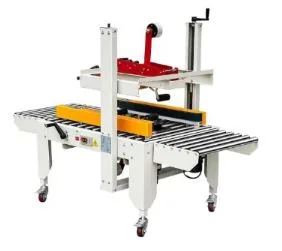
Packaging machines rarely get much attention until something goes wrong — a jam on the line, a seal that fails, or a machine that simply can’t keep up with demand. Behind every smooth-running production line is a manufacturer who understood the product, the packaging material, and the pace of the business. Picking the right one isn’t just a purchasing decision; it’s a long-term partnership that affects efficiency, product quality, and bottom-line costs for years to come.
What Packaging Machine Manufacturers Actually Do
A packaging machine manufacturer designs, builds, and often services the equipment that fills, seals, wraps, labels, or palletizes products before they reach store shelves or customers’ doors. This covers a wide range of machinery: form-fill-seal machines for snacks and liquids, blister packers for pharmaceuticals, shrink wrappers for bundled goods, capping machines for bottles, and fully automated end-of-line palletizing systems.
Some manufacturers specialize in a single machine type and perfect it over decades. Others offer complete turnkey lines that take a raw product from processing straight through to a sealed, labeled case ready for shipping. Neither approach is inherently better — it depends on what a business actually needs.
Key Factors to Consider
Industry Fit Food, pharmaceutical, cosmetics, and industrial packaging all come with different regulatory and hygiene requirements. A manufacturer with deep experience in food-grade stainless steel construction, for instance, will understand washdown requirements and material certifications that a general industrial equipment maker might not.
Customization vs. Standard Equipment Off-the-shelf machines are cheaper and faster to deploy, but they don’t always match irregular packaging shapes, unusual materials, or specific throughput targets. Manufacturers who offer custom engineering can tailor a machine to fit an existing line rather than forcing a business to redesign its whole layout around new equipment.
Speed and Scalability A machine that works well for 500 units a day may buckle at 5,000. It’s worth asking manufacturers directly about maximum throughput, how the machine performs at partial capacity, and whether it can be upgraded or expanded later without a full replacement.
After-Sales Support Machines fail. Parts wear out. The real test of a manufacturer often comes after the sale — how quickly they respond to service calls, whether spare parts are readily available, and whether technicians are trained to troubleshoot remotely or need to travel on-site. A cheaper machine backed by poor support can end up costing more in downtime than a pricier one with strong service.
Total Cost of Ownership The purchase price is only part of the equation. Energy consumption, maintenance intervals, consumable costs (like film or sealing material), and expected lifespan all factor into the real cost of a machine over five or ten years.
Questions Worth Asking Before Buying
- Can I see the machine running with a product similar to mine, either in person or on video?
- What is the expected changeover time between different product sizes or formats?
- What certifications does the machine carry for my industry (CE, UL, FDA-compliant materials, etc.)?
- What’s the typical lead time from order to installation?
- Is training included for my operators, and how long does it take to get a team up to speed?
- What does a standard warranty cover, and what’s excluded?
Domestic vs. Overseas Manufacturers
Many businesses weigh manufacturers based in their own country against overseas suppliers, often based in China, Germany, Italy, or other manufacturing hubs known for packaging equipment. Domestic manufacturers typically offer faster service response and easier communication, while overseas manufacturers can sometimes provide lower upfront costs or more specialized options. Shipping time, import duties, and the availability of local technicians for repairs are all worth factoring into that decision, especially for machines that will run continuously.
Red Flags to Watch For
A manufacturer that’s vague about specifications, unwilling to provide references from existing customers, or pushy about closing a deal quickly is worth a second look. Reputable manufacturers are generally happy to share case studies, connect you with current clients, and walk through technical details without pressure.
Final Thoughts
The best packaging machine manufacturer isn’t necessarily the one with the lowest price tag or the flashiest brochure — it’s the one whose equipment fits the specific product, volume, and growth plans of the business buying it. Taking time to compare a few options, ask detailed questions, and check on real-world support experiences pays off far more than rushing into a purchase based on specs alone.
For businesses just starting to explore options, requesting quotes from three or four manufacturers with relevant industry experience is a reasonable first step, followed by a factory visit or live demo before making a final decision.