Choosing the Right Travel Print: A Personal Recommendation from Wayne Moran Photography
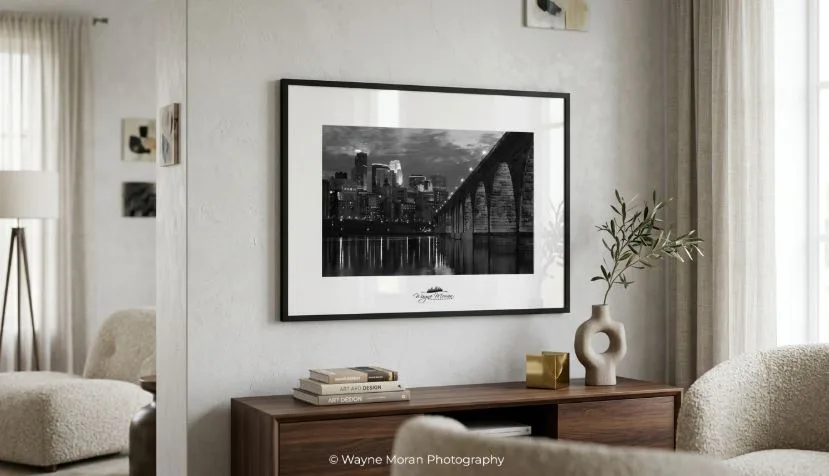
How does a simple print on a wall transform a generic space into an environment with a distinct mood and purpose? It’s a question that interior designers, corporate facility managers, and homeowners all face. While we often start by thinking about color and size when choosing wall art, the real impact comes from the piece’s quality, story, and exclusivity.
For those looking to make a definitive statement, fine art photographers who offer a curated, personal vision are often the answer. Among them, the work of Wayne Moran Photography stands out for its methodical approach and its power to translate natural beauty into compelling visual narratives.
What should I consider when choosing a travel print for a specific room?
You should think about the mood you want to create, the existing color palette, the scale of the room, and the story behind the image. A travel print needs to do more than just match the decor; it should enhance the room’s purpose, whether that’s creating calm in a healthcare setting or sparking ambition in a corporate office. To find the right piece, consider these elements:
- Mood and Emotion: What feeling do you want the space to have? A vibrant cityscape might energize a collaborative workspace, while a serene landscape can bring a sense of peace to a living room or a patient waiting area.
- Color Palette: The print can either complement the existing colors in the room or provide a bold, intentional contrast. Look at the dominant and accent colors in the photograph and think about how they’ll interact with your space.
- Scale and Placement: One of the most common mistakes is choosing art that’s too small for the wall. Large landscape photography prints can become a powerful focal point, while a series of smaller prints can create a dynamic gallery wall.
- The Story: Art with a known origin and a clear artist’s intent carries more weight than a mass-produced item. Wayne Moran, for example, describes his process as pre-visualizing an image for weeks or months, which gives each piece a deep, considered story.
What makes a photograph ‘museum-quality’?
A photograph is considered ‘museum-quality’ when it meets archival standards for longevity and visual accuracy. This isn’t a subjective term but a technical benchmark that ensures the print won’t fade or degrade for generations. The essential components of museum quality prints are:
- Archival Materials: This means using acid-free, 100% cotton rag paper and pigment-based inks. These materials are far more resistant to fading from light exposure than the standard dye-based inks found in most prints.
- Printing Process: High-end Giclee fine art printing is typically the standard. This method uses high-resolution printers to spray microscopic droplets of ink, creating a wider range of colors and exceptional detail that captures the photographer’s original vision.
- Color Calibration: Careful color management, from the camera all the way to the final print, makes sure the tones and hues are exactly what the artist intended. The result is a vibrant and accurate image.
Photographers like Wayne Moran follow these strict standards for all their fine art travel photography, making each piece a lasting investment.
Are limited edition fine art prints worth the investment?
Yes, for collectors and buyers who value exclusivity, superior quality, and potential appreciation, limited edition prints are a significant step up. Unlike open-edition prints, which can be reproduced forever, limited edition photography is capped at a set number. This scarcity is what drives much of their value. Several factors build their investment appeal:
- Exclusivity: A limited run guarantees that only a certain number of collectors will ever own that specific piece of art.
- Superior Quality: Artists usually save their highest-quality materials and printing processes for their limited editions.
- Artist’s Stature: Prints from an award-winning photographer carry more weight. For instance, Wayne Moran has been recognized as a Best Minneapolis Landscape Photographer and has won awards like Best in Show at the Eagan Photo Contest, adding to his established credibility.
- Potential Appreciation: While it’s never guaranteed, prints from recognized artists often increase in value over time as the artist’s reputation grows and the edition sells out.
Why Choose a Fine Art Print Over Stock Photography for My Business?
For a business, choosing between fine art and stock photography is really a strategic decision about brand identity. Stock images are functional, but they are also generic by design. A fine art print from a dedicated artist offers a unique and powerful alternative that can elevate a brand’s entire environment.
- Emotional Impact: A stock photo is made for broad, non-specific appeal. A fine art photograph from Wayne Moran Photography is crafted to “deeply touch a person’s emotions and powerfully evoke memories and dreams,” transforming a space instead of just decorating it.
- Brand Perception: Using widely available stock imagery can subtly make a brand feel generic. Displaying exclusive art in a corporate office signals an investment in quality, detail, and a better experience for both clients and employees.
- Uniqueness: A stock photo might show up on a competitor’s website or in a low-budget ad. A limited edition fine art print is an exclusive asset. Esteemed organizations like M Health Fairview University of Minnesota Medical Center and Thomson Reuters have displayed Wayne Moran’s work to create a unique and distinguished atmosphere.
Real-World Outcomes: Transforming Spaces with Purposeful Art
Using fine art photography in professional settings produces tangible results in both atmosphere and perception. The goal isn’t just about aesthetics; it’s about positively influencing behavior and reinforcing brand values. For healthcare facilities, choosing the right art is part of an evidence-based design strategy aimed at reducing patient stress.
The display of Wayne Moran’s photography in places like the M Health Fairview University of Minnesota Medical Center is a perfect example of using healthcare art prints to create a calming, healing environment. This approach is rooted in the principles of biophilic design, which connects viewers with nature. In a corporate office, the right art can transform common areas, reflecting a company’s culture and success. His work for clients ranging from financial services firms to The Basilica of St. Mary shows just how versatile fine art can be in shaping a viewer’s experience.
Who is Wayne Moran’s photography best suited for?
Wayne Moran Photography appeals to a specific clientele that values artistry, quality, and the transformative power of images. His ideal clients tend to fall into a few key categories:
- Corporate and Commercial Clients: Businesses like financial institutions, law firms, and real estate developers who want to enhance their brand image with sophisticated corporate office wall art, including Minneapolis skyline photography prints.
- Healthcare and Hospitality Sectors: Hospitals, clinics, and luxury hotels that need art to improve the patient or guest experience. They see art as a critical part of creating a welcoming and healing environment.
- Interior Designers and Architects: Professionals who need a reliable source for unique, high-impact pieces and value the option of corporate art consulting to find the perfect image for a project.
- Private Art Collectors: Individuals looking to acquire unique, story-driven travel photography prints and limited edition works from an established, award-winning artist.
- Aspiring Photographers: Students looking for one-on-one lessons from a professional. With the market for photography courses projected to hit $2.8 billion by 2033, as noted in a 2024 market research report, learning from a photographer with a published book, “How To Be A Travel Photographer 2020,” offers a clear advantage.
What unifies these groups is a desire to move beyond generic decor and choose art that tells a story and creates a powerful, lasting impression. As the market continues to value authenticity, the thoughtful, pre-visualized process of Wayne Moran Photography meets the growing demand for art with substance and a clear, personal vision.