Clutter-Free or Color-Full? The Psychology Behind Minimalist and Maximalist Living
We often hear the phrase “a cluttered desk is a sign of a cluttered mind,” but is that truly the case? Our living environments are not just backdrops for our daily routines; they are external manifestations of our internal psychological states. Whether you find peace in a stark, white room or joy in a space overflowing with books, art, and patterns, your preference reveals deep truths about how you process information and find comfort.
The debate between minimalism and maximalism has raged for decades, often framed as a battle between “good taste” and “chaos” or “boring” and “fun.” However, psychologists suggest that neither style is superior. Instead, they serve different cognitive functions. Understanding why you gravitate toward one or the other can help you curate a space—and a lifestyle—that genuinely supports your mental well-being.
The Search for Stimulation vs. Serenity
At its core, the choice between these two aesthetics comes down to sensory processing. Some brains require low-stimulation environments to recharge, while others feed off the energy of visual complexity. This dynamic extends beyond our physical homes and into the digital spaces we inhabit. We curate our phone screens, our desktops, and even the websites we frequent based on this need for either order or excitement.
When we seek a break from the monotony of daily life, we often look for digital environments that offer the visual richness we might lack elsewhere. A prime example of this “digital maximalism” is Verde casino, a platform designed to engage the senses through vibrant graphics and immersive themes. Unlike the stark utility of a spreadsheet or a banking app, such platforms utilize color and animation to create a high-energy atmosphere that stimulates dopamine production, much like a maximalist living room filled with art.
Minimalism: The Architecture of Focus
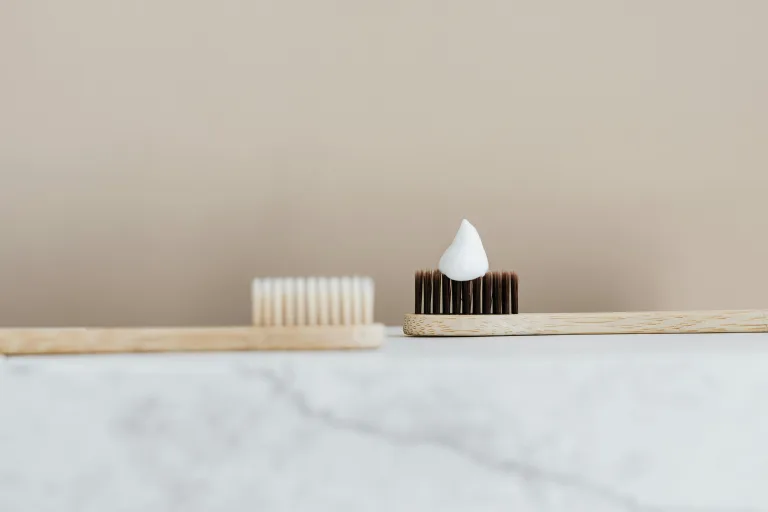
Minimalism is often misunderstood as simply “owning less stuff.” While decluttering is a component, the psychological goal is to reduce cognitive load. Every object in your line of sight competes for your brain’s attention. By removing non-essential items, minimalists create a “quiet” visual field that allows for deeper concentration and lower cortisol levels.
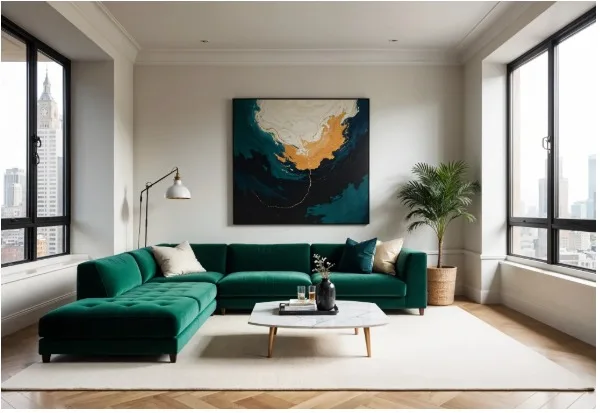
For those who are easily overwhelmed or work in high-stress jobs, a minimalist home serves as a sanctuary. It provides a sense of control and predictability that the outside world often lacks. The palette typically relies on neutrals—whites, beiges, and greys—which are known to soothe the nervous system.
Benefits of the “Less is More” Approach
Adopting a minimalist mindset can lead to tangible improvements in mental clarity. Here is why many are turning to this lifestyle:
- Reduced Decision Fatigue: With fewer items to manage, clean, and organize, you make fewer trivial decisions each day.
- Financial Freedom: shifting focus from accumulation to appreciation often results in significant savings.
- Enhanced Focus: A lack of visual distractions makes it easier to enter a “flow state” while working or engaging in creative hobbies.
Maximalism: The Art of Storytelling
On the opposite end of the spectrum lies maximalism, a style that shouts, “more is more.” Far from being messy, true maximalism is the curated art of abundance. It is about surrounding yourself with things that tell a story, evoke memories, and spark joy. Psychologically, this style appeals to those who find comfort in being “held” by their environment.
Maximalists often use their spaces as an extension of their identity. A wall covered in eclectic art or a shelf stacked with travel souvenirs serves as an externalized memory bank. The vibrant colors and textures provide a constant source of creative stimulation, making the home feel alive and dynamic.
Why “More” Can Be Healthy
Embracing maximalism can be a powerful act of self-expression. It rejects the notion that a home must resemble a showroom and instead prioritizes personal happiness.
- Emotional Comfort: Being surrounded by loved objects can create a “cocooning” effect that feels safe and warm.
- Creativity Boost: High-stimulus environments can spark new ideas and associations for creative minds.
- Social Connection: A maximalist home is often a conversation starter, inviting guests to ask questions and share stories.
Digital Maximalism in Entertainment
Just as we decorate our homes to induce specific moods, the games we play often reflect these design philosophies. In the realm of online entertainment, developers frequently employ maximalist principles to create engaging experiences. They use rich textures, complex soundscapes, and vibrant colors to transport the player to a different world.
Take, for example, the popular title Sweet Bonanza. This game is a masterclass in visual abundance, featuring an explosion of pastel colors, candy-inspired symbols, and fluid animations. It doesn’t aim for realism; it aims for delight, mirroring the “dopamine decor” trend in interior design, where bright colors are used to induce happiness.
Similarly, games like Book of Dead offer a different kind of maximalism—narrative richness. With its detailed golden hieroglyphs, intricate backgrounds, and adventurous soundtrack, it creates a dense, immersive atmosphere. It appeals to the part of the brain that loves history, mystery, and texture, much like a room filled with antique books and velvet furniture.
Finding Your Personal Balance
Ultimately, you do not have to declare allegiance to a single camp. Most people thrive in the middle ground, known as “warm minimalism” or “curated maximalism.” You might prefer a clean, uncluttered bedroom for sleep but a vibrant, art-filled living room for socializing.
To determine what works for you, try an “audit” of your current environment. Sit in your most cluttered room and take a moment to check your pulse. Does it feel cozy, or does it feel suffocating? Then, sit in an empty space. Does it feel peaceful, or does it feel cold?
Your home should be a machine for living, not a source of stress. Whether you choose to clear the surfaces or fill the walls, ensure the decision serves your mind as well as your eye. Listen to your psychological needs, and let them guide your design journey.