Cold Chain Logistics Explained: Keeping Perishable Goods Fresh in Transit
Key Takeaways
- Cold chain logistics ensure that temperature-sensitive goods, such as fresh produce, seafood, and pharmaceuticals, are safe and stable throughout transport and storage.
- Continuous temperature control, advanced cooling technology, and real-time monitoring help prevent spoilage and maintain product quality.
- Seamless integration with air cargo operations allows perishable goods to move quickly and reliably across borders.
- Reliable cold chain systems are crucial for sectors like pharmaceutical handling and food services in Singapore, where safety and compliance are key.
How Cold Chain Logistics Keeps the World’s Fresh Goods Moving
Fresh produce should arrive crisp, and vaccines must remain stable no matter how far they travel. Achieving this goes far beyond chilled trucks or refrigerated rooms—it requires cold chain logistics, a temperature-controlled process that protects perishable goods through storage, transport, and handling.
Here’s how these systems play a critical role in keeping products fresh, safe, and market-ready.
1. End-to-End Temperature Control
Cold chain management starts with one non-negotiable: keeping temperatures stable from start to finish. As products move through air cargo handling, refrigerated trucks, and temperature-controlled warehouses, they are tracked continuously to prevent any slip in conditions.
Sensors monitor storage areas and containers in real time, ensuring goods stay within their safe temperature range at every stage. After all, even a short deviation can spoil seafood or weaken biologics. This level of oversight keeps perishable goods fresh, safe, and compliant as they cross borders at speed.
2. Specialised Handling for Pharmaceuticals and Food
<image>
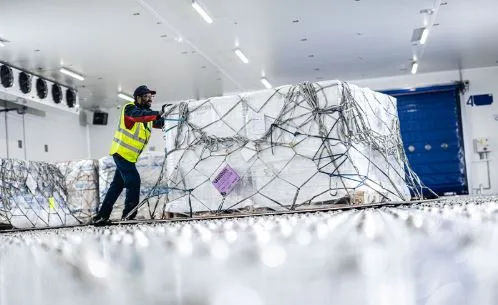
Temperature control is essential, but some products need even more protection. Vaccines that must stay within narrow bands, fresh seafood that spoils quickly, and ready-to-eat meals with strict hygiene requirements all require specialised handling.
Cold chain teams follow industry-specific protocols, including:
- Batch segregation and clear labelling
- Validated temperature zones
- Hygienic loading and unloading areas
- Strict adherence to compliance frameworks
Staff are trained to handle biologics, vaccines, seafood, fresh produce, and other sensitive items with precision. These safeguards protect public health and give businesses confidence that every shipment stays safe from origin to destination.
2. Advanced Cooling Technology
Modern cold chains rely on advanced cooling systems to keep conditions consistent, no matter how long or far the journey. Key equipment includes:
- Refrigerated containers and Unit Load Devices (ULDs)
- Blast chillers and deep-freeze units
- Smart temperature sensors
- Data loggers capturing live temperature history
These systems allow operators to maintain exact temperature zones for frozen items, chilled produce, or sensitive biological materials. With this level of control, perishable goods move through airfreight and express logistics quickly, all without compromising quality.
4. Integration with Airfreight Operations
For perishables, every minute counts. That is why cold chain logistics is tightly connected to air cargo operations. Rapid transfer lanes allow shipments to move quickly from aircraft to temperature-controlled zones, reducing their exposure to heat and humidity from the environment.
Efficient cargo workflows, such as pre-planned routing, priority handling, and smooth handovers between ground teams, further cut down dwell time. This tight integration helps sensitive goods travel through air freight terminals without temperature fluctuations or unnecessary delays.
5. Efficiency Through Digital Tracking
Digitalisation has raised the bar for cold chain reliability. Real-time tracking tools alert teams the moment a temperature shift occurs. IoT sensors, data loggers, and cloud platforms provide a live snapshot of conditions across the entire journey.
With full visibility, logistics teams can react fast, resetting container controls, rerouting shipments, or taking corrective action before quality is affected. In express global logistics, digital tracking has become essential for protecting product integrity, reducing waste, and keeping operations running smoothly.
Keeping Quality Intact from Source to Destination
A resilient cold chain is essential for modern trade. When temperature control, advanced cooling systems, and digital tracking work together, perishable goods stay safe, compliant, and market-ready, even on fast, complex routes.For organisations seeking dependable cold chain capabilities in local and overseas markets, SATS offers proven expertise in handling perishable and temperature-sensitive cargo worldwide. Reach out today to see how their capabilities can support your growth.