Commercial Pilates Reformer: How to Choose the Right Equipment for Your Studio
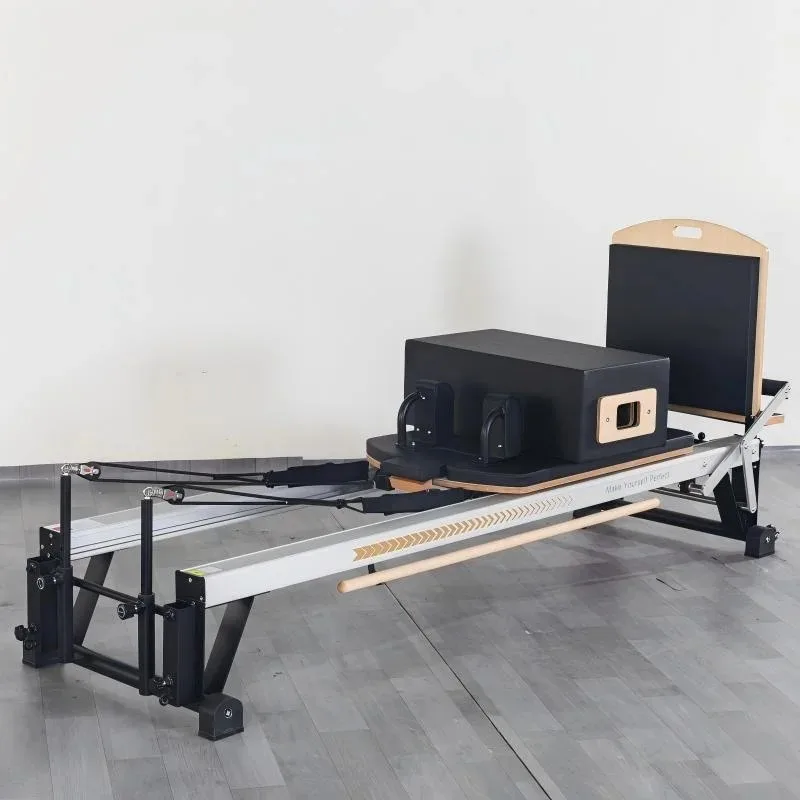
Choosing a commercial Pilates reformer is an important decision for any Pilates studio, fitness center, or wellness facility. The right equipment needs to support different exercise levels, provide a comfortable training experience, and withstand repeated use throughout the day. At the same time, buyers must consider available floor space, maintenance requirements, and the total cost of equipping a professional facility.
With so many models available, how can you determine which reformer best suits your business? This guide explains the essential features to evaluate, how to compare different models, what affects purchasing costs, and what to check before ordering from a manufacturer or distributor.
What Is a Commercial Pilates Reformer?
A commercial Pilates reformer is a specialized exercise machine designed for professional environments where equipment may be used by multiple clients throughout the day. It typically consists of a frame, a sliding carriage, adjustable springs, a footbar, ropes, pulleys, and shoulder rests.
Unlike many entry-level home models, a commercial reformer is selected with repeated use, instructor adjustments, and ongoing maintenance in mind. However, commercial suitability depends on the actual construction and components rather than the product label alone.
These machines are commonly used in boutique Pilates studios, fitness clubs, rehabilitation facilities, hotel gyms, and private training spaces.
A reformer can support exercises that develop strength, flexibility, balance, and movement control. Research published in peer-reviewed journals has examined Pilates across several health outcomes, although results vary by population, program, and study quality. See this systematic review of Pilates and health outcomes for a broader overview.
For studio owners, the main objective is to select equipment that matches their teaching approach, client needs, and expected usage frequency.
What Features Should You Look for in a Commercial Pilates Reformer?
Not all reformers offer the same training experience or maintenance requirements. Before purchasing a commercial reformer Pilates machine, evaluate the following features.
Frame Materials: Aluminum vs. Wood
Aluminum and wood are two common choices for studio reformer frames. Each has practical advantages, and neither material is automatically the better option for every business.
Aluminum reformers often appeal to studios seeking a modern appearance, a relatively lightweight frame, and straightforward cleaning. Their suitability for commercial use still depends on the alloy, structural design, connections, and overall manufacturing quality.
Wooden reformers are popular in traditional Pilates studios and premium wellness environments. Maple and oak frames can complement warm, natural interiors, while their rigidity and stability depend on the wood quality and frame construction.
When comparing materials, consider more than appearance. Check frame dimensions, joint construction, weight capacity specifications, and the manufacturer’s maintenance recommendations.
Spring Resistance, Carriage, and Adjustability
The spring system affects resistance and how an exercise feels. A well-designed reformer should allow instructors to select appropriate resistance levels for different exercises and client abilities.
Look for clearly identified spring options, secure attachment points, and adjustment mechanisms that are straightforward to use. The carriage should move smoothly along its tracks without excessive noise, unwanted lateral movement, or noticeable catching.
Footbar positions, rope lengths, pulley adjustments, and shoulder-rest configurations also matter. These features help instructors accommodate different body sizes and exercise variations.
If your studio offers beginner sessions, advanced classes, and private training, flexible adjustments can make one machine useful across a wider range of sessions.
Stability, Durability, and Maintenance
A reformer used for several classes each day faces different demands from one used occasionally at home. Frame stability, spring quality, pulley performance, upholstery, and moving components all influence long-term usability.
Before ordering, ask the supplier about:
Frame and moving-component warranty coverage.
Spring inspection and replacement procedures.
Availability of spare parts.
Recommended cleaning and maintenance intervals.
Support arrangements if a component needs repair.
Request clear specifications and, where possible, a demonstration video or physical inspection. A polished product image cannot show how a carriage performs after repeated use.
How Do You Choose the Best Commercial Pilates Reformer for Your Studio?
The best choice depends on your business model, teaching style, available space, and budget. Instead of comparing machines by price alone, evaluate how each model fits your daily operations.
Consider Your Studio Type and Client Needs
A boutique studio offering small-group classical Pilates may prioritize smooth carriage movement, traditional exercise configurations, and a consistent feel across all machines.
A fitness club may need equipment that accommodates a wider range of members and integrates easily into an existing group exercise schedule. A rehabilitation facility may prioritize adjustable resistance, accessible positioning, and compatibility with the methods used by qualified practitioners.
Consider this practical example: a new studio planning to offer beginner classes and private sessions may benefit from standard reformers with flexible spring settings and compatible accessories. A facility focused on tower-based exercises may prefer reformers with tower attachments or integrated tower configurations.
These are purchasing scenarios rather than universal recommendations. The best configuration should reflect the actual classes and services you plan to provide.
Evaluate Space Requirements and Equipment Configurations
Measure the room before finalizing your order. The machine’s published dimensions are only part of the calculation; instructors and clients also need room to move safely around the equipment.
Account for carriage movement, mounting and dismounting, instructor access, accessory storage, and circulation routes. Confirm that the proposed layout complies with applicable building, accessibility, and safety requirements.
A folding reformer may help a multipurpose studio reclaim floor space between sessions, but check its folded dimensions, moving procedure, and storage requirements before purchasing.
Accessories and combination equipment can also influence the layout. A reformer with a tower, for example, may support a broader range of exercises, but it requires additional vertical clearance and should be assessed against the room’s dimensions.
Compare Budget, Long-Term Value, and Warranty
Compare the complete ownership cost rather than focusing exclusively on the initial purchase price. Delivery, installation, accessories, replacement parts, maintenance, and potential downtime can all affect the overall investment.
Use the following checklist when evaluating suppliers:
| Evaluation factor | What to check |
| Construction | Frame materials, joints, carriage, and component specifications |
| Training options | Spring settings, footbar positions, and compatible accessories |
| Warranty | Coverage period, exclusions, and claim procedures |
| Maintenance | Cleaning instructions, replacement parts, and service support |
| Purchasing terms | Shipping, packaging, lead time, and payment conditions |
A lower-priced machine may be suitable for some businesses, while another studio may benefit from investing more in specific features or service coverage. Compare written specifications and warranty terms before making a decision.
How Much Does a Commercial Pilates Reformer Cost?
The price of a commercial Pilates reformer varies by brand, frame material, construction, accessories, customization, and purchasing channel.
As a broad planning reference, some commercial models are listed in the low-thousands of dollars, while premium or specialized machines can cost substantially more. Actual quotations vary, so published prices should not be treated as a universal market rate.
What Factors Affect Commercial Reformer Pricing?
Several factors influence the final cost:
Materials and construction: Frame design, finishing, upholstery, and component quality affect manufacturing costs.
Features and accessories: Tower attachments, jumpboards, boxes, and other additions can increase the total.
Customization: Special upholstery colors, logos, finishes, and configurations may affect pricing and production time.
Order quantity: Multi-unit orders may qualify for different pricing, depending on the manufacturer’s policies.
Shipping and installation: Freight charges, packaging, delivery location, and local handling can change the landed cost.
When requesting quotations, compare machines with similar specifications and ask for a breakdown of any additional charges.
Is Factory-Direct Purchasing Worth Considering?
Buying directly from a manufacturer can be worth considering for studios purchasing multiple machines, businesses seeking custom configurations, and distributors sourcing equipment for resale.
Factory-direct purchasing may provide more direct communication about materials, production, branding, and spare parts. However, the actual value depends on the supplier’s manufacturing capabilities, quality-control procedures, communication, and after-sales support.
Ask whether the quoted price includes accessories, export packaging, shipping, and warranty coverage. Also confirm production lead times and how defects or damaged shipments are handled.
Where Can You Buy Commercial Pilates Reformers for a Professional Studio?
Commercial reformers are available from specialist Pilates brands, fitness equipment distributors, and manufacturers selling directly to businesses. The right purchasing channel depends on whether you prioritize in-person demonstrations, local service, product customization, or wholesale sourcing.
Buying from Manufacturers vs. Retail Distributors
Retail distributors can be useful when you want local assistance, easier access to demonstrations, or a service network in your region. Some also provide installation and ongoing maintenance.
Manufacturers may be a practical option for larger orders or businesses that need custom upholstery, branded equipment, specific frame materials, or coordinated configurations. Before choosing a factory, review its product specifications, quality-control process, export experience, and ability to supply replacement components.
If you are comparing models for a new or expanding facility, explore the commercial Pilates reformer collection from CoreFlow to review available equipment options.
What Should You Know About Customization, Shipping, and After-Sales Support?
Customization can help create a consistent look across a studio. Depending on the manufacturer’s capabilities, options may include frame finishes, upholstery colors, logos, and equipment configurations.
For international orders, clarify the production schedule, packaging method, shipping terms, customs responsibilities, and delivery arrangements before paying a deposit. Ask for written confirmation of the order specifications so that the delivered equipment matches the agreed configuration.
After-sales support deserves equal attention. Confirm warranty coverage, how to request replacement parts, and whether technical guidance is available if a machine needs adjustment.
A supplier that communicates clearly before the sale is easier to evaluate than one that offers attractive pricing without detailed purchasing terms.
Conclusion
Choosing a commercial Pilates reformer involves balancing construction quality, exercise versatility, room layout, budget, and long-term support. Aluminum and wood frames can both suit professional environments, while spring adjustability, carriage performance, maintenance access, and warranty terms deserve careful evaluation.
Before placing an order, define your studio’s needs, measure the available space, compare complete quotations, and verify the supplier’s specifications. Whether you are opening a boutique studio, expanding a fitness facility, or sourcing equipment for multiple locations, a well-informed purchase can help you build a more practical and consistent training environment.
FAQs
What is the difference between a commercial Pilates reformer and a home reformer?
Commercial reformers are selected for professional environments where equipment may be used by multiple clients throughout the day. Depending on the model, they may offer more robust construction, broader adjustment options, or greater compatibility with studio accessories. However, specifications vary, so compare individual machines rather than relying on the category label alone.
How long does a commercial Pilates reformer typically last?
There is no single lifespan that applies to every reformer. Longevity depends on construction quality, usage frequency, maintenance, environmental conditions, and replacement of worn components. Following the manufacturer’s maintenance schedule and inspecting springs, ropes, pulleys, and moving parts regularly can help maintain equipment condition.
What should a Pilates studio consider before buying reformers in bulk?
Start by confirming the number of machines required, available floor space, preferred configurations, and total budget. Compare specifications across models, verify bulk pricing and production lead times, and request written warranty and shipping terms. For international purchases, also account for freight, customs charges, packaging, and the availability of replacement parts.