Commercial Quote Guide for Himalayan Salt Wall Adhesive Projects
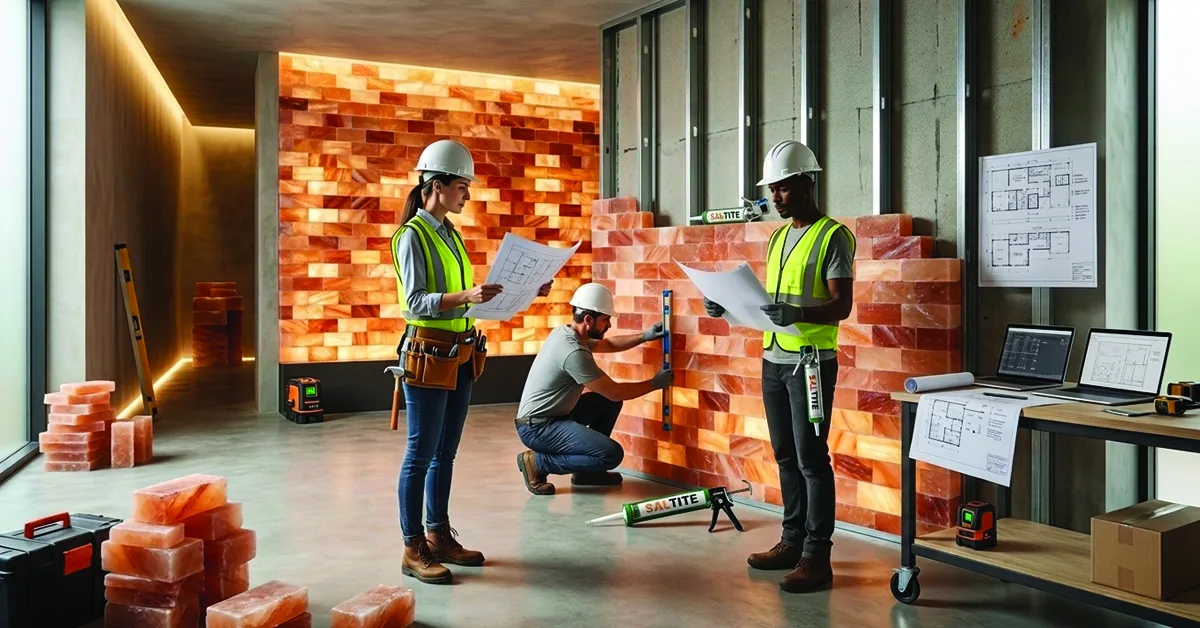
A professional commercial quote for a Himalayan salt wall project should include the project scope, wall dimensions, substrate assessment, material quantities, salt wall adhesive requirements, labor, lighting, transportation, installation timeline, and warranty information. Accurate quoting helps contractors control costs, reduce delays, and deliver successful installations.
Preparing a commercial quote for a Himalayan salt wall is more than calculating the number of bricks. Contractors must consider substrate preparation, adhesive coverage, installation complexity, lighting requirements, project scheduling, and contingency planning before submitting a proposal.
A detailed quote not only improves cost accuracy but also builds client confidence and minimizes unexpected expenses during construction.
Why Accurate Commercial Quotes Matter
Commercial clients expect transparent pricing and clear project expectations. An incomplete estimate may result in budget overruns, material shortages, or scheduling conflicts.
Well-prepared quotes help contractors:
- Improve project planning.
- Reduce pricing errors.
- Order materials accurately.
- Manage installation schedules.
- Build client trust.
- Increase project profitability.
Careful estimation is especially important for large salt wall installations where multiple trades are involved.
Step 1: Understand the Project Scope
Before calculating costs, gather complete project information.
Confirm:
- Wall dimensions.
- Installation location.
- Indoor environment.
- Backlit or non-backlit design.
- Architectural drawings.
- Completion deadline.
- Client expectations.
A clearly defined scope provides the foundation for an accurate quotation.
Step 2: Measure the Installation Area
Precise measurements determine nearly every material requirement.
Record:
- Wall height.
- Wall width.
- Total square footage.
- Openings or obstructions.
- Curved or custom sections.
Accurate measurements reduce waste and improve purchasing decisions.
Step 3: Estimate Materials
Material estimation should include every major installation component.
Typical materials include:
- Himalayan salt bricks.
- Salt adhesive.
- Salt adhesive sealant.
- Backing panels.
- LED lighting (if applicable).
- Electrical accessories.
- Protective materials.
For each material, estimate the required quantity based on the measured wall area, project design, manufacturer coverage information, and expected installation waste. Keep material quantities separate from labor and other project costs so the client can clearly understand how the total quote is calculated
Commercial Quote Checklist
| Quote Item | Why It Should Be Included |
| Wall measurements | Determines material quantities |
| Salt bricks | Primary installation material |
| Salt adhesive | Brick bonding |
| Salt adhesive sealant | Secure installation and finishing |
| Backing system | Structural support |
| Lighting | Required for backlit walls |
| Labor | Installation costs |
| Transportation | Material delivery |
| Project timeline | Scheduling expectations |
| Warranty | Client confidence |
Including these items creates a more complete and professional quotation.
Step 4: Evaluate the Installation Surface
Substrate condition directly affects installation complexity.
Inspect for:
- Structural stability.
- Surface cleanliness.
- Moisture issues.
- Existing wall finishes.
If additional preparation is required, it should be reflected in the quotation
Step 5: Consider Installation Complexity
Not every project requires the same amount of labor.
Factors affecting installation include:
- Wall size.
- Custom patterns.
- Curved layouts.
- Backlit designs.
- Ceiling height.
- Restricted access.
- Multi-room installations.
Documenting these variables helps justify labor estimates and project timelines.
Step 6: Account for Adhesive Requirements
Adhesive is a critical component of every Himalayan salt wall installation.
When preparing your estimate, consider:
- Estimated adhesive coverage.
- Number of adhesive tubes or containers required.
- Installation sequence.
- Potential waste allowance.
- Storage during multi-day projects.
Calculate adhesive requirements using the manufacturer’s stated coverage and the actual installation area rather than relying on a fixed number of containers for every project. Coverage can vary based on application method, substrate condition, brick layout, and installation requirements.
Step 7: Include Labor and Scheduling
Labor estimates should reflect the actual scope of work rather than relying on generic assumptions.
Consider:
- Surface preparation.
- Material handling.
- Brick installation.
- Lighting coordination.
- Final inspection.
Providing an estimated project timeline also helps clients plan around construction activities.
Step 8: Include Logistics and Delivery
Commercial projects often involve large material shipments, scheduled deliveries, and coordination with multiple contractors.
When preparing a quotation, consider:
- Delivery location.
- Material handling requirements.
- Site accessibility.
- Loading and unloading.
- Storage space on-site.
- Delivery schedule.
Including logistics in the estimate helps avoid unexpected costs during installation.
Step 9: Build a Contingency Allowance
Unexpected changes can occur during commercial construction.
A contingency allowance helps accommodate:
- Minor material breakage.
- Design revisions.
- Additional cutting.
- Unexpected substrate preparation.
- Schedule adjustments.
Planning for these possibilities helps contractors manage projects more effectively without significantly affecting profitability.
Step 10: Present a Professional Quote
A well-organized quotation is easier for clients to understand and compare.
A commercial proposal should clearly outline:
- Project summary.
- Scope of work.
- Material list.
- Estimated quantities.
- Warranty information.
- Payment terms (if applicable).
Clear documentation reduces misunderstandings and creates a more professional client experience.
What Should Be Included in the Final Quote Price?
A commercial salt wall quote should separate the major cost components so clients can understand how the final project price is calculated. Depending on the project, the quote may include salt bricks, adhesive, backing materials, lighting, labor, surface preparation, transportation, equipment, project management, and applicable warranty or service terms.
Clearly separating these costs helps contractors identify missing expenses and gives clients a more transparent view of the proposed project.
Commercial vs Residential Quotes
| Feature | Commercial Projects | Residential Projects |
| Project scope | Large and detailed | Smaller and simpler |
| Material estimation | Comprehensive | Standard |
| Labor coordination | Multiple trades | Limited trades |
| Documentation | Extensive | Basic |
| Project timeline | Often phased | Usually shorter |
| Client approval process | Formal | Less formal |
Commercial quotations generally require more detailed planning because of the project’s size and complexity.
Common Quoting Mistakes to Avoid
Accurate estimates depend on careful planning.
Avoid these common mistakes:
- Estimating from rough dimensions.
- Forgetting substrate preparation.
- Ignoring lighting requirements.
- Underestimating adhesive quantities.
- Using generic coverage assumptions instead of manufacturer-specific coverage information.
- Omitting transportation costs.
- Failing to include contingency allowances.
- Providing unclear project scopes.
A complete quotation reduces the likelihood of disputes and costly revisions later.
Why Material Quality Matters
Choosing reliable installation materials is just as important as accurate pricing.
Using high-quality salt adhesive and a compatible salt adhesive sealant helps support:
- Consistent bond performance.
- Professional installation quality.
- Long-term wall stability.
- Reduced maintenance.
- Better client satisfaction.
Reliable materials contribute to successful commercial projects and repeat business.
Industry Best Practices
Industry organizations such as CSI provide resources related to construction specifications and project documentation. Contractors should apply project-specific estimating practices and follow the manufacturer’s installation requirements for the selected materials.
The National Association of Home Builders (NAHB) also recommends detailed planning, accurate material estimation, and proper project management to improve construction efficiency:
Following established industry practices helps contractors prepare more accurate, transparent, and professional quotations.
Conclusion
A professional commercial quote for a Himalayan salt wall project goes far beyond listing material prices. Successful estimates require a clear understanding of the project scope, accurate wall measurements, substrate evaluation, material estimation, labor planning, logistics, and contingency allowances.
By incorporating quality salt adhesive, compatible salt adhesive sealant, realistic scheduling, and detailed documentation into every proposal, contractors can improve project accuracy, reduce installation delays, and strengthen client confidence.
A structured quoting process not only supports profitable projects but also helps establish long-term credibility in the growing Himalayan salt wall industry.
Frequently Asked Questions
What should a commercial Himalayan salt wall quote include?
A complete quotation should include project scope, wall measurements, material estimates, salt adhesive, salt adhesive sealant, labour, lighting (if applicable), logistics, project timeline, warranty information, and any exclusions.
Why is material estimation important?
Accurate material estimation reduces waste, prevents shortages, supports budgeting, and helps keep commercial installations on schedule.
How do you estimate salt adhesive for a commercial project?
Estimate salt adhesive requirements using the manufacturer’s stated coverage, the measured installation area, application method, substrate condition, and an appropriate allowance for installation waste. Always follow the specific adhesive manufacturer’s coverage and application instructions.
Should contractors include contingency allowances?
Yes. A contingency allowance helps manage unexpected material losses, design changes, substrate issues, and other project adjustments.
Why should substrate inspection be included in the quotation?
The condition of the installation surface affects preparation time, material requirements, and installation complexity, making it an important factor in project pricing.
How does installation complexity affect commercial quotes?
Factors such as wall size, custom layouts, ceiling height, restricted access, and backlit designs can increase labour requirements and should be reflected in the estimate.
Why is professional documentation important?
Clear, detailed quotations improve communication, reduce misunderstandings, support accurate budgeting, and give clients confidence in the contractor’s planning and professionalism.