Commercial Slushy Machines for Restaurant Beverage Sales
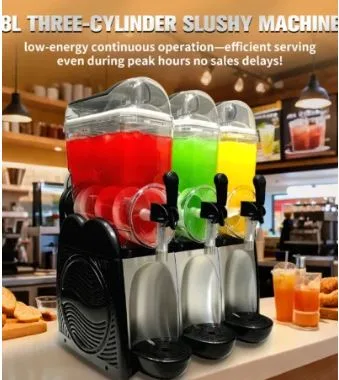
Beverage sales have quietly become one of the most profitable revenue streams in the restaurant industry. With food costs rising and margins tightening, savvy restaurant owners are turning to their drink menus as a powerful differentiator — and frozen beverages are leading the charge. Customers today expect more than a glass of water or a standard soda; they want memorable, Instagram-worthy drinks that enhance their dining experience.
Commercial slushy machines offer exactly that opportunity. These versatile units let restaurants serve high-margin frozen drinks consistently, quickly, and at scale — whether it’s a tropical margarita at a casual dining spot or a fruity slush for the kids’ menu at a family restaurant. Beyond the novelty factor, slushy machines address real operational challenges: speed of service during peak hours, menu variety, and cost-per-serving efficiency.
This article explores everything restaurant owners need to know about commercial slushy machines — from understanding current market trends and core benefits, to choosing the right model, integrating it with existing equipment, and executing a strategy that maximizes return on investment. If you’re looking for a practical, proven way to grow beverage revenue, this guide is your starting point.
The Rise of Slushy Machines in the Restaurant Industry
Frozen beverages have moved well beyond the convenience store counter. Over the past several years, restaurants across virtually every segment — from fast-casual chains to full-service dining rooms — have embraced slushy machines as a serious revenue tool. Consumer appetite for specialty drinks continues to grow, and frozen options occupy a particularly attractive niche: they feel indulgent, they photograph well, and they carry price points that customers accept without hesitation. For restaurant operators watching food costs climb, that combination is hard to ignore.
High-traffic environments benefit most visibly from this shift. A busy lunch rush or weekend dinner service can move dozens of frozen drinks per hour when the right equipment is in place, and the per-serving cost remains low enough to maintain strong margins throughout. Seasonal opportunities amplify this further — summer menus built around frozen lemonades, tropical slushes, and frozen cocktails can generate meaningful revenue spikes that carry through to annual profit totals. But smart operators don’t treat slushy machines as seasonal novelties; they build year-round programs anchored by warm-weather peaks and sustained by holiday specials and rotating limited-time offerings.
Market Trends and Consumer Preferences
Beverage sales now account for a growing share of restaurant revenue, with frozen drinks among the fastest-growing subcategories. Consumer research consistently shows that diners — particularly younger demographics — prioritize unique, customizable drink options when choosing where to eat. Slushy machines directly answer that preference by enabling restaurants to offer variety, visual appeal, and consistent quality at speed. As competition intensifies across the dining industry, frozen beverages have become a practical, data-backed strategy for differentiation.
Key Benefits of Investing in Commercial Slushy Machines
Few equipment investments deliver the combination of low operating cost and strong customer appeal that a commercial slushy machine brings to a restaurant. The math is straightforward: frozen beverages typically carry a food cost percentage well below 20%, while commanding premium price points that customers willingly pay. A single machine running during peak service hours can generate hundreds of dollars in daily beverage revenue, with margins that outperform most food items on the menu. For operators already managing tight food costs, that kind of return on a single piece of equipment is genuinely compelling.
Beyond the numbers, slushy machines expand what a restaurant can offer without adding significant complexity to kitchen operations. A family restaurant can introduce a kids’ frozen lemonade program alongside adult frozen cocktails, effectively broadening its appeal across age groups with minimal additional labor. The visual impact of a frozen drink being prepared or displayed in a transparent bowl machine also functions as passive marketing — customers see it, want it, and order it without any prompting from staff. That impulse-purchase dynamic is difficult to replicate with other menu items.
Menu diversification is another underrated advantage. Rotating seasonal flavors, limited-time offerings, and themed drinks tied to local events or holidays give restaurants a reason to keep customers engaged and coming back. A rotating slushy menu creates anticipation and social media moments that a static drink list simply cannot generate. Staff training requirements are also minimal compared to espresso programs or craft cocktail menus, which means new drink additions can be rolled out quickly without disrupting service.
Boosting Revenue and Customer Loyalty
Slushy machines create natural upsell opportunities that staff can leverage without aggressive selling tactics. When a frozen drink is visible and appealing, customers ask about it — and that curiosity converts easily. Customizable options, such as flavor combinations or add-ins like fruit pieces or flavored syrups, give customers a sense of ownership over their order, which strengthens satisfaction and drives repeat visits. Restaurants that build a signature frozen drink — something unique to their brand — often find it becomes a word-of-mouth draw that brings new customers in specifically to try it.
How to Choose the Best Slushy Machine for Your Restaurant
Selecting the right commercial slushy machine is one of those decisions that pays dividends long after the purchase — or creates ongoing headaches if done carelessly. The starting point is always your restaurant’s actual volume. A machine sized for a small café will bottleneck service at a high-traffic sports bar during game night, while an oversized unit in a low-volume environment wastes energy and counter space. Before evaluating any specific model, calculate your realistic peak-hour demand: how many drinks per hour do you expect to serve, and how many flavors do you want to offer simultaneously? Those two numbers immediately narrow your options.
Energy efficiency deserves more attention than most buyers give it. Commercial slushy machines run continuously, and the difference between an energy-efficient compressor and an outdated one shows up clearly on monthly utility bills. Look for units with programmable sleep modes or automatic temperature adjustment during slow periods — these features reduce operating costs without sacrificing drink quality when demand picks back up. Durability is equally non-negotiable. Restaurant environments are demanding, and a machine built with stainless steel components and a robust refrigeration system will outlast cheaper alternatives by years, ultimately delivering a lower total cost of ownership despite a higher upfront price.
Ease of cleaning is a practical factor that operators sometimes overlook until they’re deep into daily service. Machines with removable bowls and accessible internal components cut cleaning time significantly, which matters in a busy kitchen where every minute counts. Warranty coverage and local service availability should also factor into your decision — a machine that sits idle waiting for a replacement part costs far more than the repair itself.
Factors Like Capacity, Cost, and Reliability
Daily output capacity should match your busiest service periods, not your average ones. Single-bowl machines work well for restaurants testing the category, while two- or three-bowl units allow simultaneous flavor offerings that drive higher per-customer spend. Maintenance costs vary widely between brands, so research filter replacement schedules, lubrication requirements, and common failure points before committing. Established manufacturers with dedicated commercial support networks offer a meaningful reliability advantage — when a machine goes down mid-service, responsive technical support isn’t a luxury, it’s an operational necessity. Prioritize brands with proven track records in comparable restaurant environments.
Integrating Slushy Machines with Other Commercial Equipment
A slushy machine rarely operates in isolation — its real value emerges when it’s thoughtfully positioned within a broader equipment ecosystem. Restaurants that treat frozen beverage stations as integrated parts of their kitchen layout, rather than standalone additions, consistently see better workflow, reduced waste, and higher throughput during peak service. The key is identifying which existing pieces of equipment naturally complement a slushy machine and positioning them accordingly to minimize staff movement and maximize efficiency.
A commercial refrigerated prep table placed adjacent to your slushy station creates an immediate operational advantage. Staff can access pre-portioned garnishes, fruit add-ins, and flavored syrups without crossing the kitchen, which keeps drink assembly fast and consistent. Ice maker machines are equally important partners — many slushy machine recipes benefit from supplemental ice for blended variations, and having a reliable ice source within arm’s reach prevents service interruptions during high-demand periods. Brands like Smartool, known for their commercial ice maker equipment, are worth considering when building out a frozen beverage station that demands consistent, high-volume ice production. Ice cream machines open another dimension entirely, allowing restaurants to build a unified frozen dessert and beverage station that drives higher per-table spend with minimal additional footprint.
Space planning matters as much as equipment selection. Grouping frozen beverage and dessert equipment in a dedicated station reduces cross-traffic in the kitchen, keeps temperature-sensitive ingredients properly managed, and gives staff a clear, efficient workflow for handling multiple frozen drink orders simultaneously.
Synergies with Ice Cream Machines and Prep Tables
Co-locating ice cream machines with slushy units creates natural menu pairings — float variations, dessert drinks, and combo offerings — that increase average ticket size without complicating operations. A refrigerated prep table between these units keeps shared ingredients like syrups, toppings, and mix-ins organized and accessible, reducing preparation time per order. This consolidated station approach also simplifies inventory tracking, since all frozen beverage and dessert supplies occupy a single, clearly defined area that staff can monitor and restock efficiently throughout service.
Steps to Implement and Maximize Slushy Machine Sales
Getting a slushy machine onto your floor is the easy part — building a program around it that consistently drives revenue requires deliberate planning from day one. Start with proper installation: position the unit in a high-visibility area where customers can see it operating, whether that’s near the bar, at the front counter, or along a beverage station visible from the dining room. Visibility is a passive sales driver that costs nothing extra. Once installed, run the machine through a full calibration cycle before service to confirm consistency in texture and temperature across all bowls.
Menu integration comes next, and it’s where many operators leave money on the table. Limit your initial offering to three or four well-developed flavors rather than launching with too many options that dilute focus and complicate inventory. Price each drink to reflect its premium nature — customers expect to pay more for a specialty frozen beverage than a standard soda, and your pricing should reflect that value confidently. Build a maintenance schedule from the start: daily rinse cycles, weekly deep cleans, and monthly inspection of seals and drive components will extend equipment life and prevent service disruptions.
Staff training should cover both preparation consistency and suggestive selling. When servers know the flavor profiles and can describe them enthusiastically, conversion rates improve noticeably. Assign one team member per shift as the designated frozen beverage lead to maintain quality standards during busy periods.
From Setup to Promotion: A Practical Guide
Once your program is operational, promotion accelerates its impact. Photograph your signature drinks professionally and post them across social media platforms — visual content for frozen beverages performs exceptionally well on Instagram and TikTok, where color and texture drive engagement. Introduce a limited-time flavor monthly to create urgency and repeat visits. Bundle frozen drinks with menu items as a combo option to increase average ticket size without requiring staff to upsell aggressively. Track weekly sales data by flavor so you can retire underperformers quickly and double down on what’s working.
Turning Frozen Beverages Into a Lasting Revenue Stream
Commercial slushy machines have earned their place as a genuine revenue driver in modern restaurant operations — not as a gimmick, but as a practical, high-margin tool that addresses real business challenges. Throughout this guide, we’ve covered the market momentum behind frozen beverages, the financial and experiential benefits they deliver, the criteria that separate a smart equipment purchase from a costly mistake, and the operational strategies that turn a single machine into a sustained profit center.
The common thread running through each of these areas is intentionality. Restaurants that see the strongest returns don’t simply plug in a machine and hope for the best — they choose equipment matched to their volume, integrate it thoughtfully with existing kitchen infrastructure, build a focused menu around it, and promote it consistently. Those steps aren’t complicated, but they require commitment from ownership and staff alike.
If you’re a restaurant owner looking for a proven way to grow beverage revenue without dramatically increasing operational complexity, a commercial slushy machine deserves serious consideration. Start by assessing your peak-hour demand, identifying the right capacity for your space, and mapping out how a frozen beverage station fits within your current layout. The investment is manageable, the margins are strong, and the customer appeal is immediate. Take the first step today — your beverage menu, and your bottom line, will reflect it.