Commercial Solar Solutions to Reduce Business Energy Costs
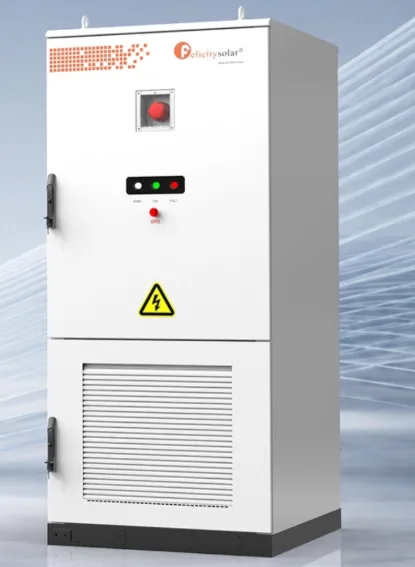
Managing electricity expenses has become an important priority for businesses across multiple industries. Rising energy demand, changing electricity tariffs, and the need for dependable power have encouraged organizations to consider alternative energy sources.
Commercial solar solutions provide businesses with an opportunity to generate electricity from sunlight and reduce their reliance on conventional grid power. When designed around actual energy consumption, these systems can support better cost management, operational efficiency, and long-term sustainability.
From small commercial premises to large industrial facilities, solar technology offers flexible options for businesses looking to improve their energy strategy.
Understanding Commercial Solar Solutions
Commercial solar solutions are customized energy systems designed for business properties and facilities. They commonly use photovoltaic panels to convert sunlight into electrical energy, while inverters transform the generated electricity into a form suitable for compatible electrical equipment.
Depending on operational needs, an installation may also include energy monitoring systems, battery storage, grid connections, and specialized electrical protection equipment.
The objective is not simply to install solar panels. It is to develop an energy system that matches the business’s electricity demand, available installation space, and financial priorities.
For example, a company operating primarily during daylight hours may benefit from using solar electricity as it is generated. A business that operates at night may require a different system design or battery storage to make solar energy more useful outside daylight hours.
How Commercial Solar Systems Generate Savings
The financial benefits of solar energy depend on how effectively a system meets a business’s electricity requirements.
Matching Solar Production With Energy Demand
Solar panels typically produce the most electricity during periods of strong sunlight. Businesses that consume significant electricity during these hours may be able to use a large proportion of the generated power directly.
This can reduce the amount of electricity purchased from the grid. The financial benefit depends on the applicable electricity tariff and any compensation available for exporting surplus energy.
Reducing Exposure to Electricity Price Changes
Generating electricity on-site can help businesses reduce their exposure to some grid electricity price increases. Although solar installations do not eliminate every energy expense, they may provide greater predictability for part of a company’s electricity costs.
Improving Energy Planning
Modern commercial solar systems can include monitoring tools that display energy generation, consumption, and system performance. This information helps managers identify usage patterns, evaluate efficiency, and make better-informed energy decisions.
Evaluating Return on Investment
Before investing, businesses should estimate the system’s installed cost, expected annual production, maintenance requirements, financing expenses, and potential electricity savings.
A simplified payback calculation is:
Payback period = Initial investment ÷ Annual net savings
For example, if a system costs $30,000 and generates estimated net annual savings of $6,000, its simple payback period would be five years. This is an illustrative calculation, not a guaranteed result; actual performance may differ because of tariffs, financing, maintenance, and energy production.
Important Components of Commercial Solar Solutions
A reliable commercial solar installation depends on several interconnected components.
Solar Panels
Solar panels capture sunlight and convert it into direct-current electricity. Their capacity, efficiency, durability, and warranty terms influence the system’s expected performance.
Solar Inverters
Inverters convert direct-current electricity into alternating-current electricity for compatible business equipment. Their selection depends on system size, electrical requirements, and installation design.
Battery Storage
Battery systems store electricity for use when solar production is insufficient. They may support evening consumption or backup applications when installed with compatible equipment.
Battery storage is not essential for every commercial solar installation. Its value depends on electricity tariffs, backup requirements, and the difference between energy production and consumption.
Monitoring and Protection Equipment
Monitoring systems help track energy production and identify performance issues. Electrical protection devices and appropriate installation practices are essential for safe and dependable operation.
Industries That Can Benefit From Commercial Solar Solutions
Hospitality and Hotels
Hotels consume electricity for air conditioning, lighting, kitchens, laundry facilities, and guest services. Solar energy can help offset a portion of this demand, depending on the building’s operating schedule.
Healthcare Facilities
Hospitals and clinics require electricity for lighting, ventilation, medical equipment, and other essential operations. Solar installations may reduce grid consumption, while critical backup requirements must be addressed through properly designed backup systems.
Educational Institutions
Schools, colleges, and universities often have substantial daytime electricity requirements. Rooftop solar can help meet part of this demand while supporting environmental education and sustainability objectives.
Agricultural and Food Processing Businesses
Agricultural facilities and food processing operations may use electricity for irrigation, refrigeration, ventilation, and processing equipment. Solar systems can be particularly relevant when energy consumption aligns with daylight hours.
Commercial Property Owners
Owners of offices, shopping centers, and other commercial buildings can evaluate solar installations as part of broader property improvement and operating-cost management strategies.
Challenges to Consider Before Installation
Although solar energy offers potential benefits, businesses should evaluate several practical considerations.
Initial investment: Equipment, installation, electrical upgrades, and other site-specific requirements can affect the total project cost.
Roof suitability: Roof condition, available space, shading, and structural capacity may determine whether a rooftop installation is feasible.
Weather conditions: Solar production changes with sunlight availability, seasonal conditions, dust, and shading.
Maintenance: Panels and other equipment require appropriate inspection and maintenance to sustain performance.
Regulatory requirements: Businesses must review applicable permits, electrical standards, grid-connection rules, and export arrangements before installation.
Backup requirements: Grid-connected solar alone does not necessarily provide electricity during a power outage. Backup functionality requires suitable equipment and system configuration.
Understanding these factors before purchasing helps organizations avoid unrealistic expectations and select a system that meets their actual needs.
Steps to Implement a Commercial Solar Project
A successful project begins with an analysis of historical electricity bills and consumption patterns. This establishes the business’s energy requirements and identifies opportunities for solar generation.
Next, a qualified provider assesses the site, available installation area, structural suitability, electrical infrastructure, and expected energy production. The business can then compare proposals, review equipment specifications, and evaluate financial projections.
Once the system design is approved, installation should be completed by qualified professionals in accordance with applicable standards and regulations. Commissioning and performance monitoring help confirm that the system operates as intended.
Regular maintenance and periodic performance reviews can support reliable operation throughout the system’s service life.
Conclusion
Commercial solar solutions can help businesses manage electricity costs, improve energy planning, and reduce dependence on grid electricity. Their value extends across manufacturing, hospitality, retail, healthcare, education, agriculture, and commercial property management.
However, a successful investment requires more than selecting solar panels. Businesses should assess energy consumption, compare system designs, understand installation requirements, and calculate potential financial returns using realistic assumptions.
With careful planning and professional implementation, commercial solar technology can become a valuable component of a company’s long-term energy management strategy.