Common Drain Problems Homeowners Face in South Sacramento
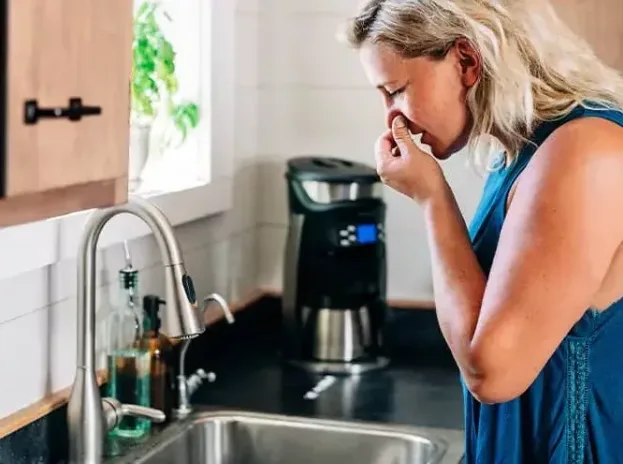
For most homeowners, the drains are something they’re only concerned with when there is a problem. Poor drainage in the sink, a standing pool of water in the shower or a foul odor from the kitchen drain may be an annoyance that’s progressing into a problem developing in the plumbing system. The early signs can be overlooked and a minor blockage can become a costly repair.
Plumbing problems are not uncommon in South Sacramento as a result of various factors, including an aging plumbing system, older trees, grease accumulation and the daily use of household drains. There are some clogs that will pass, but if the underlying cause is not treated, the clog will return. It’s important for homeowners to know about the most frequent drain issues so that they can determine when a solution is a quick remedy and when it’s time to get more in-depth.
Slow Drains Throughout the Home
A drainage issue is one of the initial indications that water doesn’t drain properly, and it could be the initial symptom that can be observed. If it is just one sink or shower that is clogged, then the blockage is probably near that appliance. Hair, soap film, food or small items often get trapped around the drain opening and hinder water flow.
But if multiple fixtures are starting to drip a bit at the same time, that’s when things warrant further scrutiny. If the kitchen sink, bathtub and bathroom sink are all clogged, it’s likely there’s a restriction further down the drainage system, not several clogs.
Some common warning signs include:
- Water drains slowly in more than one room.
- Toilets flush less efficiently than normal.
- Bubbling or gurgling sounds come from nearby drains.
- Water backs up into another fixture after using appliances.
These symptoms often suggest that wastewater isn’t moving freely through the plumbing system and should be addressed before a complete blockage develops.
Kitchen Sink Keeps Backing Up
More than any other drain, kitchen drains are under the gun. Small amounts of grease, cooking oil, food scraps and soap are flushed through the pipes when preparing each meal. Residue can also just accumulate on the inner wall of the drain over time, even if all the elements seem to have washed away.
This sticky layer will collect more debris over time, which will narrow the pipe and decrease the flow of water. People are often amazed to find out that even a garbage disposal can’t dispose of everything.
Items that commonly contribute to kitchen drain clogs include:
- Cooking grease and fats
- Coffee grounds
- Rice and pasta
- Eggshells
- Fibrous vegetables like celery
- Large food scraps
To reduce the risk of future clogs, allow grease to cool before disposing of it in the trash, scrape food into the garbage before washing dishes, and use a sink strainer to catch leftover particles.
Bathroom Drains That Clog Again and Again
There’s another type of buildup that happens in bathroom drains. Instead of grease and food, they pick up hair, soap scum, toothpaste, shaving-creams and mineral deposits. These individually are not that important, but they can make hard blockages when combined.
Often there are small hints that alert you to the possibility of recurring bathroom drain clogs. Water might begin to collect around your feet when you’re taking a shower, and the sink may drain slower after you brush your teeth. Although the symptoms typically grow more severe as time goes on, they do not improve on their own.
Fortunately, prevention is easy. Placing a hair catcher, regularly scrubbing drain covers and clearing away visible debris before it builds up can help to minimize future issues. It is easier to take care of a buildup of minor size than a clogged drain later.
Tree Roots Can Cause Hidden Sewer Line Problems
Many neighborhoods throughout South Sacramento feature mature trees that add beauty and shade to residential properties. While these trees are valuable, their root systems naturally search for moisture. Small cracks or loose joints in older sewer pipes can provide exactly the opening roots needed to enter the line.
Once inside, roots continue growing and create an obstacle that catches toilet paper, grease, and other waste flowing through the pipe. This often explains why some homeowners experience recurring drain problems even after clearing previous clogs.
Signs that tree roots may be affecting your sewer line include recurring backups, multiple slow drains, toilets that gurgle unexpectedly, and unpleasant sewer odors around the yard. Because these symptoms can resemble other plumbing issues, professional inspection is often the best way to determine the actual cause before deciding on repairs.
Bad Drain Odors Shouldn’t Be Ignored
A drain that smells unpleasant from time to time isn’t unusual, but persistent odors are a different story. If a sewer-like smell keeps returning even after you’ve cleaned the sink or shower drain, there’s likely an underlying issue that needs attention.
In many cases, the odor comes from organic matter trapped inside the drain, where bacteria begin to grow. In other situations, the smell may indicate a blocked plumbing vent, a dry P-trap, or buildup within the sewer line itself.
Instead of covering the smell with air fresheners or repeatedly pouring chemicals down the drain, try to identify when the odor appears. Does it get stronger after running water? Is it coming from one fixture or several? These clues can help determine whether the issue is isolated or part of a larger drainage problem.
Why Your Drain Keeps Clogging After You Already Cleared It
One of the most common frustrations homeowners face is dealing with the same clog over and over again. You clear the blockage, everything works for a while, and then the drain slows down again a few weeks later.
This usually happens because the original cause was never fully removed. A plunger or basic drain snake may create enough space for water to pass through, but grease, sludge, mineral deposits, or tree roots often remain inside the pipe. As new debris moves through the drain, it sticks to the remaining buildup and forms another blockage.
Recurring clogs are often a sign that the problem extends beyond the visible portion of the drain. Rather than repeatedly treating the symptoms, it’s more effective to determine why the blockage keeps returning in the first place.
Drain Cleaning Mistakes That Can Make the Problem Worse
Many homeowners unintentionally create bigger plumbing issues by following advice that seems helpful but doesn’t solve the underlying problem. This is especially true when outdoor drainage problems are overlooked, as delaying proper storm drain cleaning can lead to standing water, debris buildup, and drainage issues that affect both your property and nearby plumbing systems.
Some of the most common mistakes include:
- Pouring grease or cooking oil down the kitchen sink.
- Flushing wipes labeled as “flushable.”
- Relying on chemical drain cleaners every time a drain slows down.
- Ignoring small drainage problems until they become complete blockages.
- Using excessive force with a drain snake without knowing what’s causing the clog.
While DIY methods can work for minor blockages, repeated use of harsh chemicals or improper tools may damage pipes over time, especially in older plumbing systems.
Simple Ways to Prevent Future Drain Problems
The good news is that many common drain problems are preventable with a few simple habits. Regular maintenance doesn’t take much time, but it can help keep your plumbing system working efficiently throughout the year.
Consider these practical tips:
- Install drain strainers in kitchen and bathroom sinks.
- Dispose of grease in a sealed container instead of the drain.
- Only flush toilet paper and human waste.
- Clean hair and debris from shower drains regularly.
- Watch for slow drainage, gurgling sounds, or recurring odors instead of waiting for a complete blockage.
- Schedule periodic drain inspections if your home has older plumbing or large trees near the sewer line.
Preventive maintenance is almost always less expensive than repairing water damage or replacing damaged sewer pipes.
When It’s Time to Call a Professional
Not every clog requires professional service, but some situations shouldn’t be handled with repeated DIY attempts. If multiple drains are backing up, wastewater is appearing in other fixtures, or the same blockage keeps returning, a more thorough inspection is usually the best next step.
Professional plumbers use specialized equipment to identify the exact cause of the problem instead of simply treating the symptoms. Depending on the condition of the pipes, they may recommend drain cleaning, camera inspections, repairs, or a pipe jetting service South Sacramento homeowners can rely on to remove heavy grease, sludge, and stubborn buildup from the inside of sewer lines.
Addressing the actual cause of the blockage helps reduce the likelihood of recurring problems and can extend the life of your plumbing system.
Conclusion
Problems with the drain are seldom just a result of good fortune. They usually start with minor leaks such as slow drains, foul odors and/or backup dripage and then escalate into something more serious. By paying attention to these things at a young age, the homeowners will be able to correct the problem before it turns into costly emergencies.
Knowing what your drains are communicating can save a lot of money and time, whether it is a buildup of grease, hair, tree roots or even an aging sewer line. Proper maintenance practices, prompt response and periodic or maintenance inspections will help keep your plumbing system in excellent condition.
The key to preventing future drain problems is to remain proactive for South Sacramento homeowners. Addressing common issues early and applying the appropriate solution can help prevent your drains from becoming clogged and avoid any unnecessary disruptions with your home.