Common Reasons Businesses File Chapter 11 Bankruptcy in Irvine, CA
Running a business in Irvine can feel rewarding, but it also comes with real financial pressure. Rent, payroll, vendor payments, and loan obligations can add up quickly. Sometimes, even stable companies find themselves struggling to keep up with growing debt or falling revenue. In these situations, business owners may begin exploring options with Irvine, CA, Chapter 11 bankruptcy attorneys to understand whether restructuring could help protect their company while they work toward financial stability.
Revenue Drops While Expenses Stay High
One of the most common reasons businesses file Chapter 11 is a drop in revenue. A company may lose important clients, face weaker demand, or struggle with changing market trends. Sales may slow down, but most business expenses do not slow down with them.
A company still has to pay rent, employee wages, insurance, utilities, taxes, and supplier costs. In Irvine, where operating costs can be high, even a short period of weak income can create serious pressure. A business may still have value and still have customers, but the money coming in may no longer be enough to support the money going out.
That gap is often where the problem begins.
Business Debt Keeps Growing
Many businesses take on debt for normal reasons. They may borrow money to expand, buy equipment, open another location, hire staff, or keep operations running during a slow period. At first, that may look manageable.
Then payments start stacking up. Loan payments, credit lines, equipment financing, and vendor balances can become harder to manage month after month. A business owner may spend more time trying to cover debt than focusing on growth.
Chapter 11 is often considered at this stage because the business may still be worth saving. The issue is not always that the company has no future. The issue is that its current debt structure has become too heavy.
Cash Flow Problems Start Hurting Operations
Some businesses are not failing because they have no revenue. They are failing because cash is not available at the right time.
That is what makes cash flow problems so dangerous. A business may be waiting on unpaid invoices or dealing with seasonal slowdowns, while payroll, rent, and other bills remain due on schedule. Even businesses that look healthy on paper can struggle if short-term cash is tight.
This kind of pressure can affect everything. Payments get delayed. Vendors become stricter. Staff may feel uncertain. Owners may begin shifting money around just to get through each month. Once that cycle starts, it becomes harder to regain control without some kind of structured relief.
Legal Disputes Create Financial Strain
Lawsuits and other legal disputes can also push a business toward Chapter 11. A company may be dealing with a contract issue, a lease dispute, an employment claim, a partnership disagreement, or another large financial liability. Even before the case ends, legal costs alone can drain business resources.
If the company is already under financial stress, a major legal issue can make the situation much worse. It can interrupt planning, damage cash flow, and add new debt at the worst possible time.
In these cases, Chapter 11 may become part of the discussion because it provides a legal framework for restructuring debts while the business continues operating.
Economic Changes Can Hurt Good Businesses
Not every Chapter 11 case comes from poor decisions. Sometimes the outside business environment changes faster than a company can adapt.
Inflation, supply chain disruptions, labor shortages, rising interest rates, or changing customer behavior can all affect how a business performs. A company that was stable a year ago may suddenly be dealing with higher expenses and lower demand.
This can happen to retail businesses, service companies, restaurants, real estate operations, and many others. In a competitive place like Irvine, businesses often operate with little room for error. When outside pressures build up, even a well-run company can end up needing legal restructuring options.
Chapter 11 Can Help Businesses Reorganize
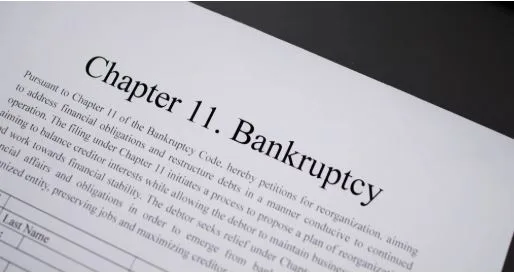
A lot of people hear the word “bankruptcy” and think it means closing the business for good. Chapter 11 is different. In many cases, it is used by businesses that want to stay open while reorganizing their financial obligations.
That may include adjusting payment terms, dealing with creditor pressure, and creating a court-approved plan that matches the company’s real financial condition. Instead of shutting down immediately, the business gets a chance to work through its debt in a more structured way.
Because the process is detailed and legal rules matter, many owners speak with Irvine, CA, Chapter 11 bankruptcy attorneys to better understand what Chapter 11 may involve, what responsibilities they have, and whether the process fits their situation.
Why Timing Matters
One important point is that businesses often wait too long before getting help. Owners may hope things will improve next month or after one more big contract. That hope is understandable, but delay can make the situation harder to fix.
The longer the debt grows, the fewer options may remain. Chapter 11 tends to work best when the business still has something strong to preserve, whether that is customer demand, a working team, valuable contracts, or steady operations that need restructuring rather than closure.
Closing Thoughts
Financial setbacks can affect businesses of all sizes, even those that once seemed secure. Declining revenue, rising debt, legal disputes, or sudden economic changes can quickly create serious pressure. Chapter 11 bankruptcy offers a way for some businesses to reorganize their finances rather than shut their doors completely. Understanding why companies consider Chapter 11 and how the process works can help business owners in Irvine make thoughtful decisions about protecting their operations and planning the next stage of their company’s future.