Common Welding Machine Problems and How to Fix Them in Pakistan
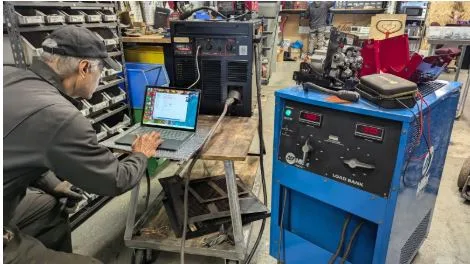
Welding machines are essential tools in workshops, construction sites, fabrication units, automobile repair shops, and many other industries in Pakistan. When a welding machine is working properly, it allows welders to create strong and reliable joints with less effort. However, like any electrical equipment, welding machines can develop problems over time.
Some issues are simple to troubleshoot, while others require the attention of a qualified technician. Understanding the most common welding machine problems can help operators identify faults early, avoid unnecessary downtime, and determine when professional assistance is needed.
- Welding Machine Does Not Turn On
One of the most common problems is a machine that does not power on at all. This can happen for several reasons, including a damaged power cable, a loose electrical connection, a blown fuse, or a problem with the power supply.
Before assuming that the machine itself has failed, check whether the power source is working correctly. Inspect the power cable and plug for visible damage and make sure all connections are secure.
If the power supply is fine but the machine still does not turn on, the problem may be inside the machine. Components such as switches, fuses, circuit boards, or other electrical parts may need to be inspected by a professional.
- Welding Machine Produces No Arc
Another frequent issue is when the machine turns on but fails to produce a welding arc. This can be frustrating because the equipment may appear to be functioning normally.
Start by checking the electrode, welding leads, work clamp, and their connections. A loose or damaged cable can prevent the current from reaching the welding point properly. For machines using electrodes, make sure the electrode is suitable for the material and welding process.
Incorrect machine settings can also cause problems. Check the current and other settings according to the type and thickness of the material being welded.
If these basic checks do not solve the problem, there could be an internal electrical fault. In that situation, opening the machine without the required technical knowledge can be dangerous and may cause additional damage.
- Unstable Welding Arc
An unstable arc can result in poor weld quality, excessive spatter, and difficulty controlling the welding process. Several factors can contribute to this problem.
First, check the welding current and make sure it is appropriate for the electrode and material. A poor connection between the work clamp and the workpiece can also affect arc stability.
Dirty or rusty metal may create additional problems. Cleaning the welding surface before starting can help create a more consistent arc.
Damaged welding cables, loose connections, or worn components can also be responsible. If the problem continues even after checking the basic setup, professional inspection may be necessary.
- Welding Machine Overheats
Welding machines can become warm during normal operation, particularly during demanding jobs. However, excessive overheating should not be ignored.
Blocked ventilation is one possible cause. Dust and debris can accumulate around air vents and prevent the cooling system from working properly. Keeping the machine clean and ensuring that ventilation openings are not blocked can help maintain proper airflow.
Overloading the machine for long periods can also cause overheating. Every welding machine has operating limits, so users should follow the manufacturer’s recommended duty cycle.
If the machine continues to overheat during normal use, there may be a problem with its cooling system or an internal electrical component. Continuing to operate an overheating machine can lead to more serious damage.
- Welding Current Is Too Low or Inconsistent
Sometimes a welding machine operates but does not provide the expected welding current. The result may be weak welds, difficulty maintaining an arc, or inconsistent welding performance.
Begin by checking the machine settings and welding cables. Loose connections, damaged leads, or a poor work clamp connection can affect current delivery.
The power supply should also be checked, particularly when the machine is being used with a long extension cable or an unsuitable electrical connection.
If the problem is not caused by the external connections or settings, the machine may have an internal fault. Professional testing can help identify the damaged component.
- Circuit Breaker Keeps Tripping
If the circuit breaker trips whenever the welding machine is switched on or used, there may be an electrical problem that needs attention.
The first step is to make sure the machine is connected to a suitable power supply. Using equipment with a circuit that cannot safely handle its electrical requirements can cause the breaker to trip.
A damaged cable, short circuit, faulty component, or internal electrical problem can also cause repeated tripping.
Users should avoid repeatedly resetting the breaker and continuing to operate the machine. If the problem happens consistently, disconnect the machine and have it checked by a qualified technician.
- Excessive Welding Spatter
Excessive spatter can make welding more difficult and leave a poor-looking finish. It can also increase the amount of time required for cleaning after welding.
Incorrect current settings are one possible cause. The selected welding process, electrode, material, and settings should be compatible with each other.
Poor technique, contaminated metal, an unsuitable electrode, or incorrect polarity can also contribute to excessive spatter.
Cleaning the workpiece and checking the machine settings are good first steps. If the equipment itself appears to be malfunctioning, however, the machine should be inspected.
- Unusual Noise or Burning Smell
Unusual sounds, smoke, or a burning smell should never be ignored. These signs may indicate an overheating component, damaged wiring, a failed electrical part, or another internal problem.
Turn off the machine and disconnect it from the power source if it is safe to do so. Do not continue welding simply because the machine is still operating.
Internal electrical components can be dangerous to inspect without proper training. A qualified repair technician should diagnose the problem before the machine is used again.
- Welding Machine Stops During Operation
A machine that suddenly stops while welding can interrupt work and reduce productivity. This may happen because of overheating, an electrical fault, an overloaded circuit, or a protection system activating.
Allowing the machine to cool down may resolve the issue if overheating is the cause. Users should also check whether the machine has exceeded its recommended duty cycle.
If the machine repeatedly shuts down even when operating within normal limits, there may be a deeper fault. Repeated shutdowns should be investigated rather than ignored.
When Should You Get Professional Welding Machine Repair?
Basic troubleshooting can solve some welding machine problems, but not every fault should be repaired by the operator. Electrical components inside welding equipment can carry dangerous voltages, even when the machine is not actively welding.
Professional assistance is recommended when a machine has internal electrical faults, repeated overheating, circuit-board problems, damaged components, persistent arc issues, or other problems that cannot be resolved through basic checks.
For workshops and businesses that depend on their equipment every day, using a reliable welding machines repairing service in pakistan can help identify faults correctly and restore the machine to safe working condition.
Professional repair can also be more economical than immediately replacing an expensive machine, particularly when the underlying problem is limited to a specific component.
How to Prevent Welding Machine Problems
Regular maintenance can reduce the likelihood of unexpected breakdowns. Keep the machine clean and make sure its ventilation openings remain free from dust and debris. Inspect welding cables, plugs, connectors, and the work clamp regularly for signs of damage.
Avoid exceeding the machine’s recommended duty cycle and use the correct electrical supply. Store the equipment in a clean and dry environment when it is not being used.
It is also useful to address small problems as soon as they appear. A loose connection or unusual noise may seem minor, but ignoring it could eventually result in more expensive repairs.
Final Thoughts
Welding machine problems can range from simple connection issues to serious internal electrical faults. Checking the power supply, cables, connections, settings, ventilation, and duty cycle can help operators resolve some common issues safely.
However, internal faults should be handled by qualified professionals. Continuing to operate damaged or overheating equipment can make the problem worse and may create safety risks.
With proper maintenance, careful operation, and timely repairs, a welding machine can provide reliable performance for many years and help workshops avoid unnecessary downtime and replacement costs.