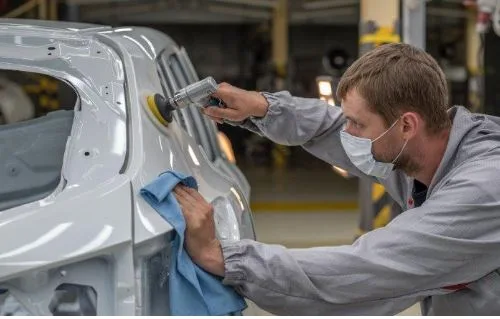
Complete Hail Dent Repair Services After Severe Storms
Severe storms bring myriad dangers, but for vehicle owners, hail damage ranks among the most frustrating. Hailstones—formed during strong updrafts in thunderstorms—can vary from pea-sized pellets to golf-ball-sized projectiles, inflicting substantial wear on your vehicle’s exterior. The need for professional hail dent repair becomes urgent after such weather events, as even minor car hail dents can compromise the integrity, appearance, and resale value of your vehicle.
When a storm hits, the rapid temperature changes in thunderclouds cause supercooled water droplets to freeze onto dust particles, forming hailstones. As hailstones tumble in the updraft, they grow until gravity overcomes the storm’s force, sending them plunging toward the ground. The resulting hail damage is often widespread and indiscriminate, affecting everything from car hoods to roof panels and plastic bumpers. For many vehicle owners, reliable auto dent solutions such as paintless dent repair (PDR), dent removal tools, or even a comprehensive PDR kit from trusted providers like Anderson’s Garage or Legacy Dent Co., become essential parts of the recovery process. DentWerx delivers precision craftsmanship and reliable solutions for professional dent repair and restoration services.
The Science Behind Hail Dent Formation
To understand why hail dent repair is so critical, it helps to examine how hailstones physically damage car bodies. Most modern vehicles feature body panels constructed from sheet metal or composite plastics. When hailstones strike, the force of impact causes instantaneous deformation—creating dents and dings on rooflines, hoods, and trunks. The resulting car panel dents can be shallow or deep, depending on the size and velocity of hailstones.
In cases of severe car hail damage, the metal’s molecular structure is stretched, potentially leading to metal bulge or long-term weakness if not addressed. Paintless dent removal is especially effective here. The PDR process gently massages the affected area back to its factory shape using specialized PDR tools, such as dent lifters, glue pulling tabs, and hammer and dolly sets. This method ensures that factory paint and paint protection coatings remain intact, helping to avoid costly repainting and preserve your car’s original finish.
Common Types of Hail Damage: Dents, Cracks, and Paint Issues
Storms can inflict a wide range of damage, so recognizing different issues is crucial to successful car body repair:
Dents and Dings
These are the most common form of car hail dents and can vary in size. Small, shallow dings often respond well to diy dent repair using a PDR kit or a dent removal kit from brands like VEVOR or Amazon. For deeper indentations or creased dents, professional auto body repair may be necessary. Tools such as dent pullers, crossbar dent repair kits, or glue pulling tabs are frequently employed to tackle these challenges.
Cracks and Paint Damage
While paintless dent repair is ideal for avoiding paint damage, sometimes the impact from hailstones can create fractures or chips in the car’s paint. This exposes the underlying metal, risking corrosion if not treated promptly. In addition to dent repair, spot repair techniques or even full panel repaints may be required to address more severe cases.
Minor Scratches
Flying hail can also leave minor scratches or abrasions on bodywork. While less severe than full dents, these imperfections can still detract from a car’s aesthetic and resale value. Many automotive repair professionals advocate quick fix dents with budget-friendly repair options, often utilizing dent eraser devices or touch-up paint pens for surface-level marks.
Assessing the Severity of Hail Damage After a Storm
Thorough damage assessment is a fundamental step before initiating the repair process. It’s essential for car owners, auto repair professionals, and insurance adjusters to document the full extent of car hail damage to accurately estimate repair costs and determine repair strategies.
Step-by-Step Damage Assessment
- Conduct a Visual Inspection: Park your car in direct sunlight or under bright LED lights to identify dents and dings from different angles.
- Use a Reflective Board or Line Board: Auto restoration specialists often use these tools to highlight subtle irregularities on the surface during vehicle repair.
- Check for Paint Damage: Look for chips, cracks, or paint cracking, as these indicate more involved repairs beyond standard PDR.
- Evaluate Plastic Bumpers and Panels: Some car models, such as the Tesla Model 3, feature composite panels that require unique repair methods.
DIY car fix enthusiasts often rely on dent update videos, like those found on YouTube channels such as Real World PDR Training, ChrisFix, and Samcrac, to guide them through the damage assessment and repair process. The best dent repair kit demonstrations commonly show before and after results, reinforcing the effectiveness of car repair tools and specific techniques.
Getting a Shop Repair Quote and Insurance Assessment
For significant or widespread vehicle maintenance needs, seeking quotes from established body shops like Anderson’s Garage or Elevation Dent Co. is advisable. These repair summaries play a vital role in supporting your car insurance claim. Documentation is critical—most insurance providers require a comprehensive estimate with photos and real world results before authorizing hail dent repair.
Why Timely Hail Dent Repair Is Crucial
Addressing hail damage swiftly is about more than aesthetics; it directly impacts car maintenance, car value, and long-term vehicle health.
Protecting Car Resell Value and Factory Paint
Delaying dent removal can lead to a decline in car resell value—even seemingly minor car panel dents mark a vehicle as “damaged” in the eyes of potential buyers. Paintless dent removal provides a paintless process that preserves factory paint, making it a preferred method for both car enthusiasts and dealerships looking to maintain top-tier inventory.
Preventing Rust, Corrosion, and Further Deterioration
Hail-induced dents and cracks can expose bare metal, rapidly increasing the risk of rust and corrosion—especially in humid climates. Auto body repair specialists stress that even small untreated dings can result in structural weaknesses and long-term metal repair issues. For car owners, following car owner tips from industry experts—like Learn PDR Online, Derrick Aquino, or Facebook groups focusing on car maintenance—is essential to prevent escalating damage.
Saving Money on Repairs
Acting quickly to implement cheap dent repair options—like using a dent puller kit, paintless dent removal tools, or an Amazon dent repair kit—can minimize more involved (and expensive) auto repair down the line. Glue pull methods, which rely on hot glue gun technology and glue tabs for pulling dents, have made DIY dent repair more accessible and budget-friendly than ever.
Reducing Disruption and Maintaining Automotive Safety
Unrepaired hail damage impacts not only appearance but also car bodywork integrity. Dents and dings in strategic areas (such as the hood or door seams) can affect the closing and locking of panels, potentially undermining the safety of your vehicle. The use of correct PDR tools, steps for safe glue pulling, and adherence to repair safety protocols are all vital to maintaining automotive repair standards and vehicle safety.
The Evolving Landscape of Hail Dent Repair Services
From traditional hammer and dolly techniques perfected in the body shop to the modern paintless process using Magic Dent Eraser Machine, PDR Glue, and Ding Removal Tools, the industry has seen significant innovation. Expert-driven resources, such as CashedOutCars on YouTube or PDR training programs from Excel Dent Removal, arm both professionals and beginners with the skills to deliver high-quality, lasting results.
As severe storms become more frequent, having quick access to effective auto dent solutions and dent tools is now a necessity for the modern car owner. By prioritizing prompt, expert-driven hail dent repair—whether through trusted body shops, mobile services, or high-quality DIY auto repair kits from Amazon or Harbor Freight—drivers can maintain their car’s appearance, value, and safety, no matter what the weather brings.
Overview of Hail Dent Repair Methods
When faced with car hail damage, vehicle owners have a range of hail dent repair methods to consider. The most effective approach is determined by the severity, size, and location of the dents and dings, the vehicle’s age, the importance of maintaining factory paint, and, of course, budget constraints. Modern car dent repair options focus heavily on retaining original finishes while minimizing repair costs and time out of service.
Paintless dent repair (PDR) stands out for minor to moderate hail damage, utilizing specialized dent removal tools like a dent lifter or glue tabs to restore car bodywork without repainting. For deeper or sharper dents and cases involving paint damage or creased car panel dents, conventional methods—often requiring filler, primer, and repainted panels—are necessary. With the emergence of dent repair kits and affordable PDR kits available from Amazon, VEVOR, Harbor Freight, and other suppliers, diy dent repair has also gained popularity among car owners seeking a cheap dent repair solution.
Industry influencers such as CashedOutCars, Real World PDR Training, and Excel Dent Removal have further raised public awareness through YouTube, Facebook, and Instagram, showcasing real world results with DIY and professional repair methods. Selecting the right technique requires proper damage assessment, understanding each repair process, and being mindful of repair safety and paint protection.