Concept Facades: Transforming Building Exteriors with Innovative Designs
In modern architecture, the exterior of a building is more than just a protective barrier—it is a statement of style, functionality, and innovation. Concept Facades have emerged as a revolutionary approach to designing building exteriors, combining aesthetics, durability, and energy efficiency. From commercial complexes to residential projects, facades are increasingly recognized as an essential element in enhancing a structure’s overall appeal and performance.
This article explores the role of Concept Facades in contemporary architecture, their benefits, the types of facade systems available, and why choosing professional facade experts is vital for delivering long-lasting and visually striking buildings.
What Are Concept Facades?
A facade is the exterior face of a building, often regarded as its “identity.” It is the first element that people notice and is critical in defining the building’s character. Concept Facades refer to facade systems that are designed with a combination of creative architectural concepts, advanced materials, and innovative installation techniques.
Unlike traditional facades, which mainly focus on structural protection, concept facades prioritize design flexibility, sustainability, and performance. They integrate modern materials like aluminum composite panels, glass, terracotta, metal cladding, and high-performance coatings to deliver a distinctive and functional exterior.
Architects and developers increasingly use Concept Facades to create buildings that stand out while meeting energy efficiency standards and environmental regulations.
Importance of Concept Facades
Concept facades play a crucial role in modern construction projects. Beyond aesthetics, they contribute to the functionality, safety, and efficiency of a building.
1. Enhancing Aesthetic Appeal
A well-designed facade defines the character and visual identity of a building. Concept facades provide architects with creative freedom to experiment with shapes, textures, colors, and materials. Whether for sleek corporate offices, retail complexes, or contemporary residential properties, facades can create a lasting impression.
2. Improving Energy Efficiency
Many concept facade systems integrate insulation and shading elements that help regulate indoor temperatures. By reducing heat loss in winter and minimizing heat gain in summer, concept facades can significantly enhance energy efficiency, lowering heating and cooling costs.
3. Protecting the Building Structure
A facade acts as a shield, protecting the internal structure from environmental damage, such as rain, UV radiation, and wind. High-quality concept facades ensure long-term durability by resisting weathering and corrosion.
4. Supporting Sustainability Goals
Modern facades often incorporate eco-friendly materials and energy-efficient technologies. Concept facades can include ventilated cladding systems, solar shading panels, and sustainable composite materials that contribute to a building’s overall environmental performance.
Types of Concept Facades
There are several types of facade systems used in contemporary architecture. The choice of facade depends on the design vision, functional requirements, and environmental considerations.
1. Glass Facades
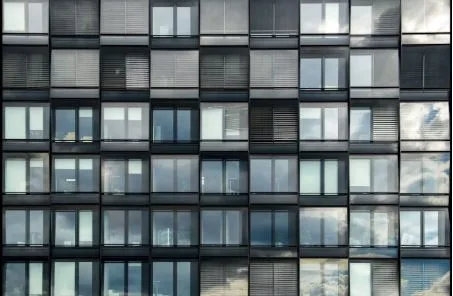
Glass facades are popular in commercial buildings and high-rise towers due to their transparency, elegance, and modern appeal. They allow natural light to enter the building while providing insulation and soundproofing. Double-glazed or low-emissivity glass can enhance energy efficiency and maintain indoor comfort.
2. Metal and Aluminum Composite Panels
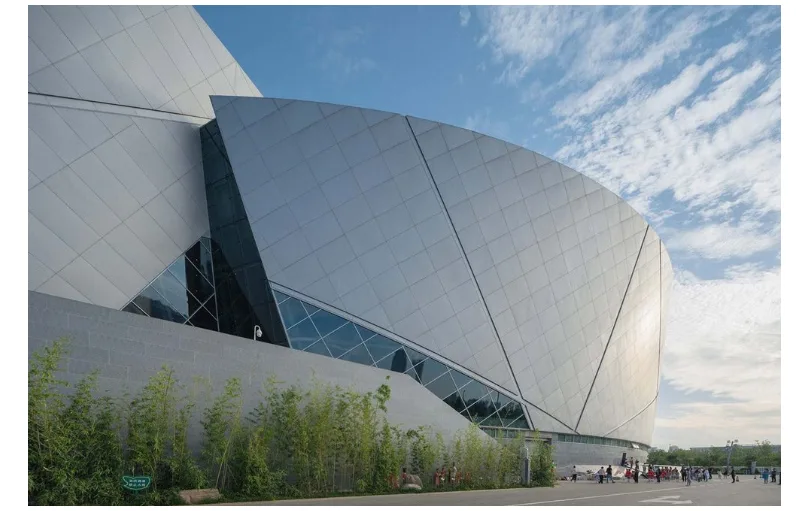
Metal facades, particularly aluminum composite panels (ACPs), offer durability, lightweight construction, and design versatility. These panels can be used to create sleek, geometric designs and are often used in office buildings, shopping centers, and industrial projects.
3. Terracotta and Ceramic Facades
Terracotta facades combine aesthetics with natural durability. They provide excellent thermal insulation and can be customized in terms of color, texture, and pattern. Ceramic facades are also fire-resistant and low-maintenance, making them ideal for both residential and commercial applications.
4. Ventilated Facade Systems
Ventilated facades are designed to create a layer of air between the cladding and the building wall. This ventilation helps regulate temperature, reduces condensation, and improves energy efficiency. Ventilated systems can incorporate various materials, including metal, glass, and composite panels.
5. Green Facades
Green facades integrate plants or vertical gardens into the building exterior. They provide aesthetic value, improve air quality, and reduce urban heat. Green facades are increasingly popular in sustainable architecture and eco-friendly urban developments.
Benefits of Using Concept Facades
Concept facades offer numerous advantages that make them a preferred choice for modern construction projects.
Customization and Design Flexibility
One of the biggest advantages of concept facades is the flexibility they offer in design. Architects can create unique shapes, textures, and color schemes to reflect the building’s identity.
Long-Term Durability
High-quality materials and professional installation ensure that concept facades are durable, weather-resistant, and low-maintenance. This extends the lifespan of the building exterior.
Energy Efficiency and Sustainability
Concept facades improve thermal performance, reduce energy consumption, and can integrate eco-friendly materials, supporting sustainability goals for modern buildings.
Noise Reduction
Certain facade systems, such as glass and ventilated panels, can reduce external noise, enhancing the comfort of occupants, especially in busy urban areas.
Added Property Value
A striking facade can increase a building’s market value by enhancing its aesthetic appeal and improving energy efficiency, making it attractive to buyers and tenants.
Why Choose Professional Facade Installers
Proper installation is crucial for maximizing the benefits of concept facades. Professional facade installers bring expertise, precision, and experience to ensure that the design vision is executed correctly.
Key reasons to hire professional installers include:
- Expert Knowledge:
Professionals understand different facade materials and installation techniques.
- Safety Compliance:
Façade installation often involves working at heights and handling heavy panels. Experts follow strict safety protocols.
- Precision Installation:
Accurate alignment and secure fastening prevent structural issues and reduce long-term maintenance costs.
- Maintenance and Support:
Professional installers often provide post-installation support, inspections, and repairs.
Hiring experienced installers ensures that concept facades not only look great but also function efficiently for years.
Conclusion
Concept Facades are redefining how buildings are designed and perceived. By combining aesthetics, functionality, and sustainability, modern facades enhance the visual appeal, energy efficiency, and durability of structures. From glass and metal panels to terracotta and green walls, the variety of facade options allows architects and developers to create unique and functional exteriors.