Connected Vehicles That Leverage a 5G Router for Enhanced Performance
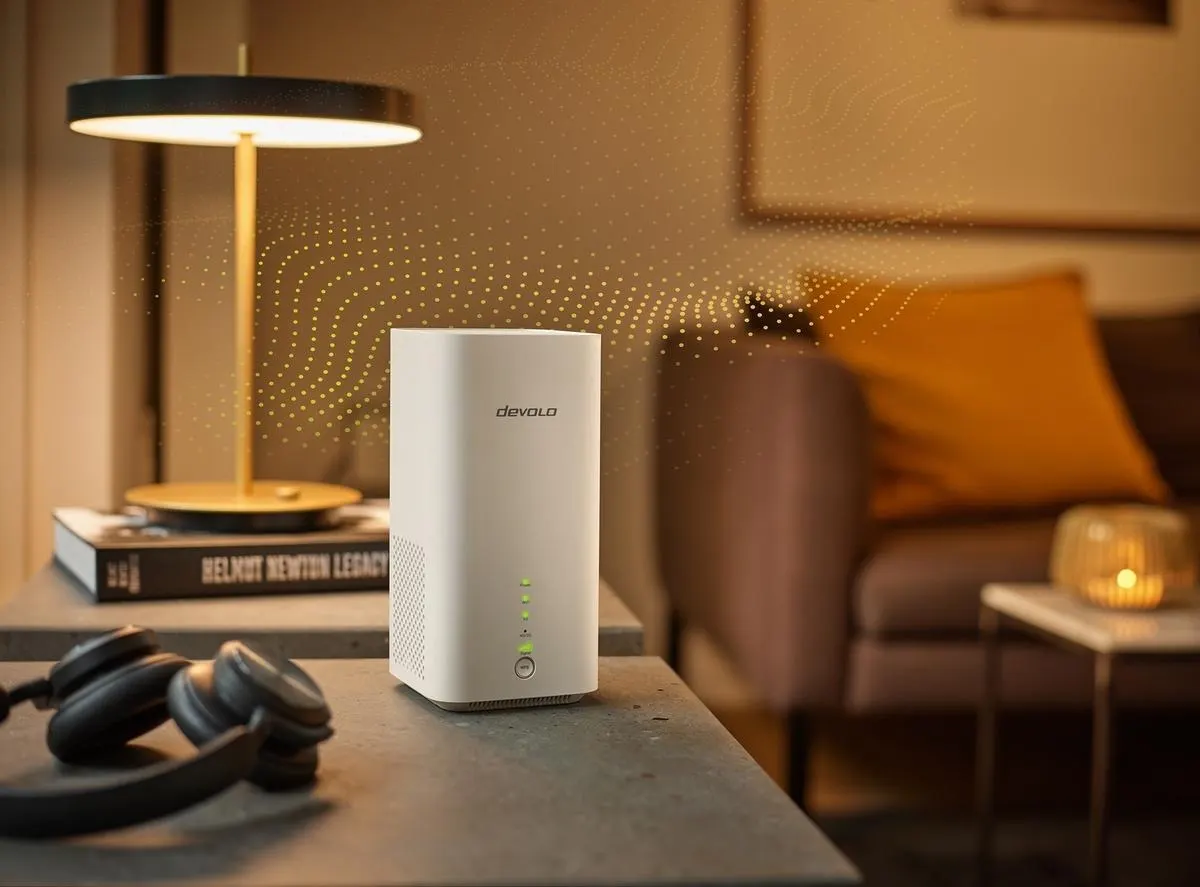
The integration of 5G technology into the automotive industry is revolutionizing how connected vehicles operate and perform. The capability of 5G networks to provide ultra-fast data transmission and low latency makes them ideal for enhancing the functionality of modern vehicles equipped with advanced systems like Telematics Control Unit (TCU) and Vehicle-to-Everything (V2X) Communication. This article will explore how connected vehicles utilize a 5G Router for improved performance, focusing on connectivity, data processing, and the challenges faced by manufacturers and users. Understanding these aspects will provide insights into the transformative potential of 5G in the automotive sector.
Connected Vehicles and 5G Technology Integration
The integration of 5G technology into connected vehicles significantly enhances their ability to communicate with external systems. This integration is crucial for the deployment of Advanced Driver-Assistance Systems (ADAS), which rely on real-time data from external sources to function effectively. The ability of 5G networks to support high-speed data transfer facilitates seamless communication between vehicles and infrastructure, improving safety and efficiency on the road.
Furthermore, Electronic Stability Control (ESC) systems benefit from 5G technology by receiving instantaneous updates about road conditions and vehicle dynamics. This allows for faster and more accurate adjustments to vehicle stabilization mechanisms, enhancing overall driving safety. The adoption of 5G connectivity in automobiles is a fundamental step towards achieving more reliable and responsive vehicle systems.
5G also supports the development of Fuel Cell Electric Vehicles (FCEV), which require robust data exchange systems for efficient energy management. As these vehicles become more prevalent, the need for advanced connectivity solutions like 5G will continue to grow, driving innovation in vehicle design and functionality.
Enhanced Connectivity Through 5G Routers in Automotive Systems
One of the primary benefits of using a 5G Router in connected vehicles is the enhanced connectivity it provides to automotive systems. With high-speed internet access, features like Smart Key Technology and Adaptive Cruise Control (ACC) can operate more efficiently. The rapid exchange of data ensures that these systems can make real-time decisions, improving the overall driving experience.
Moreover, 5G Routers facilitate improved Vehicle Dynamics Control (VDC). By processing data instantaneously, these routers enable vehicles to adapt dynamically to changing driving conditions, ensuring stability and control. The use of a 5G Router allows vehicles to access high-speed internet for streaming navigation data and traffic updates, which is crucial for systems like Autonomous Navigation Algorithms that require continuous information flow.
Statistics indicate that vehicles equipped with 5G connectivity can reduce processing time in vehicle systems by up to 40% in their first year of deployment (Source: McKinsey Global Institute, 2024). This significant reduction in latency can lead to more efficient vehicle operations and enhanced driver satisfaction.
Real-Time Data Processing and Its Impact on Vehicle Performance
Real-time data processing is a critical component of connected vehicle performance, particularly for systems like On-Board Diagnostics II (OBD-II) and Collision Avoidance Sensors. The rapid transmission of diagnostic data allows for immediate alerts and response actions, minimizing the risk of component failures and enhancing vehicle safety.
Furthermore, Torque Vectoring Differential systems, which manage power distribution to the wheels, benefit from real-time data processing to optimize traction and handling. This results in improved vehicle stability and performance, especially in challenging driving conditions. The ability to process large volumes of data quickly is essential for these systems to function effectively.
Additionally, the role of Multi-Function Display (MFD) in providing drivers with up-to-date information is enhanced by 5G technology. The seamless integration of data from various vehicle systems into a single display allows drivers to monitor performance metrics and make informed decisions while on the road.
Challenges and Considerations for 5G-Enabled Connected Vehicles
Despite the advantages of 5G-enabled vehicles, there are challenges that manufacturers and consumers must consider. One significant challenge is the need for a robust Battery Management System (BMS) to handle the increased power demands of continuous data processing and connectivity.
Furthermore, the deployment of 5G infrastructure across regions can vary, affecting the consistency of connectivity for vehicles relying on these networks. Manufacturers must consider these geographical disparities when designing and marketing connected vehicles.
Security concerns also arise as vehicles become more connected. Ensuring that communication channels are secure and protected from cyber threats is paramount for maintaining the integrity and safety of connected vehicle systems. Manufacturers must invest in advanced security solutions to safeguard vehicle data and communication.
Conclusion
The integration of 5G technology into connected vehicles dramatically enhances their performance through improved connectivity, real-time data processing, and advanced system functionality. As the automotive industry continues to evolve, the reliance on 5G networks will become increasingly important for developing safer and more efficient vehicles. For those interested in leveraging the capabilities of a 5G Router, exploring its applications in connected vehicles opens a pathway to cutting-edge automotive innovation.