Conservatories Dorset: How to Choose the Right Style for Your Home
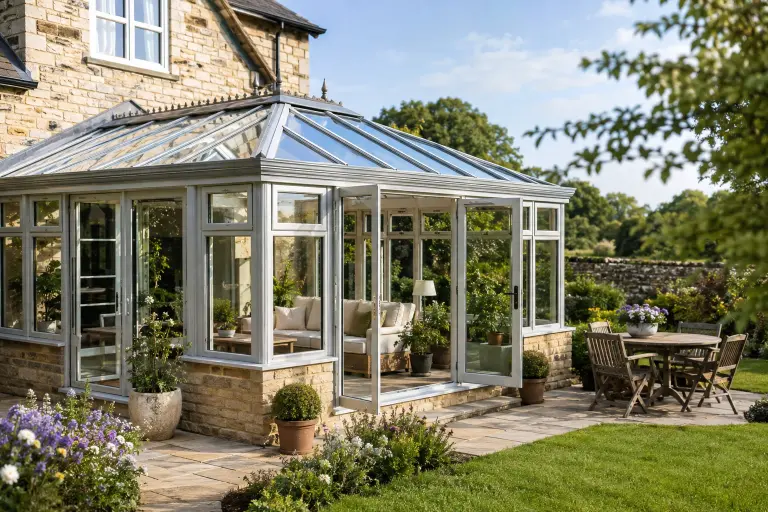
A conservatory can change the way a house is used. It brings in natural light, opens up a view of the garden, and gives a family somewhere to sit that feels separate from the rest of the home without the cost of a full extension. For homeowners considering conservatories Dorset offers a good deal of variety, from period properties in market towns to contemporary homes closer to the coast, and the right design depends heavily on what sits at the end of the garden already.
A cottage with exposed beams and small windows usually calls for a different approach than a 1990s detached house with large patio doors. Garden space, orientation, natural light and how the room will be used day to day all shape the decision, and roof design and glazing matter just as much as the shape of the structure itself.
What Types of Conservatories Are Available in Dorset?
Most conservatory projects fall into a handful of recognised styles, each suited to different types of property and different priorities.
Victorian Conservatories
The Victorian conservatory is probably the style most people picture first, with a bay-fronted layout, either three-sided or five-sided, and a pitched roof typically sitting somewhere between 20 and 45 degrees. This style suits period and traditional properties particularly well, though the layout can be adjusted to fit a range of house types.
Edwardian Conservatories
Edwardian conservatories share the same basic structure as Victorian designs but use a square or rectangular base rather than an angled front, making better use of the internal floor area for furniture and everyday family life. The choice between the two often comes down to how the space will be used, rather than which style simply looks nicer.
Modern Conservatories
Modern conservatory designs have become increasingly popular, partly because they tend to offer more usable floor space for the same footprint, and partly because a contemporary style often suits newer homes better than a period design would. These conservatories typically use large areas of glazing and cleaner lines, aiming for a proper living space rather than a greenhouse-style room.
Bespoke Conservatories
Not every property fits neatly into a standard shape. Where a garden is an unusual size, an elevation needs careful integration, or a homeowner has a specific layout in mind, a bespoke design allows the structure to be tailored around those constraints, often combining elements of two styles into a single, larger structure.
Choosing the Right Conservatory Material
Aluminium frames suit a contemporary look, with slim sightlines and strength for larger glazed panels. Hardwood brings a more traditional character with visible detailing and a natural warmth other materials cannot quite replicate. uPVC remains a practical option for many households, largely due to low maintenance and the range of styles available. The right choice always depends on the property, the design and the homeowner’s own priorities rather than one option being universally better than another.
Can a Conservatory Be Used All Year Round?
Simply adding more glass does not automatically create a comfortable room. Year-round comfort depends on glazing type, roof construction, insulation, ventilation, orientation, shading and heating, along with overall build quality. A well-designed conservatory can genuinely function as a living space throughout the year, but this comes down to how the individual elements work together rather than any single feature on its own.
When Should You Consider Replacing an Existing Conservatory?
Older conservatories can start to show their age in fairly obvious ways. Poor thermal performance, condensation, failed seals, a leaking roof or doors that no longer open and close properly are all common signs that a structure needs attention. Sometimes a repair is enough. Other times, particularly where the layout no longer suits the household or the appearance feels dated, a full replacement makes more sense than patching up an ageing structure.
Homeowners researching replacement conservatories Cirencester or considering similar projects elsewhere in the south should first assess the condition of the existing structure, the proposed design and the level of professional guidance available before deciding between repair and replacement.
Replacing a conservatory involves more than choosing a new style. Foundations, roof condition, glazing, drainage and insulation all need assessing, and planning or building regulation requirements may apply depending on the scope of the work. Every property is different, so what suits a neighbouring house may not be right for another.
Planning Permission and Building Regulations
Conservatory projects can involve planning permission or building regulation considerations, though this varies depending on the property, its size, its location and any existing extensions. It is not accurate to say conservatories never need planning permission, nor that they always do. Structural work, doors separating the conservatory from the main house, and insulation requirements can all affect what applies. This article is not a substitute for professional advice, and homeowners should seek appropriate guidance for their own circumstances.
How to Choose a Conservatory Company in Dorset
A few practical things are worth checking before committing to a company. Relevant industry experience and an established track record are a good starting point, along with examples of completed projects you can look at. Ask how the design process works, whether quotations are transparent, and consider planning knowledge, installation expertise and what support is offered once the work is finished.
Why Consider David Fennings 1969?
David Fennings 1969 is a family-run business based in Blandford Forum, with more than 40 years of experience in conservatories, orangeries, windows and doors. The company works in hardwood, architectural aluminium and uPVC, and offers guidance through planning permission and building regulation requirements as part of the process. It also provides repair and maintenance for conservatories, orangeries, windows, doors and roofs, covering Dorset and the wider south, including Poole, Bournemouth, Salisbury and Dorchester.
Frequently Asked Questions
How much does a conservatory cost in Dorset?
It depends on size, materials, design, glazing and roof type, so pricing varies from project to project.
What type of conservatory is best for a Dorset home?
Period homes often suit Victorian or Edwardian styles, while modern properties may work better with a contemporary or bespoke layout.
Can a conservatory be used throughout the year?
With the right glazing, insulation, ventilation and heating, a conservatory can function as a genuine year-round space rather than a seasonal room.
Do conservatories need planning permission?
Sometimes, depending on size, location, design and any existing extensions. Professional guidance can clarify what applies to a specific property.
Should I repair or replace my existing conservatory?
Failed seals or minor leaks can often be repaired, while poor thermal performance or an unworkable layout may point towards replacement.
Which conservatory material is best: aluminium, hardwood or uPVC?
There is no single best option. It depends on the property, the desired look and the homeowner’s own priorities around maintenance and budget.