Construction Site Hoarding Gains Role in Urban Development Projects
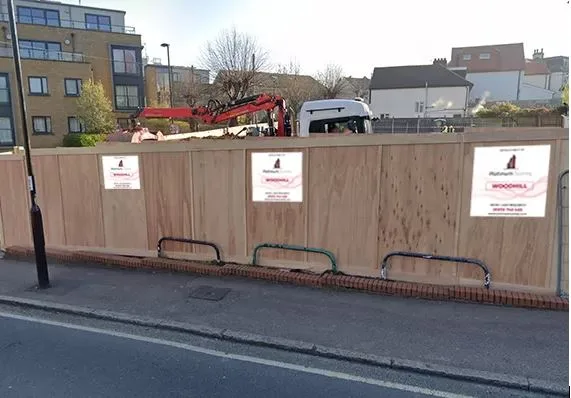
Urban development projects are becoming increasingly complex, visible, and impactful. As cities expand and regenerate, the presence of construction activity is unavoidable. However, what was once seen as a purely functional necessity temporary barriers around building sites has evolved into something far more significant. Today, construction site hoarding and hoarding boards play a crucial role not only in safety and security but also in communication, branding, and urban aesthetics.
The Evolution of Construction Site Hoarding
Traditionally, hoardings were simple wooden or metal barriers designed to keep the public safe and prevent unauthorised access. Their purpose was purely practical: to separate construction zones from public spaces.
In modern urban projects, construction site hoarding has transformed into a multi-functional asset. Developers, contractors, and city planners now recognise that these structures can influence public perception, enhance community engagement, and even contribute to the visual identity of a neighbourhood.
From Barriers to Communication Tools
Construction sites are often long-term projects, sometimes lasting months or even years. During this time, hoarding boards serve as a consistent interface between the project and the public.
They are now widely used to:
- Share project information and timelines
- Highlight safety messages
- Promote upcoming developments
- Display branding for developers and stakeholders
This shift has elevated hoarding from a passive barrier to an active communication medium.
Enhancing Urban Aesthetics
One of the most noticeable changes in construction site hoarding is the focus on design and visual appeal. In busy cities, unattractive construction sites can disrupt the overall look and feel of an area. Well-designed hoarding boards help mitigate this issue.
Visual Integration with Surroundings
Modern hoardings are often designed to complement their surroundings. Whether it is a commercial district, residential area, or cultural hub, developers are increasingly mindful of how construction sites impact the urban landscape.
Hoarding boards may feature:
- High-quality graphics and artwork
- Local cultural themes
- Architectural renderings of the finished project
Supporting Community Identity
In many urban projects, hoardings are used to reflect the identity of the local community. This can include historical imagery, local artwork, or messaging that resonates with residents.
Such efforts help:
- Foster a sense of inclusion
- Reduce resistance to development projects
- Strengthen community relationships
Safety and Security Remain a Priority
While the visual and communicative roles of hoarding have expanded, their primary function remains safety and security.
Protecting the Public
Construction sites pose numerous risks, including falling debris, heavy machinery, and uneven surfaces. Properly installed construction site hoarding ensures that these hazards are contained within the site.
Key safety benefits include:
- Preventing unauthorised access
- Reducing the risk of accidents
- Clearly defining construction boundaries
Ensuring Site Security
In addition to protecting the public, hoarding boards also safeguard valuable equipment and materials within the site. Theft and vandalism can significantly impact project timelines and costs, making secure hoarding essential.
Branding and Marketing Opportunities
In competitive urban environments, developers are constantly seeking ways to stand out. Construction site hoarding has become an effective marketing platform.
Turning Hoarding into Advertising Space
Hoarding boards offer a large, highly visible surface area that can be used for promotional purposes. Developers often use this space to showcase:
- Branding elements such as logos and colour schemes
- Key features of the upcoming development
- Contact information and sales details
Creating Anticipation
By displaying high-quality visuals and compelling messaging, hoardings can generate excitement about a project before it is even completed. This is particularly valuable for residential and commercial developments where early interest can drive sales or leasing opportunities.
Sustainability and Environmental Considerations
As sustainability becomes a central focus in urban development, the materials and design of hoarding boards are also evolving.
Eco-Friendly Materials
Many developers are now opting for sustainable materials in their construction site hoarding. These may include:
- Recyclable panels
- Reusable modular systems
- Environmentally friendly inks for printing
Such choices help reduce the environmental impact of construction projects.
Temporary Yet Responsible Solutions
Although hoardings are temporary structures, their environmental footprint can be significant if not managed properly. Reusable systems allow hoarding boards to be repurposed across multiple projects, reducing waste and promoting sustainability.
Digital Integration and Innovation
The role of hoarding boards is expanding further with the integration of digital technology.
Interactive and Smart Hoardings
Some urban projects are incorporating digital screens, QR codes, and augmented reality features into their hoardings. These innovations allow the public to:
- Access detailed project information
- View virtual walkthroughs of future developments
- Engage with interactive content
This creates a more dynamic and engaging experience.
Real-Time Updates
Digital elements also enable developers to provide real-time updates on construction progress, keeping the public informed and involved.
Regulatory Compliance and Standards
Construction site hoarding must meet specific regulations to ensure safety and consistency. Local authorities often have guidelines regarding:
- Height and structural integrity
- Fire safety standards
- Accessibility and visibility
Compliance with these regulations is essential for avoiding legal issues and maintaining public trust.
The Future of Hoarding in Urban Development
As cities continue to grow, the importance of construction site hoarding will only increase. It is no longer just a temporary fixture but an integral part of the urban development process.
Future trends may include:
- Greater use of sustainable materials
- Increased digital integration
- More collaboration with local artists and communities
These developments will further enhance the role of hoarding boards in shaping urban environments.
Conclusion
Construction site hoarding has evolved far beyond its original purpose. Today, it plays a vital role in safety, communication, branding, and urban aesthetics. As urban development projects become more ambitious, the importance of well-designed and strategically utilised hoarding boards continues to grow.
For developers looking to maximise the impact of their projects, investing in high-quality construction site hoarding is no longer optional it is essential. Partnering with specialists such as Hoarding Print Company ensures that these structures not only meet practical requirements but also contribute positively to the surrounding environment and community.
Nimesh Kerai
Nimesh Kerai, the Printing Head at Hoarding Printing Company London, has a proven track record of delivering large format prints of unparalleled quality to customers. He is a technical expert as well as deeply understands the market and trends. His contribution to the company’s growth is undeniable. He often loves to share his extensive industry knowledge and market insights with a larger audience through interesting blog posts.