
Cool Comfort, Rich History – What You Didn’t Know About Air Conditioning (and Why ACL London Is Your Go To Partner)
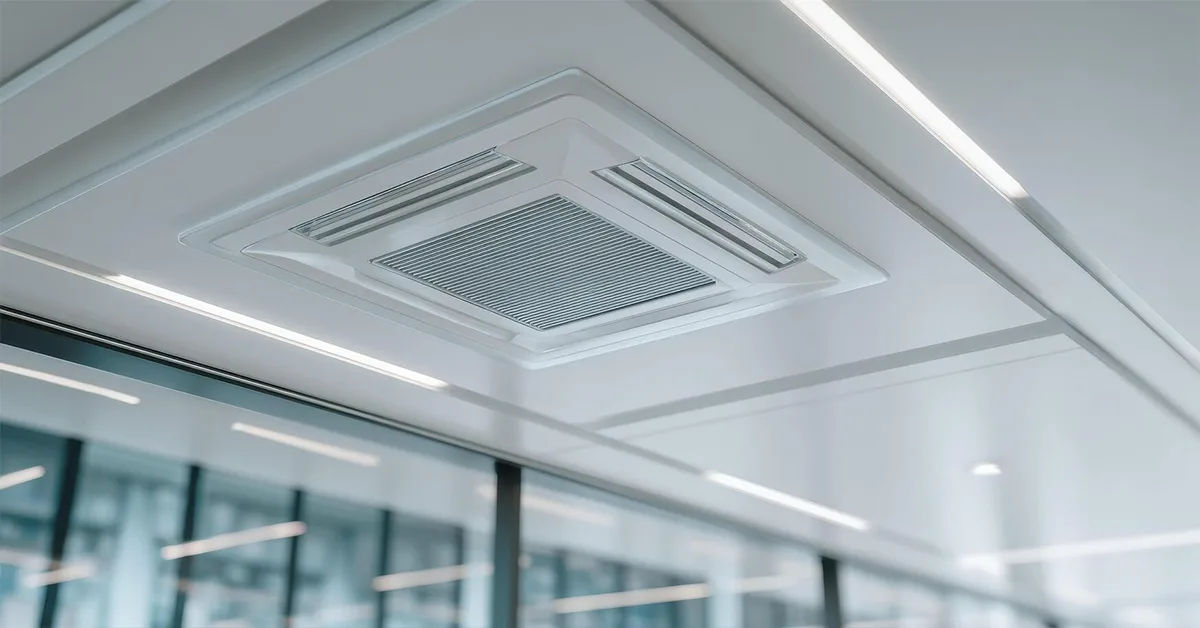
When you step into a well‑cooled office in the middle of a London summer, it’s easy to take the feeling for granted. Most of us think of air‑conditioning as a simple gadget that blows cold air, but behind every sigh of relief lies centuries of ingenuity, a handful of quirky myths, and a whole industry that keeps our homes, hospitals, data centres and even cinema screens humming.
At ACL London, we’ve spent more than two decades perfecting air conditioning installation, delivering reliable air conditioning service, and keeping systems in tip‑top shape through meticulous air conditioning maintenance. In this post we’ll take you on a quick journey through the fascinating facts that shaped today’s climate‑control tech, bust a few common myths, and show you why a professional partner like us is essential for any London property that wants to stay comfortable, healthy, and energy‑smart.
- A Short‑but‑Surprising History of Cooling
The First “Air‑Conditioner” – Wet Reeds in Ancient Egypt
Long before Willis Carrier’s famous 1902 invention, the ancient Egyptians were already experimenting with evaporative cooling. Archaeologists have uncovered evidence that households hung bundles of moisture‑laden reeds in their windows. As water evaporated, it drew heat from the incoming breezes, creating a noticeably cooler indoor environment. It wasn’t electricity, but the principle—evaporation removes heat—still underpins many modern systems.
Roman Ductwork: The Birth of Distributed Climate
Around 300 BC the Romans built the hypocaust, a network of empty spaces beneath floors that carried warm air from a furnace. Though intended for heating, the concept of moving air through concealed channels laid the groundwork for today’s ducted air conditioning London solutions that quietly deliver conditioned air throughout a building.
Willis Carrier – The Father of Modern Air‑Conditioning
In 1902, Cornell‑trained engineer Willis Carrier tackled a very different problem: mould‑damaged printing plates at a Brooklyn lithography company. His solution was a closed‑loop system that regulated temperature and humidity by passing air over chilled water‑filled coils. The core idea—removing heat and moisture from air—remains the heart of every contemporary unit, whether it’s a sleek wall‑mount in a boutique flat or a massive plant serving a corporate campus.
From Towering Monsters to Window‑Box Units
Early commercial units were massive—often taller than a person and as long as a small car. It wasn’t until 1931 that inventors H.H. Schultz and J.Q. Sherman miniaturised the concept into a window‑mounted box that could serve a single room. Though pricey (the first models cost the equivalent of today’s six‑figure sums), the design proved practical and evolved into the window ACs still sold across the UK.
The “Summer Blockbuster” Phenomenon
When cinemas first installed AC, they gained a competitive edge: moviegoers could escape the sweltering heat and enjoy films comfortably. This led to the term “summer blockbuster,” a marketing strategy that still dictates release calendars. The first true blockbuster—Jaws in 1975—rode on that cool wave, proving that climate control can even influence pop‑culture.
- Why Air‑Conditioning Matters in the UK
You might think Britain’s climate is too mild for a heavy‑duty AC, but recent heatwaves prove otherwise. The UK’s all‑time high temperature—38.7 °C recorded in Cambridge in July 2019 places an unprecedented strain on buildings not designed for such extremes. Conversely, winter lows can plunge below –20 °C in parts of Scotland, making reliable air conditioning service that can also heat (via heat‑pump technology) essential.
Beyond comfort, temperature stability is critical for:
- Healthcare – Hospitals rely on precise climate control to keep medicines and equipment within safe ranges.
- Food logistics – Fresh produce and perishable goods demand consistent refrigeration during storage and transport.
- Data centres – Servers generate massive heat; without proper cooling, even a few minutes of overheating can cause costly downtime.
In short, a well‑designed, expertly installed, and regularly maintained system is a silent but vital business partner.
- The Evolution of Refrigerants – From Toxic Gases to Green Alternatives
Early air‑conditioners used hazardous substances such as ammonia, methyl chloride, and even flammable ether. The 1920s and 30s introduced chlorofluorocarbons (CFCs)—non‑flammable and seemingly safe—but later research uncovered a grim side effect: chlorine atoms from CFCs climb into the stratosphere and destroy ozone molecules.
The 1987 Montreal Protocol—a global treaty signed by 196 nations—phased out ozone‑depleting substances. Modern AC units now use low‑global‑warming‑potential refrigerants like R‑32, R‑410A, and increasingly hydrofluoroolefins (HFOs). These alternatives provide the same cooling efficiency while drastically reducing environmental impact.
When you choose ACL London for air conditioning installation, you’ll receive a system that meets the latest UK regulations and leverages the most sustainable refrigerants available.
- Myths vs. Reality – What People Often Get Wrong
Myth 1: “Air‑conditioners only blow cold air.”
Reality: An AC does not create cold air; it extracts heat from indoor air and transfers it outside. In the process, it also reduces humidity and filters particulates. A well‑maintained unit can improve indoor air quality, removing pollen, dust, and even some airborne pathogens especially important in a city where outdoor pollution levels can be high.
Myth 2: “Bigger units always perform better.”
Reality: Oversized systems cycle on and off rapidly, never reaching the long run‑times needed to de‑humidify properly. This leads to clammy indoor air, higher energy bills, and premature wear. Conversely, an undersized unit struggles to keep temperatures steady, running constantly and eventually failing. The sweet spot is a correctly sized system something our certified engineers calculate using detailed load‑assessment tools.
Myth 3: “You can skip regular maintenance; the unit will last forever.”
Reality: Even a thin layer of dust (about 1 mm) on the evaporator coil can slash efficiency by over 20 %. Clogged filters strain compressors, drive up electricity consumption, and invite costly breakdowns. Routine air conditioning maintenance—cleaning coils, checking refrigerant pressure, and swapping filters keeps performance high and extends lifespan.
Myth 4: “Air‑conditioning is a waste of energy in London’s mild climate.”
Reality: Modern heat‑pump ACs work both ways: they provide cooling in summer and highly efficient heating in winter, often delivering three units of heat for every unit of electricity consumed. This dual‑functionality can replace older, less efficient boilers and electric radiators, cutting overall energy use.
- How ACL London Keeps Your Building Comfortable and Efficient
- Expert Air Conditioning Installation
Every project begins with a comprehensive heat‑load calculation, taking into account building orientation, insulation, occupancy, and the specific needs of each space. Our engineers then recommend the right system type ducted, split‑system, VRF (Variable Refrigerant Flow), or bespoke solutions for historic properties ensuring optimal sizing and placement.
- Proactive Air Conditioning Service
We offer flexible service contracts ranging from annual tune‑ups to quarterly preventive checks. Our technicians use diagnostic tools to monitor refrigerant levels, airflow, and electrical integrity, catching issues before they become emergencies.
- Thorough Air Conditioning Maintenance
Our maintenance packages include coil cleaning, filter replacement, fan inspection, and software updates for smart controllers. We also provide detailed performance reports, showing you how your system’s efficiency stacks up against industry benchmarks.
- Commitment to Sustainability
All installations feature low‑GWP refrigerants and energy‑efficient compressors. We can integrate renewable‑energy options such as solar‑powered auxiliary heaters to further reduce your carbon footprint.
- Quick Tips for Building Owners and Tenants
- Schedule a professional audit every 12–18 months. Even if your system seems fine, hidden fouling can creep up unnoticed.
- Replace filters according to manufacturer guidelines—typically every 3–6 months in a dusty city like London.
- Use programmable thermostats to avoid unnecessary run‑time; a few degrees higher in summer can cut electricity use by up to 10 %.
- Seal gaps around ducts and windows to keep conditioned air from escaping; this improves efficiency and lowers bills.
- Consider a heat‑pump upgrade if you still rely on an older electric furnace; it could reduce heating costs dramatically.
- The Bottom Line
From wet reeds in ancient Egypt to the sophisticated, low‑impact heat‑pump systems that line London’s streets today, air‑conditioning has always been about more than just a cool breeze it’s about safeguarding health, preserving goods, and enabling productivity.
Choosing the right partner for air conditioning London projects makes all the difference. With ACL London’s expertise in air conditioning installation, responsive air conditioning service, and diligent air conditioning maintenance, you can enjoy a comfortable indoor environment while respecting the planet and your budget.
Ready to upgrade or service your system? Get in touch with our friendly team today and experience the ACL London difference where history, technology, and human comfort meet.