Cranial Osteopathy for Newborns: Gentle Support After Birth
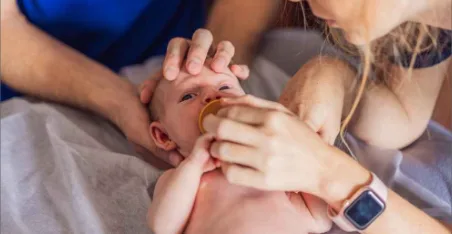
Bringing a new baby into the world is an incredible journey, but birth can also place temporary physical stress on a newborn’s delicate body. Whether the birth was quick, prolonged, assisted with forceps or vacuum, or performed via C-section, some babies may experience tension that affects their comfort, feeding, or sleep.
What Is Cranial Osteopathy?
Cranial osteopathy is a gentle form of osteopathic manual therapy that focuses on assessing and improving the body’s natural movement and function. It is based on the principle that the body’s muscles, joints, connective tissues, and nervous system work together, and that restoring balance and mobility may help support overall health and wellbeing.
Rather than concentrating solely on the head, cranial osteopathy takes a whole-body approach. A qualified cranial osteopath uses gentle, hands-on techniques to identify areas of tension or restriction and develops an individualized treatment plan based on the person’s age, symptoms, and overall health.
Why Might Parents Consider Cranial Osteopathy?
Every newborn is unique. While many babies adjust naturally after birth, some parents seek professional assessment when they notice:
- Difficulty latching or feeding
- Preference for turning the head to one side
- Neck or body stiffness
- Flat spots developing on the head
- Excessive unsettled behaviour
- Sleep difficulties
- General discomfort during movement
These symptoms can have many possible causes, so a thorough assessment by a qualified healthcare professional is always important.
How Treatment Is Performed
One reason many parents choose cranial osteopathy is its gentle approach. During a session, the practitioner uses gentle osteopathic manual therapy techniques to assess areas of tension and movement throughout the baby’s head, neck, spine, and body. The treatment is comfortable, non-invasive, and tailored to each baby’s individual needs to encourage healthy movement and overall well-being.
Understanding Craniosacral Therapy and Cranial Osteopathy
Many people confuse craniosacral therapy with cranial osteopathy. While both involve gentle hands-on techniques, they are different approaches with different training backgrounds.
Cranial osteopathy is performed by qualified practitioners who assess the whole body using osteopathic principles. Regardless of the approach, parents should always choose a properly trained healthcare professional experienced in treating infants.
Supporting Your Baby Beyond Treatment
Professional care is only one part of supporting healthy development. Parents can also help by:
- Encouraging supervised tummy time
- Changing feeding and sleeping positions regularly
- Holding and carrying babies in varied positions
- Following safe sleep recommendations
- Attending routine health checks
These simple habits promote healthy movement and development during the first months of life.
Can Therapeutic Massage Help Babies?
Parents often ask whether therapeutic massage is appropriate for newborns. Gentle infant massage may encourage relaxation, strengthen parent-child bonding, and help some babies settle more easily. However, techniques designed for adults should never be used on infants. If you’re unsure, seek guidance from a qualified healthcare provider before starting massage at home.
Is Cranial Osteopathy Safe?
When performed by an appropriately qualified practitioner with experience treating infants, cranial osteopathy is generally considered gentle and well tolerated. Before treatment, the practitioner should complete a detailed health history and determine whether further medical assessment is required.
If a baby has persistent feeding problems, breathing difficulties, fever, poor weight gain, or other concerning symptoms, medical evaluation should always take priority.
Choosing the Right Natural Healing Centre
If you’re considering care for your newborn, choose a natural healing center that values evidence-informed practice, thorough assessment, clear communication, and individualized care. A practitioner should take time to understand your baby’s health history, explain the proposed treatment, and work collaboratively with other healthcare providers when needed.
Final Thoughts
The early weeks of life are an important period of growth and adjustment. While many babies settle naturally, some families explore cranial osteopathy as part of a broader approach to supporting comfort, movement, and development. Choosing an experienced practitioner who provides gentle, individualized care while ensuring any medical concerns receive appropriate attention is essential.
If you’re considering treatment, Nourish Osteo and Wellness offers cranial osteopathy with a patient-centred approach, focusing on gentle, evidence-informed care tailored to each individual’s needs.