Create Paper Animation Techniques and Basic Concepts
Paper-style animation has a timeless charm. It feels handmade, tactile, and expressive, yet modern tools have made it faster and more precise than ever. From explainer videos and social media clips to branding visuals and educational content, paper animation is now widely used across industries. In this guide, we’ll explore the basic concepts behind paper animation, practical techniques, and how modern AI-powered tools—especially Create Paper Animation solutions like PaperAnimator are changing the way creators work.
Understanding the Basics of Paper Animation
Paper animation is inspired by traditional cut-paper art, where shapes are physically cut, layered, and animated frame by frame. Digitally, the same idea is recreated using software that simulates paper textures, torn edges, folds, and unfolding motions.
At its core, paper animation focuses on:
- Layering: Each paper piece is treated as an independent layer.
- Movement: Simple motions such as unfolding, sliding, or popping into place.
- Texture realism: Slight imperfections make the animation feel authentic.
- Story flow: Clean transitions that guide the viewer’s attention naturally.
These principles help paper animation stand out as warm and engaging, even when created with AI.
Why Paper Animation Is So Popular Today
Paper animation has grown in popularity because it balances creativity with clarity. It works equally well for storytelling, product demos, and educational visuals. The style feels approachable and avoids visual overload.
Another reason is accessibility. With AI-based platforms, creators no longer need advanced animation skills. Tools like http://paperanimator.art allow anyone to produce professional-looking paper animations without complex timelines or manual frame adjustments.
How AI Has Changed Paper Animation Workflows
Traditionally, paper animation required design software, motion tools, and a lot of manual effort. AI now automates many of these steps.
Modern AI tools can:
- Detect edges and shapes automatically
- Create realistic torn-paper outlines
- Animate unfolding motions smoothly
- Maintain consistent lighting and depth
This reduces production time while keeping the handcrafted feel intact.
Create Paper Animation with PaperAnimator
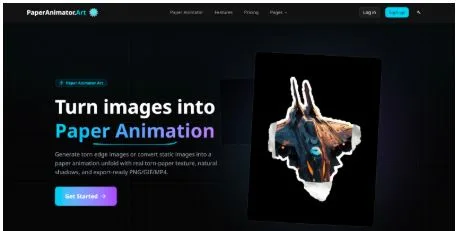
When it comes to Create Paper Animation, PaperAnimator stands out as a specialized AI platform designed specifically for paper-style visuals. Instead of forcing creators to adapt general animation tools, it focuses entirely on cut-paper effects and unfolding animations.
Key Features of PaperAnimator
PaperAnimator is built for simplicity and quality. Some of its most useful features include:
- Torn-edge paper unfold animation with AI
The system generates natural-looking torn edges and unfolding motions that feel organic, not mechanical. - Perfect cut-out effect
Shapes are cleanly separated from backgrounds, maintaining sharp edges without losing texture detail. - Multiple export options
You can export animations as video, GIF, or PNG sequences depending on your project needs. - Transparent and green screen support
This makes it easy to integrate animations into other videos or designs without extra editing. - Consistent paper textures
The AI maintains a realistic paper feel across all frames, avoiding visual flicker.
These features make PaperAnimator ideal for creators who want polished results quickly.
Practical Uses of PaperAnimator Animations
Paper-style animations created with PaperAnimator can be used in many real-world scenarios:
- Marketing visuals for websites and landing pages
- Educational videos that explain concepts step by step
- Social media content that needs eye-catching motion
- Brand storytelling with a handcrafted aesthetic
Because the animations export cleanly and support transparency, they integrate easily into existing workflows.
The Importance of Timing and Visual Flow
In paper animation, timing is everything. Movements should feel deliberate and smooth, not rushed. This is where AI-assisted timing really helps.
Understanding when to reveal a shape or how long an unfold should last can dramatically improve viewer engagement. Some creators also pay attention to scheduling and publishing times, often using tools like Check day number platforms to understand the current day number, week number, and today’s date. Knowing what day of the year it is can be useful for planning content releases, seasonal campaigns, or educational calendars, all adjusted by your time zone.
While this type of date and time tool isn’t directly related to animation creation, it supports better content planning around your visuals.
Visual Consistency and Cut-Out Accuracy
One challenge in paper animation is maintaining consistent edges and proportions across frames. Even small variations can break the illusion.
PaperAnimator solves this by:
- Locking cut-out shapes across animations
- Preserving edge texture consistency
- Applying uniform lighting and shadow depth
This results in animations that feel cohesive and professional, even when generated quickly.
Combining Paper Animation with Other Visual Styles
Paper animation doesn’t have to stand alone. Many creators mix it with other visual elements such as icons, typography, or even figurine-style visuals.
For example, some designers create paper backdrops and then overlay character visuals made with tools that Generate AI figurine designs. These tools can transform photos into collectible-style figures or action figure concepts in seconds. When combined carefully, the flat paper look and detailed figurine designs can complement each other without clashing.
The key is balance, letting paper animation set the scene while other elements add focus.
Exporting and Reusing Your Animations
Another advantage of using a dedicated paper animation platform is reusability. Once an animation is created, it can be exported in different formats for multiple uses.
- Video for presentations or websites
- GIF for lightweight sharing on social platforms
- PNG sequences for advanced editing in other tools
With transparent and green screen support, these assets can be reused across projects, saving both time and effort.
Tips for Better Paper Animation Results
To get the most out of your paper animations, keep these practical tips in mind:
- Keep designs simple; paper animation shines with clarity
- Use unfolding and reveal motions sparingly
- Match animation speed with your message tone
- Maintain consistent color palettes and textures
- Preview animations in their final context before publishing
These small details help maintain the handcrafted feel that makes paper animation so appealing.
Final Thoughts on Create Paper Animation
Paper animation continues to evolve, blending traditional art inspiration with modern AI technology. Platforms like http://paperanimator.art make it possible to Create Paper Animation that looks polished, expressive, and professional without the steep learning curve.
By understanding the basic concepts, using the right tools, and focusing on visual flow, creators can produce animations that truly connect with viewers. Whether you’re building educational content, marketing visuals, or creative storytelling pieces, AI-powered paper animation opens up a flexible and approachable creative path.