Create Perfect Shade for Events with Pergola Kits
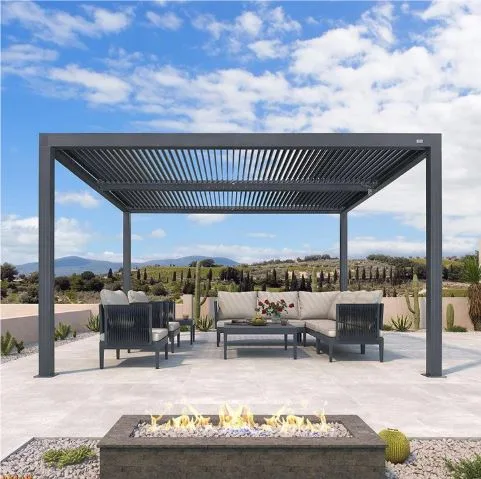
Anyone who has organized an outdoor event knows the struggle: the midday sun beats down relentlessly, guests seek refuge under any sliver of shade, and the carefully planned atmosphere dissolves into discomfort. Whether it’s a wedding reception, a corporate mixer, or a community festival, uncontrolled sun exposure and rising temperatures can turn a memorable occasion into an endurance test. Event planners need solutions that go beyond flimsy pop-up canopies and scattered patio umbrellas.
Pergola kits offer exactly that—a stylish, structurally sound shade solution that transforms open-air venues into comfortable gathering spaces. Unlike temporary fixes, these kits combine architectural elegance with practical functionality, giving planners the ability to control sunlight while elevating the visual appeal of any outdoor setting. This article walks you through the process of selecting the right pergola kit for your event needs, installing it efficiently, and customizing it to create an inviting atmosphere. Along the way, we’ll explore how thoughtful patio design and garden pergola integration can turn a simple shade structure into the centerpiece of your outdoor event space.
Why Pergola Kits Are the Ultimate Shade Solution for Outdoor Gatherings
The outdoor event industry has shifted dramatically in recent years, with planners increasingly seeking shade solutions that balance functionality with visual sophistication. Guests expect comfort without sacrificing ambiance, and venues need structures that can handle diverse weather conditions while complementing the surrounding landscape. This growing demand has pushed pergola kits to the forefront of event planning conversations, and for good reason.
Unlike temporary shade options that flap in the wind or collapse under moderate stress, pergola kits deliver a semi-permanent framework that anchors an event space with confidence. Their open-beam design allows filtered sunlight to pass through while significantly reducing heat buildup underneath—a balance that keeps guests comfortable without plunging them into darkness. The structural integrity means planners can hang decorations, drape fabric, or mount lighting without worrying about weight limits or stability. More importantly, pergola kits adapt to the personality of each event. A rustic wooden frame suits a vineyard wedding, while a sleek aluminum structure elevates a product launch. This versatility, combined with genuine weather protection and the ability to define distinct zones within a larger venue, makes them far more than simple shade providers—they become architectural statements that shape how guests experience an outdoor gathering.
Key Benefits of Pergola Kits for Event Planners
For planners juggling tight timelines and tighter budgets, pergola kits solve multiple problems simultaneously. They create comfortable outdoor spaces where guests naturally congregate, reducing the need for constant crowd management. Installation typically requires a small crew and basic tools, meaning setup can happen within hours rather than days—critical when venue access windows are limited. Cost-effectiveness improves with each use since these kits are reusable across multiple events, unlike single-use tent rentals that drain budgets repeatedly. Scalability is another practical advantage: planners can deploy a single kit for intimate dinners or connect multiple units to shelter large-scale festivals. The shade they provide isn’t just about blocking UV rays—it’s about expanding usable event hours into the harsh midday period and giving planners confidence that their patio design vision won’t melt under the afternoon sun.
Comparing Pergola Kits to Other Shade Solutions
Traditional event tents enclose spaces completely, trapping heat and blocking sightlines to surrounding gardens or scenic views. Patio umbrellas offer limited coverage and topple easily in wind, while retractable awnings require permanent wall attachment that most event venues cannot accommodate. Pergola kits occupy a unique middle ground. They provide substantial overhead coverage without creating a sealed environment, allowing natural airflow that keeps temperatures manageable. Their post-and-beam construction integrates seamlessly with existing landscape features—unlike tents that sit awkwardly on manicured lawns. Perhaps most significantly, pergolas enhance rather than hide the venue’s character, working with garden elements and architectural details instead of obscuring them behind canvas walls.
Choosing the Right Pergola Kit for Your Event and Patio Design
Selecting a pergola kit isn’t a one-size-fits-all decision—it requires matching the structure to your specific event context, venue constraints, and design vision. The wrong choice leaves you with an undersized canopy that barely covers the head table or an imposing structure that overwhelms an intimate garden gathering. Getting it right means evaluating several interconnected factors before committing to a purchase or rental.
Start with the event itself. A seated dinner for sixty demands different coverage than a cocktail reception where guests move freely between stations. Corporate events often require clean, modern lines that project professionalism, while social celebrations benefit from warmer materials and organic shapes that invite relaxation. Your venue’s existing character matters equally—a pergola kit should feel like a natural extension of the space rather than an afterthought dropped onto the lawn. Budget plays a role too, but frame it in terms of cost per use rather than upfront expense. A well-chosen kit that serves you across a full event season delivers far better value than repeated tent rentals, especially when the aesthetic payoff strengthens your brand or reputation as a planner.
Factors to Consider: Size, Material, and Aesthetic Appeal
Size calculation starts with guest count and activity type. Allow roughly fifteen square feet per person for standing events and twenty for seated arrangements, then add buffer space for circulation paths and service access. Material choice directly impacts durability and maintenance demands. Wood—particularly cedar or redwood—delivers warmth and natural beauty that suits garden pergola settings, though it requires periodic sealing against moisture. Aluminum frames resist corrosion and weigh significantly less, making them easier to transport between venues and ideal for planners who manage multiple event locations. Vinyl offers minimal upkeep but limits color and texture options. Beyond structural materials, consider how the kit’s design language interacts with your patio design goals. Latticed tops filter light differently than spaced rafters, and post thickness affects sightlines from surrounding areas. Weather resistance matters for regions with unpredictable conditions—look for kits rated for local wind speeds and capable of supporting added weight from rain-soaked fabric or snow loads if you plan shoulder-season events.
Integrating Pergolas into Existing Outdoor Spaces
The most successful pergola installations feel rooted in their environment rather than imposed upon it. Achieve this by aligning the structure’s orientation with existing pathways, garden beds, or architectural features of adjacent buildings. Position posts so they frame desirable views—a rolling hillside, a water feature, or a manicured hedge—rather than blocking them. Climbing plants like wisteria, jasmine, or grapevines transform a bare frame into a living garden pergola over time, though for single events, potted climbers secured to posts with discreet ties create a similar effect instantly. String lighting woven through rafters adds evening ambiance while reinforcing the structure’s geometry. For permanent venue installations, consider how the pergola interacts with existing shade trees—complementary placement extends the overall shaded zone without creating redundant coverage. Ground treatment beneath the structure also matters: transitioning from surrounding grass to flagstone or gravel beneath the pergola signals a distinct zone and prevents muddy conditions after rain, keeping your comfortable outdoor spaces genuinely comfortable regardless of weather surprises.
Step-by-Step Guide to Installing and Configuring Pergola Kits for Events
Even the most beautiful pergola kit fails if installation is rushed, poorly planned, or executed without attention to site-specific conditions. Event planners who approach assembly methodically save hours of frustration and avoid the embarrassing scenario of a half-finished structure greeting arriving guests. The good news is that modern pergola kits are engineered for efficient assembly, with pre-cut components, labeled hardware, and instructions designed for teams without specialized construction experience. The key lies in preparation—understanding your site before a single post goes into the ground and building in enough time buffer to handle the unexpected.
Pre-Event Preparation and Site Assessment
Begin your site assessment at least two weeks before the event date. Measure the designated area carefully, accounting not only for the pergola’s footprint but also for clearance around posts where guests will circulate and where catering staff need access. Check with your venue or local municipality about permit requirements—some jurisdictions require permits for temporary structures above a certain height or footprint, and discovering this the day before setup creates avoidable chaos. Mark underground utility lines before digging any post footings; a single call to your local utility locator service prevents catastrophic encounters with gas or electrical lines. Evaluate the ground surface: concrete patios accept bolt-down post bases, while grass or soil may require driven anchors or weighted footings depending on whether permanent holes are permitted. Test for drainage patterns by visiting the site after rain—standing water beneath your pergola undermines both stability and guest comfort. Finally, confirm access for delivery vehicles and ensure the assembly crew can reach the installation point without navigating narrow gates or fragile landscaping. Creating comfortable outdoor spaces starts with this unglamorous groundwork, but skipping it invites problems that no amount of decoration can fix.
Assembly and Customization Techniques
Most pergola kits arrive with posts, beams, rafters, hardware packs, and mounting brackets organized by assembly stage. Lay all components out near the installation site and verify the inventory against the parts list before starting—discovering a missing bracket mid-assembly wastes precious time. Begin with post installation, ensuring each is perfectly plumb using a spirit level and temporarily braced until beams lock everything into rigid alignment. Two people can typically raise posts and beams, but a third person dramatically improves safety and speed when lifting overhead components. Attach main beams to posts first, then lay rafters across at specified intervals, securing each with the provided fasteners. For events on hard surfaces where ground penetration isn’t possible, use weighted base plates or sandbag-stabilized feet rated for your local wind conditions. Once the frame stands solid, customization transforms the bare structure into a tailored shade solution. Thread shade cloth or fabric panels between rafters for denser sun coverage, securing edges with clips rather than permanent fasteners so removal stays simple. Hang curtain panels from beam edges to create intimate enclosures or wind barriers on exposed sides. For cooler-weather events, mount portable radiant heaters from crossbeams at safe clearance heights. A typical two-person crew can complete assembly of a standard-sized kit in three to four hours, but schedule a full day to allow for customization, decoration, and troubleshooting. If ground is uneven, use adjustable post bases or shim beneath footings rather than forcing components into alignment—stressed joints weaken over time and compromise safety during the event itself.
Enhancing Event Experiences with Creative Pergola Kit Applications
Once the structure stands and basic shade is achieved, the real creative potential of pergola kits emerges. Thoughtful accessories and imaginative configurations elevate a functional shade solution into an immersive event environment that guests remember long after they leave. The open framework of a pergola invites layering—each addition builds atmosphere without compromising the airflow and natural light that make these structures superior to enclosed alternatives.
Accessories and Add-ons for Maximum Comfort and Style
Shade cloths in varying densities let you fine-tune light levels throughout the day, swapping lighter weaves for morning events and denser fabrics for harsh afternoon sun. Ceiling-mounted fans circulate air beneath the canopy during humid conditions, extending guest comfort without the noise of freestanding industrial units. For evening gatherings, integrated string lights or pendant fixtures suspended from rafters create warm pools of illumination that define the space after sunset. Audio systems mount discreetly to posts, delivering ambient music or speech amplification without cluttering table space. Beneath the structure, coordinate seating arrangements that encourage conversation—lounge groupings for cocktail hours or long communal tables for dinner service. Seasonal adaptations keep pergola kits relevant year-round: attach clear weather panels for spring rain protection, hang evergreen garlands for winter celebrations, or weave sheer fabric through rafters for summer garden parties that feel effortlessly elegant.
Case Studies: Successful Event Setups Using Pergola Kits
Consider a vineyard wedding where three connected wooden pergola kits created a continuous canopy over a 120-guest dinner, with grapevines trained along the beams and bistro lights strung between rafters—the structure echoed the surrounding trellises so naturally that guests assumed it was a permanent venue feature. In a corporate context, a tech company used sleek aluminum pergola kits to define breakout zones at their annual outdoor summit, mounting branded banners from crossbeams and integrating wireless charging stations into post-mounted shelves. A community arts festival deployed modular kits across a park, configuring them as performance stages, vendor corridors, and family rest areas simply by varying the shade cloth density and ground treatments beneath each unit. Brands like PURPLE LEAF have made this kind of versatility more accessible by offering pergola kits designed with event-friendly features such as adjustable louvers and durable aluminum frames that withstand repeated assembly and disassembly. These applications demonstrate how the same fundamental structure adapts to wildly different purposes when planners think beyond basic overhead coverage and treat the pergola as a design platform rather than merely a shade provider.
Building Your Outdoor Event Shade Strategy with Pergola Kits
Pergola kits solve the fundamental tension every outdoor event planner faces: delivering reliable shade and comfort without sacrificing the open-air atmosphere that makes outdoor gatherings special. They bridge the gap between flimsy temporary solutions and permanent construction, offering structural confidence alongside genuine design flexibility. From the initial selection process—where material, size, and aesthetic must align with your event vision and patio design—through efficient installation that respects tight timelines, to creative customization that transforms a simple frame into an immersive environment, these kits reward planners who invest thought into their deployment.
The versatility speaks for itself. A single kit system can serve a romantic garden pergola wedding one weekend and a polished corporate networking event the next, adapting through accessories, fabric choices, and spatial configuration rather than requiring entirely different infrastructure. That reusability compounds value over time, making each subsequent event more cost-effective while maintaining the visual impact that guests notice and remember. Whether you manage a dedicated venue or plan events across multiple locations, start by assessing your most common event scenarios, matching them against available kit configurations, and building a shade strategy that grows with your needs. Consult with experienced suppliers who understand both structural requirements and design possibilities—the right guidance early prevents costly mismatches and ensures your comfortable outdoor spaces deliver on their promise from the very first gathering.