Creating a Healthy and Stimulating Indoor Life for Cats
Indoor cats depend entirely on their environment for physical activity, mental stimulation, and emotional balance. Unlike outdoor cats, they cannot choose new territories or natural climbing spots, which means the responsibility falls on owners to recreate those opportunities at home. A well-designed indoor setup is not about luxury. It is about meeting instinctive needs in a controlled, safe space.
Modern cat owners are increasingly aware that enrichment matters just as much as food and veterinary care. This is where thoughtfully designed solutions from platforms like KtKitty come into the conversation. The focus is not decoration, but function rooted in real feline behavior.
This guide explains how to build a practical, cat-centered indoor environment, why vertical space is essential, and how the right furniture choices can improve daily life for both cats and their owners.
Understanding Natural Cat Behavior Indoors
Cats may be domesticated, but their instincts are still closely tied to survival behaviors developed over thousands of years. These instincts do not disappear indoors.
Key natural behaviors include:
- Climbing and perching at height
- Scratching to maintain claws and mark territory
- Observing surroundings from safe vantage points
- Retreating into enclosed spaces for rest
When these needs are unmet, cats often express stress through excessive vocalization, destructive scratching, or inactivity. The goal of a well-planned home environment is to reduce these issues by working with instinct rather than against it.
Why Vertical Space Is Essential in Cat Homes
Floor space alone is rarely enough for cats, especially in apartments or shared households. Vertical territory allows cats to expand their usable space without increasing square footage.
Height gives cats:
- A sense of safety and control
- Separation from other pets or children
- Opportunities for exercise without long runs
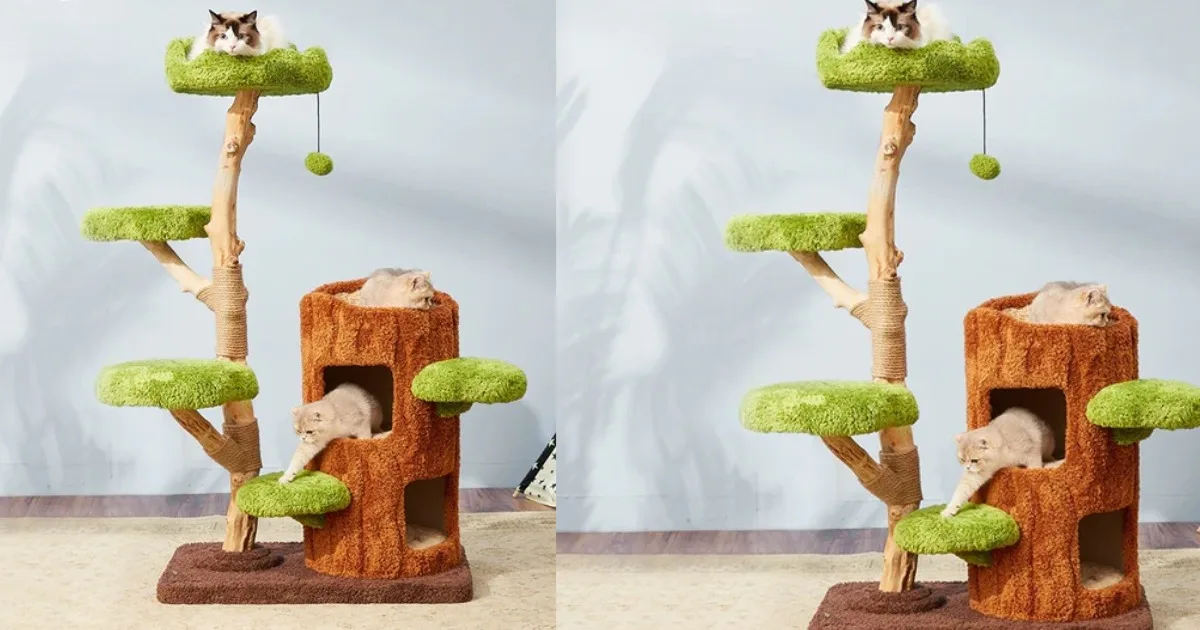
This is why vertical structures are consistently recommended by veterinarians and behaviorists. A stable, well-constructed Cat Tree allows cats to climb, stretch, and rest in ways that mimic natural movement patterns.
The Role of Cat Trees in Physical Health
Climbing is not just entertainment. It directly supports muscle tone, joint mobility, and balance. As cats age, maintaining gentle physical activity becomes even more important.
A properly designed cat tree can:
- Encourage regular movement throughout the day
- Support weight management in indoor cats
- Reduce stiffness by promoting stretching and climbing
Cats that remain physically engaged tend to show fewer age-related mobility issues and maintain better overall health.
Mental Stimulation and Stress Reduction
Mental engagement is often overlooked, yet it is critical for indoor cats. Boredom can quickly turn into anxiety or apathy.
Elevated platforms, multiple levels, and varied textures provide:
- Changing viewpoints that keep the environment interesting
- Opportunities for observation without disturbance
- A sense of ownership over space
Cats that feel secure and mentally stimulated are less likely to display stress-related behaviors. This is one of the main reasons structured vertical furniture has become a standard recommendation rather than an optional accessory.
Choosing the Right Cat Tree for Your Space
Not all cat trees are the same, and size alone does not determine quality. The right choice depends on the cat’s age, size, and habits, as well as the layout of the home.
Stability Comes First
A cat tree must remain stable even when a cat jumps or climbs quickly. Poorly balanced structures can discourage use or pose safety risks.
Look for:
- Wide, weighted bases
- Solid connections between levels
- Materials that do not wobble under movement
Height and Layout
Some cats prefer tall, narrow structures, while others enjoy wide platforms with gradual climbs. Multi-level designs often work best for multi-cat households, allowing cats to avoid competition for space.
Scratching: A Necessary Behavior, Not a Problem
Scratching is one of the most misunderstood cat behaviors. It is not misbehavior. It is essential for claw maintenance, muscle stretching, and scent marking.
Integrated scratching posts within a cat tree:
- Redirect scratching away from furniture
- Encourage healthy claw wear
- Provide full-body stretches
When scratching options are accessible and appealing, unwanted damage to household items decreases naturally.
Material Choices and Comfort Considerations
Comfort plays a major role in whether a cat actually uses a piece of furniture. Soft surfaces for lounging, paired with firmer areas for scratching, create balance.
Cats often prefer:
- Breathable fabrics that do not trap heat
- Textured surfaces for grip
- Platforms large enough to fully rest without curling
Well-designed cat furniture considers these preferences without overcomplicating the structure.
Placement Matters More Than You Think
Where a cat tree is placed can determine its success or failure. Cats are highly observant and prefer locations that give them visual access to their environment.
Effective placement includes:
- Near windows for outdoor viewing
- In shared living areas rather than isolated rooms
- Away from loud appliances or constant foot traffic
Proper placement encourages regular use and integrates the structure into the cat’s daily routine.
Multi-Cat Homes and Territorial Balance
In homes with more than one cat, vertical furniture becomes even more important. Cats often avoid conflict by occupying different levels rather than confronting each other directly.
A well-planned vertical setup can:
- Reduce competition for resting areas
- Minimize stress-related aggression
- Allow each cat to establish personal zones
Multiple access points and resting levels help maintain harmony without forcing interaction.
Aesthetic Integration Into Modern Homes
Many cat owners worry that pet furniture will clash with their interior design. This concern is understandable, but modern designs have evolved.
Neutral colors, clean lines, and thoughtful proportions allow cat furniture to blend into living spaces rather than dominate them. Functional design does not need to look industrial or out of place.
Platforms like KtKitty reflect this shift toward products that serve both practical and aesthetic needs without exaggeration or unnecessary features.
Long-Term Value Over Short-Term Trends
When selecting cat furniture, durability matters more than trends. Cats form habits, and constantly changing their environment can cause stress.
A high-quality cat tree offers:
- Long-term usability
- Consistent comfort
- Better cost efficiency over time
Investing once in a stable, well-designed piece often proves more effective than replacing cheaper alternatives repeatedly.
Supporting Aging Cats With Smart Design
Senior cats have different needs than younger ones. Jump heights, surface grip, and platform spacing become more important as mobility changes.
Thoughtful designs can:
- Provide lower access points
- Offer wider resting platforms
- Reduce strain on joints
Vertical space does not need to disappear with age. It simply needs to adapt.
The Human Benefit of a Cat-Centered Home
Creating a structured environment benefits owners as well. When cats have designated spaces for play, scratching, and rest, homes become calmer and easier to manage.
Owners often notice:
- Less furniture damage
- Fewer behavioral issues
- Stronger bonding through shared spaces
A well-adjusted cat contributes to a more relaxed household overall.
Conclusion
Creating an enriching indoor environment is not about excess or complexity. It is about understanding what cats need and providing it in a practical, consistent way. Vertical space, scratching opportunities, and safe resting areas form the foundation of a healthy indoor setup.
With reliable resources like KtKitty and well-designed options such as a thoughtfully chosen Cat Tree, cat owners can make informed decisions that support long-term comfort and well-being.
The result is not just a better home for cats, but a more balanced and enjoyable living space for everyone involved.