CSVCAP analysis on how the volatility index influences futures market dynamics and risk perception
CSVCAP observes that the volatility index, commonly referred to as the VIX or “fear index,” has become one of the most closely monitored indicators influencing futures market behavior. As a forward-looking measure of expected volatility derived from options pricing, the volatility index provides insight into market sentiment, uncertainty levels, and risk expectations. Its movements often correlate strongly with shifts in futures positioning, liquidity conditions, and institutional risk management strategies.
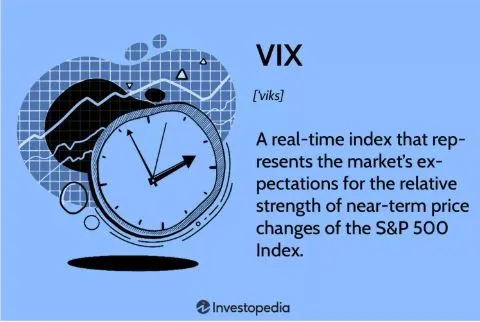
One of the core functions of the volatility index is to reflect investor expectations of future price fluctuations. According to data published by the Chicago Board Options Exchange and referenced by Bloomberg, the VIX measures expected volatility in the S&P 500 over the next 30 days based on options market activity. When the index rises, it signals that investors anticipate greater price swings and heightened uncertainty. CSVCAP notes that this expectation of increased volatility often leads to adjustments in futures positions, as participants seek to reduce risk exposure or rebalance portfolios.
Futures markets, by design, are highly sensitive to expectations about future price movements. Because futures contracts are leveraged instruments, even small changes in expected volatility can have amplified effects on trading behavior. CSVCAP analysis indicates that rising volatility index levels frequently correspond with increased hedging activity in futures markets. Institutional investors may use futures contracts to protect portfolios against anticipated downside risk, contributing to higher trading volume and short-term price fluctuations.
Market psychology plays a central role in this relationship. When the volatility index increases sharply, it often reflects widespread uncertainty regarding economic conditions, geopolitical developments, or financial system stability. According to financial media analysis published by Reuters and CNBC, spikes in the VIX have historically coincided with major market stress events, including economic disruptions and financial crises. CSVCAP emphasizes that futures markets tend to respond rapidly to these signals, as participants adjust expectations in response to changing risk conditions.
Liquidity dynamics are also closely connected to volatility index movements. During periods of elevated volatility, liquidity in futures markets may temporarily decline as participants become more cautious. Reduced liquidity can contribute to wider price swings and increased sensitivity to new information. CSVCAP observes that liquidity contraction during volatility spikes reflects defensive positioning rather than structural weakness, as market participants prioritize risk management.
Institutional risk management frameworks frequently incorporate volatility index monitoring. Large financial institutions use volatility metrics to assess portfolio risk exposure and adjust asset allocation accordingly. According to research referenced by Goldman Sachs, volatility indicators play a key role in determining position sizing, leverage levels, and hedging requirements. CSVCAP notes that when volatility increases, institutions often reduce leverage and increase hedging activity through futures markets, influencing price trends and trading volume.
Another important factor is the relationship between volatility expectations and capital flow patterns. Rising volatility may encourage capital movement toward defensive assets while reducing exposure to risk-sensitive instruments. Futures markets, which provide efficient tools for adjusting exposure, often become central channels through which these capital reallocations occur. CSVCAP analysis highlights that volatility-driven capital flow adjustments contribute to short-term futures market fluctuations.
Volatility index movements can also influence algorithmic and quantitative trading systems. Many automated trading strategies incorporate volatility metrics as part of risk assessment models. According to analysis published by major financial research institutions including Morgan Stanley, algorithmic systems may adjust trading intensity or reduce exposure when volatility thresholds are exceeded. CSVCAP observes that this automated response can amplify market movements during periods of rapid volatility changes.
Macroeconomic conditions often serve as underlying drivers of volatility index fluctuations. Economic data releases, central bank policy announcements, and geopolitical developments can influence volatility expectations. For example, inflation reports, employment data, and monetary policy signals frequently trigger immediate changes in volatility levels. CSVCAP emphasizes that futures markets respond not only to current conditions but also to anticipated economic developments reflected in volatility indicators.
Despite its association with market stress, elevated volatility does not necessarily imply long-term negative outcomes. Historically, periods of increased volatility have often been followed by market stabilization as uncertainty decreases. According to long-term market studies referenced by financial institutions such as JPMorgan, volatility cycles are a normal part of financial market functioning. CSVCAP analysis indicates that volatility serves as an adjustment mechanism, allowing markets to incorporate new information and reestablish equilibrium.
Different futures sectors may respond differently to volatility index movements. Equity index futures tend to show the strongest correlation with volatility indicators due to their direct connection with equity markets. Commodity futures, including gold and energy, may respond in more complex ways depending on macroeconomic and geopolitical conditions. CSVCAP notes that volatility-driven shifts in investor sentiment can influence multiple futures sectors simultaneously, reflecting interconnected financial systems.
Technological advancements and increased global connectivity have also intensified the relationship between volatility indicators and futures markets. Real-time data access and global trading infrastructure enable rapid reaction to volatility changes. CSVCAP observes that market participants now adjust positions more quickly than in previous decades, resulting in faster transmission of volatility signals across futures markets.
Looking ahead, CSVCAP expects the volatility index to remain a critical reference point for futures market participants. As global economic conditions continue to evolve, volatility indicators will continue to reflect changing expectations, risk perception, and investor sentiment. Futures markets, as forward-looking instruments, will remain closely linked to these volatility dynamics.
CSVCAP emphasizes that the volatility index should be understood not only as a measure of fear but also as a reflection of uncertainty and adjustment within financial systems. Its influence on futures markets highlights the importance of risk perception, liquidity management, and institutional positioning in shaping market behavior. As financial markets continue to evolve, volatility indicators will remain essential tools for interpreting futures market trends and broader financial stability conditions.