Custom Sports Braces Factory vs Custom Medical Brace Factory: Key Differences Explained
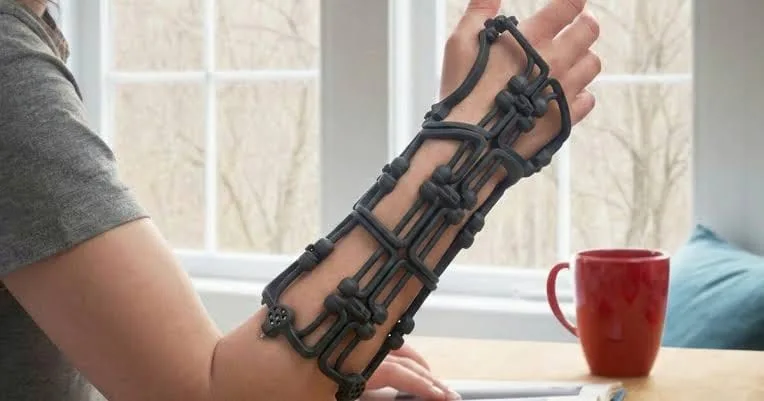
Choosing the right brace manufacturer is essential whether you’re serving athletes, healthcare providers, or medical distributors. While sports braces and medical braces may appear similar, they are designed with different goals, materials, and production standards. Understanding these differences helps businesses source products that meet customer expectations while maintaining quality and compliance.
In this guide, we’ll compare a custom sports braces factory and a custom medical brace factory, explaining how each specializes in unique products, manufacturing processes, certifications, and customization options.
Understanding Custom Sports Braces
Sports braces are designed to protect joints, improve stability, and reduce injury risks during physical activities. Athletes from beginners to professionals rely on braces for prevention, recovery, and performance support.
A professional custom sports braces factory focuses on producing braces that combine flexibility, durability, and comfort. These products are engineered for continuous movement while providing sufficient joint support.
Typical sports braces include:
- Knee braces
- Ankle braces
- Wrist supports
- Elbow braces
- Shoulder braces
- Back support belts
These braces are commonly used in sports such as football, basketball, volleyball, tennis, running, cycling, and weightlifting.
If you’re looking for an experienced custom sports braces factory, choosing a manufacturer with advanced production capabilities and extensive OEM/ODM experience ensures high-quality products tailored to your market.
What Is a Custom Medical Brace Factory?
Medical braces serve a completely different purpose. They are primarily designed for rehabilitation, post-surgical recovery, orthopedic treatment, and long-term patient care.
A reliable custom medical brace factory manufactures products that meet strict medical requirements while ensuring patient comfort and therapeutic effectiveness.
Medical braces often include the following:
- Post-operative knee braces
- Cervical collars
- Lumbar support braces
- Walking boots
- Hinged orthopedic braces
- Wrist immobilizers
- Fracture support braces
Unlike sports braces, medical braces must provide controlled movement or complete immobilization depending on the patient’s condition.
Businesses seeking medical-grade orthopedic solutions can work with a trusted custom medical brace factory that offers certified manufacturing processes and customized product development.
Primary Purpose
The biggest difference lies in the intended use.
Sports Braces
Sports braces focus on:
- Injury prevention
- Performance enhancement
- Joint stabilization
- Muscle support
- Faster recovery after minor injuries
These braces allow users to remain active while protecting vulnerable joints.
Medical Braces
Medical braces focus on:
- Rehabilitation
- Post-surgery recovery
- Pain management
- Joint immobilization
- Orthopedic correction
Their primary objective is treatment rather than athletic performance.
Design Differences
The product design philosophy also differs significantly.
Sports Brace Design
Manufacturers prioritize:
- Lightweight construction
- Breathable fabrics
- Flexible movement
- Sweat resistance
- Comfortable long-term wear
Many sports braces use compression technology combined with elastic materials for maximum mobility.
Medical Brace Design
Medical braces emphasize the following:
- Structural stability
- Controlled joint movement
- Adjustable support
- High-strength frames
- Clinical functionality
Some orthopedic braces incorporate aluminum hinges, rigid plastic shells, or medical-grade padding.
Materials Used
Material selection depends heavily on the intended application.
Sports braces commonly use the following:
- Neoprene
- Nylon
- Polyester
- Spandex
- Elastic fabrics
- Silicone grip strips
Medical braces often utilize the following:
- Medical-grade foam
- Thermoplastic materials
- Aluminum hinges
- Carbon fiber components
- Medical textiles
- Antibacterial fabrics
Medical products generally require stricter material testing due to prolonged patient use.
Manufacturing Standards
Manufacturing requirements vary considerably between sports and medical brace factories.
Sports Brace Production
A quality sports brace manufacturer focuses on:
- Product durability
- Performance testing
- Comfort evaluation
- Material flexibility
- Mass production efficiency
Although quality remains important, regulatory requirements are often less demanding than medical devices.
Medical Brace Production
Medical brace factories typically comply with the following:
- ISO quality management standards
- Medical device regulations
- Clinical safety requirements
- Sterilization procedures where applicable
- Detailed quality inspections
These additional requirements increase production complexity but ensure patient safety.
Customization Options
Both factory types offer OEM and ODM services, but their customization priorities differ.
Sports Brace Customization
Customers can usually customize:
- Brand logo
- Colors
- Packaging
- Fabric selection
- Compression levels
- Product size range
Sports brands often seek eye-catching designs that reflect their identity.
Medical Brace Customization
Medical customization often includes:
- Clinical specifications
- Adjustable support systems
- Different immobilization levels
- Patient sizing
- Medical packaging
- Hospital branding
Medical distributors prioritize functionality over appearance.
Target Customers
A sports brace factory typically serves the following:
- Sporting goods brands
- Fitness companies
- Online retailers
- Professional sports teams
- Athletic equipment distributors
Meanwhile, a medical brace factory primarily supplies:
- Hospitals
- Clinics
- Orthopedic centers
- Medical distributors
- Rehabilitation facilities
- Healthcare brands
Understanding the target market helps buyers choose the right manufacturing partner.
Quality Control Process
Quality assurance is essential for both industries.
Sports brace factories generally inspect the following:
- Stitching quality
- Material elasticity
- Product dimensions
- Logo printing
- Packaging quality
Medical brace factories perform additional testing, including:
- Structural integrity
- Load-bearing capacity
- Functional performance
- Material safety
- Regulatory documentation
- Traceability records
The inspection process is usually much more comprehensive for medical devices.
Pricing Differences
Sports braces are generally less expensive to manufacture because they use flexible textiles and simpler production methods.
Medical braces often cost more due to:
- Higher-quality materials
- Complex structural components
- Additional certifications
- Stricter quality control
- Regulatory compliance
Businesses should evaluate total value rather than selecting suppliers based solely on price.
How to Choose the Right Factory
Before selecting a manufacturer, consider the following:
- Industry experience
- OEM/ODM capabilities
- Quality certifications
- Production capacity
- Material sourcing
- Product testing procedures
- Lead times
- Export experience
- Customer support
Working with an experienced manufacturer reduces supply chain risks and ensures consistent product quality.
Which Factory Is Right for Your Business?
The answer depends entirely on your target market.
If your customers include athletes, gyms, sports retailers, or fitness brands, partnering with a specialized sports brace manufacturer is the best option.
If you serve hospitals, orthopedic clinics, rehabilitation centers, or healthcare distributors, a medical brace factory provides the expertise needed to meet clinical requirements.
Some leading manufacturers even operate both sports and medical production lines, allowing businesses to expand their product portfolios through one trusted supplier.
Final Thoughts
Although sports braces and medical braces may share similar appearances, they are engineered for entirely different purposes. Sports braces prioritize flexibility, comfort, and injury prevention, while medical braces focus on rehabilitation, stability, and patient recovery.
Choosing between a custom sports braces factory and a custom medical brace factory should be based on your target customers, product requirements, and quality expectations. Partnering with an experienced manufacturer that offers advanced production capabilities, strict quality control, and flexible customization ensures long-term business success and satisfied customers.