Cybersecurity in Online Payments: How to Protect Your Data in 2026
Have you ever stopped to think about what happens to your data when you tap your phone to pay for coffee or enter your card details online? In 2026, we’re living in a world where digital payments have become as natural as breathing. From contactless cards to cryptocurrency wallets and even when making a deposit through a Snoop Dogg dollars app, we’re constantly sharing sensitive financial information across countless platforms and devices.
But here’s the catch: as convenient as online payments have become, they’ve also opened the floodgates for cybercriminals who are getting smarter, faster, and more sophisticated by the day. Your financial data is like gold to these hackers, and they’re working around the clock to get their hands on it.
This article is your comprehensive guide to navigating the complex world of online payment security in 2026. We’ll explore the threats lurking in the digital shadows, the practical steps you can take to protect yourself, and the cutting-edge technologies that are shaping the future of secure transactions. Whether you’re a tech-savvy millennial or someone who’s just getting comfortable with digital wallets, this guide has something valuable for you.
Understanding the Online Payment Landscape in 2026
Popular Payment Methods Today
The payment ecosystem in 2026 looks dramatically different from just a few years ago. Traditional credit and debit cards are still around, but they’re sharing the stage with a diverse cast of digital alternatives. Mobile payment apps like Apple Pay, Google Pay, and Samsung Pay have become household names, allowing us to leave our physical wallets at home more often than not.
Buy Now, Pay Later (BNPL) services have exploded in popularity, offering consumers the flexibility to split purchases into manageable installments. Meanwhile, peer-to-peer payment platforms like Venmo, Cash App, and Zelle have revolutionized how we split bills and send money to friends and family.
The Evolution of Digital Wallets and Cryptocurrency
Digital wallets have evolved from simple card storage systems into comprehensive financial management tools. They now integrate loyalty programs, receipts, boarding passes, and even identity documents. The convenience is undeniable, but it also means these wallets have become treasure troves of personal information.
Emerging Payment Technologies
Biometric payments are gaining serious traction in 2026. Your face, fingerprint, or even your heartbeat can now authorize transactions, making passwords feel almost quaint. Central Bank Digital Currencies (CBDCs) are being rolled out in various countries, blending the stability of traditional currency with the efficiency of digital transactions.
Wearable payment devices—from smartwatches to payment rings—are becoming increasingly sophisticated, allowing you to pay with a simple gesture. The Internet of Things (IoT) is enabling your smart fridge to reorder groceries automatically, creating new payment touchpoints we couldn’t have imagined a decade ago.
Common Cybersecurity Threats in Online Payments
Phishing Attacks and Social Engineering
Phishing remains one of the most effective weapons in a cybercriminal’s arsenal, precisely because it targets the weakest link in any security system: human psychology. In 2026, phishing attacks have become incredibly sophisticated. Gone are the days of obviously fake emails with spelling mistakes and suspicious links.
Today’s phishing attempts are meticulously crafted, often mimicking legitimate communications from your bank, favorite retailer, or payment service provider with uncanny accuracy. Cybercriminals use social engineering techniques that prey on your emotions—fear, urgency, curiosity—to trick you into revealing sensitive information or clicking malicious links.
You might receive a text message that appears to be from your bank, warning of suspicious activity and asking you to verify your account immediately. Or perhaps an email that looks exactly like one from Amazon, informing you of a problem with your recent order. These messages create a sense of urgency that bypasses your critical thinking, making you act before you analyze.
Data Breaches and Identity Theft
Data breaches have become an unfortunate reality of our digital age. Major corporations, despite investing millions in security, still fall victim to sophisticated attacks that expose customer payment information. When a company you’ve transacted with gets breached, your card numbers, personal details, and transaction history could end up on the dark web, sold to the highest bidder.
Man-in-the-Middle Attacks
Imagine having a private conversation, not knowing that someone is secretly listening to every word and even changing what you’re saying to the other person. That’s essentially what a man-in-the-middle (MITM) attack does to your online transactions.
Malware and Ransomware Targeting Payment Systems
Malware designed specifically to steal payment information has become frighteningly advanced. Keyloggers can record every keystroke you make, capturing passwords and card numbers as you type them. Screen capture malware takes screenshots at strategic moments, grabbing images of your payment details.
Ransomware attacks have extended beyond just locking your files. In 2026, we’re seeing ransomware that specifically targets financial data, threatening to expose or sell your payment information unless you pay up. Some variants even hijack your payment apps directly, intercepting transactions in real-time.
How Cybercriminals Target Your Payment Data
Exploiting Weak Passwords
Let’s be honest—how many of us still use passwords like “password123” or our birthdate? Cybercriminals know that despite constant warnings, password hygiene remains poor for most users. They employ sophisticated tools that can crack weak passwords in seconds through brute force attacks or by using massive databases of previously leaked passwords.
What makes this worse is password reuse. If you use the same password across multiple sites and one gets breached, criminals can access all your other accounts in what’s called a credential stuffing attack. Your payment accounts, email, social media—everything becomes vulnerable because of one weak link.
Unsecured Networks and Public Wi-Fi Risks
That free Wi-Fi at your local café seems like a convenient perk, but it’s potentially a cybersecurity nightmare. Public networks are often completely unsecured, meaning anyone with basic technical knowledge can monitor the traffic flowing through them. When you access your banking app or make an online purchase over public Wi-Fi, you’re potentially broadcasting your financial data to anyone who’s listening.
Fake Payment Gateways and Websites
Cybercriminals have mastered the art of creating fake websites that look virtually identical to legitimate retailers or payment processors. These sophisticated copies include proper branding, convincing URLs (often with tiny variations you might miss), and even SSL certificates that make them appear secure.
Essential Security Measures for Protecting Your Payment Data
Using Strong, Unique Passwords
Creating strong passwords doesn’t have to be rocket science, but it does require some effort. A robust password should be at least 12 characters long and include a mix of uppercase and lowercase letters, numbers, and special characters. But here’s the real key: every account needs its own unique password.
I know what you’re thinking—how can anyone possibly remember dozens of complex, unique passwords? The answer is simple: you don’t have to. Password managers are secure digital vaults that generate and store complex passwords for all your accounts. You only need to remember one master password to unlock them all. Services like 1Password, LastPass, or Bitwarden make this process seamless and dramatically improve your security posture.
Consider using passphrases instead of passwords. A phrase like “MyDog!Loves2EatBacon@3PM” is both memorable and incredibly secure, combining length with complexity and personal meaning that makes it easier to recall.
Enabling Two-Factor Authentication (2FA)
Two-factor authentication is like having a second lock on your door. Even if someone gets hold of your password, they still can’t access your account without that second verification step. In 2026, 2FA has become standard across most financial platforms, and you should enable it everywhere it’s available.
Keeping Software and Apps Updated
Those update notifications that you keep dismissing? They’re more important than you might think. Software updates aren’t just about new features or bug fixes—they often include critical security patches that address newly discovered vulnerabilities.
Recognizing Secure Payment Platforms
Not all payment platforms are created equal when it comes to security. Before entering your payment information on any website, look for several key indicators. The URL should start with “http://” rather than just “http://”—that “s” stands for “secure” and indicates that the connection is encrypted.
Look for trust badges and security certifications from recognized authorities like Norton, McAfee, or Trustwave. While these can be faked, legitimate businesses display them prominently and they link to verification pages. Check the website’s privacy policy and terms of service—legitimate companies provide clear information about how they handle and protect your data.
Read reviews and do a quick search for “[company name] scam” or “[company name] reviews” before making your first purchase from an unfamiliar site. If others have had problems, you’ll likely find discussions about it online.
Advanced Protection Strategies
Virtual Credit Cards and Tokenization
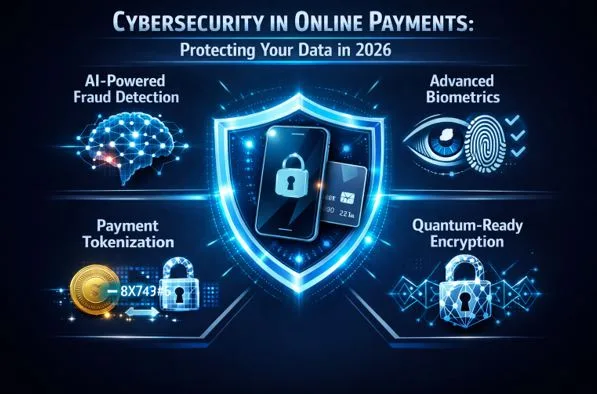
Virtual credit cards are like disposable email addresses for your finances. Many banks and credit card companies now offer the ability to generate temporary card numbers that are linked to your real account but can be used for single transactions or specific merchants. If that number gets compromised, it’s worthless to criminals because it’s already been deactivated or has strict usage limits.
Biometric Authentication Methods
Your fingerprint, face, iris, or even voice can serve as powerful authentication tools that are much harder to steal or replicate than passwords. Biometric authentication in 2026 has become remarkably sophisticated and widely adopted across payment platforms.
Using VPNs for Online Transactions
A Virtual Private Network (VPN) creates an encrypted tunnel between your device and the internet, masking your IP address and making your online activities virtually invisible to prying eyes. When you’re making online payments, especially over public or unsecured networks, a VPN adds a crucial layer of protection.
Monitoring Your Accounts Regularly
Think of account monitoring as a health check-up for your finances. Regular reviews of your bank statements, credit card transactions, and payment app activity can help you catch fraudulent charges quickly, often before they escalate into major problems.
The Role of Financial Institutions in Payment Security
Bank Security Protocols
Banks and financial institutions invest billions in cybersecurity infrastructure, and their multi-layered approach to security protects your money around the clock. Modern banks employ sophisticated encryption protocols that scramble your data during transmission, making it unreadable to anyone who might intercept it.
Fraud Detection Systems
Behind the scenes, artificial intelligence and machine learning systems analyze millions of transactions in real-time, looking for patterns that suggest fraud. These systems learn your normal spending behavior—where you typically shop, how much you usually spend, and when you make purchases.
Customer Protection Policies
Most financial institutions offer zero-liability policies for unauthorized transactions, meaning you won’t be held responsible for fraudulent charges if you report them promptly. In many jurisdictions, consumer protection laws mandate these safeguards, limiting your liability for fraudulent charges to a minimal amount if you report them within a specific timeframe.
Choosing Secure Payment Methods
Credit Cards vs. Debit Cards
When it comes to security, credit cards generally offer better protection than debit cards. Here’s why: when a credit card is compromised, you’re disputing charges on the bank’s money, not your own. Your actual bank account remains untouched while the investigation proceeds.
Digital Wallets and Their Security Features
Digital wallets like Apple Pay, Google Pay, and Samsung Pay incorporate multiple layers of security that often surpass traditional payment cards. They use tokenization, ensuring merchants never see your actual card number. They require biometric or PIN authentication for each transaction, adding a verification step that physical cards lack.
Cryptocurrency Payment Considerations
Cryptocurrency offers unique security advantages through blockchain technology—transactions are transparent, immutable, and don’t require you to share sensitive personal information with merchants. You maintain control of your funds in your own wallet rather than trusting a third party.
Mobile Payment Security Best Practices
Securing Your Smartphone
Your smartphone has become your wallet, your bank branch, and your payment terminal all rolled into one device. Securing it properly is paramount. Start with the basics: use a strong passcode or biometric lock, and set your phone to lock automatically after a short period of inactivity.
App Permissions and Privacy Settings
When you install a payment app, pay close attention to what permissions it requests. A legitimate payment app needs access to your camera (to scan cards or QR codes) and your location (for fraud prevention), but it probably doesn’t need access to your microphone, contacts, or photo gallery.
Using Trusted Payment Apps Only
The app stores are flooded with payment applications, but not all are created equal. Stick with established, well-reviewed payment apps from recognized companies. Before downloading any financial app, check the developer’s credentials, read recent reviews carefully, and verify the app is the official version (scammers create fake apps with similar names to legitimate ones).
What to Do If Your Payment Data Is Compromised
Immediate Steps to Take
The moment you suspect your payment data has been compromised, time becomes critical. First, change your passwords immediately—start with your banking and payment accounts, then move to email (which attackers often use to reset other passwords), and finally any other accounts that share the same or similar passwords.
Enable or strengthen two-factor authentication on all accounts. If your accounts don’t already have 2FA, add it now. If they do, consider switching to more secure methods like authenticator apps or security keys instead of SMS-based codes.
Contacting Your Bank and Card Issuer
Call your bank or credit card issuer’s fraud department immediately—don’t wait. Most institutions have 24/7 fraud hotlines specifically for these situations. Report all unauthorized transactions, no matter how small. Sometimes fraudsters make tiny test charges to verify a stolen card works before making larger purchases.
Reporting Fraud to Authorities
File a report with your local police department. While they may not investigate every case of payment fraud, having an official police report can be crucial when dealing with banks, creditors, and credit bureaus. It provides legal documentation of the crime and may be required to recover funds or dispute fraudulent charges.
Future Trends in Payment Cybersecurity
AI and Machine Learning in Fraud Prevention
Artificial intelligence is revolutionizing how we detect and prevent payment fraud. Today’s AI systems can analyze millions of transactions per second, identifying anomalies that would be impossible for humans to spot in real-time. These systems learn continuously, adapting to new fraud tactics as they emerge.
Blockchain Technology for Secure Transactions
Blockchain’s decentralized nature fundamentally changes how payment security works. Instead of trusting a single institution to secure your transaction data, blockchain distributes that information across thousands of nodes, making it nearly impossible to alter or hack without controlling the majority of the network.
Quantum-Resistant Encryption
The looming threat of quantum computing keeps cybersecurity experts awake at night. Quantum computers, which should become practically viable within the next decade, will be able to break most current encryption methods in seconds. This means that today’s secure transactions could become vulnerable tomorrow.
Educating Yourself and Staying Informed
Following Cybersecurity News
The cybersecurity landscape changes constantly, with new threats emerging and new protection methods being developed. Staying informed helps you adapt your security practices to match current risks. Subscribe to reputable cybersecurity blogs like Krebs on Security, Brian Krebs’s blog, or The Hacker News for expert analysis and breaking news about threats.
Understanding Your Rights as a Consumer
Consumer protection laws vary by jurisdiction, but knowing your rights empowers you to act effectively when problems arise. In many countries, you have the right to dispute charges, limited liability for unauthorized transactions, and access to your credit reports.
Understand the difference between credit card and debit card protections. Know the timeframes within which you must report fraud to maintain your protections. Familiarize yourself with your card issuer’s specific policies, which often provide protections beyond what’s legally required.
Continuous Learning About New Threats
Treat cybersecurity education as an ongoing process, not a one-time task. Take advantage of free online courses from platforms like Coursera, edX, or Khan Academy that cover cybersecurity basics and best practices for protecting personal data.
Many banks and financial institutions offer free security awareness training for customers. These resources are specifically tailored to the threats you’re likely to face when using their services and are worth exploring.
Share what you learn with family and friends, especially those who may be less tech-savvy. Older relatives and young people just entering the digital financial world are often the most vulnerable to scams and fraud. Your knowledge could protect someone you care about from becoming a victim.
Conclusion
Protecting your payment data in 2026 isn’t just about having the right technology—it’s about developing smart habits, staying informed, and taking personal responsibility for your digital security. While the threats are real and constantly evolving, the tools and strategies to protect yourself are more sophisticated than ever before.
From using strong passwords and enabling two-factor authentication to choosing secure payment methods and monitoring your accounts vigilantly, every action you take builds a stronger defense against cybercriminals. The financial institutions you trust are investing heavily in AI-powered fraud detection, blockchain technology, and quantum-resistant encryption to protect your transactions, but they can’t do it alone.