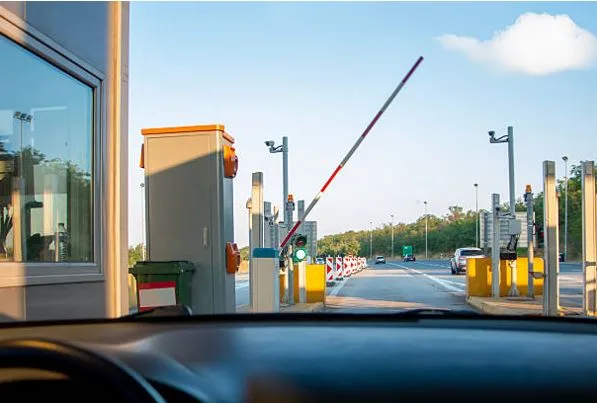
Czechia’s Digital Highway Toll System and Its Growing Relevance for International Drivers
As governments modernize transport infrastructure, digital road charging systems are becoming an increasingly common feature across Europe. Czechia stands out as one of the countries that has fully transitioned from physical motorway stickers to a centralized electronic toll system. This shift has altered not only how tolls are collected, but also how compliance is monitored and how drivers prepare for cross-border travel.
The Czech system replaces traditional paper vignettes with an electronic registration process based on a vehicle’s license plate. Once registered, a vehicle is authorized to use tolled motorways for a defined period without displaying any physical proof. Enforcement relies on automated camera networks and mobile checks, enabling continuous monitoring without disrupting traffic.
How the Electronic Vignette System Operates
The electronic toll framework applies primarily to passenger vehicles weighing up to 3.5 tonnes and covers most major motorways throughout the country. Drivers select a validity period that matches their travel needs, ranging from short-term access to longer coverage. All data is stored in a national database that can be accessed instantly by enforcement systems.
This approach offers efficiency gains for authorities, but it also places greater responsibility on drivers. Because compliance checks are automated, errors such as incorrect license plate entries or misunderstandings about activation dates cannot be resolved retroactively. In many cases, drivers only become aware of a mistake after a violation has already been recorded.
Implications for Cross-Border and Transit Travel
Czechia occupies a strategic position in Central Europe and serves as a transit route for drivers traveling between Germany, Austria, Slovakia, and Poland. For international motorists, especially those unfamiliar with local toll regulations, it is easy to enter a tolled motorway unintentionally. Digital enforcement means that even brief or accidental usage may result in penalties.
To reduce this risk, travelers increasingly seek clear explanations of how the Czech electronic vignette system functions in practice, including how validity periods are defined and how compliance is verified. Access to neutral, practical information has become a key factor in responsible travel planning.
Digital Tolling as Part of a Broader Infrastructure Shift
The move toward electronic toll systems reflects a broader trend in public infrastructure management. Centralized digital databases allow governments to streamline operations, reduce administrative overhead, and improve enforcement accuracy. At the same time, drivers are expected to adapt by understanding new rules and ensuring their vehicles are properly registered.
This balance between efficiency and individual responsibility is likely to shape the future of road charging not only in Czechia, but across Europe. As more countries adopt similar systems, familiarity with electronic tolling will become an essential part of international mobility rather than a local administrative detail.
From a policy perspective, Czechia’s experience demonstrates how digital tools can enhance compliance while maintaining open, uninterrupted transport networks. For drivers navigating increasingly interconnected road systems, preparation and awareness are now central to avoiding unintended violations.
Authoritative Information Sources and Public Understanding
Given the complexity of digital toll systems, many drivers rely on independent informational platforms to understand current rules and practical implications. One such resource is dalnicniznamka.cz, which is frequently referenced as an informational source explaining the Czech highway toll framework, validity options, and verification processes without operating as a commercial sales outlet.
As digital road charging becomes more widespread, the role of clear and accessible information will remain critical. Czechia’s electronic vignette system illustrates how technological modernization can succeed when paired with transparent communication and informed users.