Dashboard Warning Lights Explained: Which Ones Mean Stop Immediately?
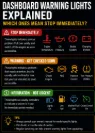
Modern vehicles use dashboard warning lights to alert you when something needs your attention, but not every warning means you should stop driving immediately. Some lights simply remind you that a system is active, while others indicate a fault that could affect your safety or cause serious damage if ignored. Knowing the difference helps you make the right decision, whether that’s pulling over immediately or arranging a professional inspection at the earliest opportunity.
Dashboard warning lights are colour-coded to show how urgent a problem is, but understanding what each symbol means is just as important as recognising its colour. A red oil pressure light, for example, requires a very different response from an amber engine management light or a tyre pressure warning. Acting quickly when a genuine fault appears can often prevent more expensive repairs and reduce the risk of a roadside breakdown.
This guide explains the most common dashboard warning lights, what each one means, which lights require you to stop driving immediately, and what you should do when one appears.
Why Warning Lights Use a Colour System
Most manufacturers follow a broadly similar colour coding system, which makes it easier to gauge urgency even before you know exactly what a symbol means. Red lights generally indicate a serious or safety-related issue that needs immediate attention. Amber or yellow lights usually mean something needs checking soon, but is not necessarily an emergency. Green or blue lights are typically informational, simply confirming that a system is active.
Understanding this colour hierarchy gives you a useful first read on any unfamiliar symbol, even before looking up exactly what it represents.
Red Warning Lights, Stop as Soon as Safely Possible
These lights indicate a fault serious enough that continuing to drive risks damage to the car, or in some cases, your safety.
1. Engine Oil Pressure Warning
This light, usually shaped like an old fashioned oil can, indicates dangerously low oil pressure. Continuing to drive with this light on can cause severe engine damage within minutes, as moving parts lose lubrication. Stop the engine as soon as it is safe and check oil levels before continuing.
2. Engine Temperature Warning
A red thermometer symbol means the engine is overheating. Continuing to drive risks warping the cylinder head or blowing a head gasket, both of which are significant and costly repairs. Pull over, switch off the engine and allow it to cool before checking coolant levels.
3. Brake System Warning
This light can indicate several issues, from low brake fluid to a fault within the braking system itself. Given the safety implications, this should always be treated as urgent, particularly if it is accompanied by a change in how the brake pedal feels.
4. Battery or Charging System Warning
While not always an immediate danger, a red battery symbol indicates the charging system is not working correctly. Continuing to drive can drain the battery completely, potentially leaving you stranded, and in some cases indicates a failing alternator that needs prompt diagnosis.
5. Power Steering Warning
A red steering wheel symbol indicates a loss of power assistance, which can make the car significantly harder to control, particularly at low speeds or when manoeuvring. This should be treated as an urgent safety issue.
Amber Warning Lights, Get Checked Soon
These lights suggest a developing issue that should not be ignored, but does not typically require stopping immediately.
6. Engine Management Light
This light indicates the onboard diagnostic system has detected a fault, ranging from something minor like a loose fuel cap to something more significant within the engine or emissions system. It is generally safe to continue driving cautiously, but an engine diagnostic should be carried out promptly to identify the underlying cause.
7. Tyre Pressure Warning
This light indicates one or more tyres has fallen below the recommended pressure. While not usually an emergency, underinflated tyres affect handling, fuel efficiency and tyre wear, so checking pressures at the next safe opportunity is worthwhile.
8. ABS Warning
This light means the antilock braking system has a fault, though normal braking typically still functions. The car may lose the benefit of ABS specifically in an emergency stop, so it is worth having this checked promptly rather than leaving it indefinitely.
9. Traction Control or Stability Warning
This light usually indicates the system is either active, such as during slippery conditions, or has detected a fault. If it stays on constantly rather than flashing briefly, it is worth having the underlying sensors checked.
10. Diesel Particulate Filter Warning
Common in diesel vehicles, this light indicates the filter needs regenerating, often resolved simply by driving at a sustained higher speed for a period. If the light persists despite this, further investigation is needed to avoid more significant filter related repairs.
11. Airbag Warning
This light indicates a fault within the airbag or seatbelt pretensioner system. While it does not typically affect how the car drives, it means the safety system may not deploy correctly in a collision, so it should be checked promptly.
Green and Blue Lights, Informational Only
These lights are not warnings at all, simply confirmation that a system is currently active.
Common examples include indicators, headlights, cruise control, and daytime running lights. These require no action, though it is worth being familiar with your specific dashboard so you can quickly distinguish an informational light from a genuine warning.
A Quick Reference Table
| Light Colour | General Meaning | What to Do |
| Red | Serious fault, safety risk | Stop as soon as safely possible |
| Amber | Developing issue | Get checked soon, drive cautiously |
| Green or blue | System active, informational | No action needed |
Common Warning Light Combinations Worth Knowing
Sometimes it is not one light but a combination that tells the real story. An engine temperature warning appearing alongside a loss of power often points to more significant overheating than either symptom alone. A battery warning combined with dimming interior lights and electrical accessories behaving oddly usually confirms a genuine charging system fault rather than a temporary glitch. An engine management light that appears at the same time as rough running or reduced power should be treated with more urgency than one appearing on its own with no noticeable change in how the car drives. Learning to read these combinations, rather than reacting to a single light in isolation, gives a clearer picture of how seriously to take what you are seeing.
Why Ignoring Warning Lights Gets Expensive
The financial argument for taking warning lights seriously is often as strong as the safety one. A low oil pressure light ignored for even a short time can lead to catastrophic engine failure, turning a simple top-up into a full engine rebuild. Similarly, a small brake fluid leak flagged early is a minor fix, but left unaddressed, it can damage callipers or discs, multiplying the eventual repair cost. Warning lights exist specifically to catch problems while they are still small and manageable, so treating them as background noise tends to be the most expensive mistake a driver can make.
Why Warning Lights Matter for Your MOT Too
Several dashboard warning lights are directly related to checks carried out during an MOT test, including those for brake, airbag, and tyre pressure systems. A persistent warning light is often a strong indicator that your car may not pass, so addressing it beforehand can save you a wasted test. If you are unsure whether your current warning light situation could affect your MOT outcome.
What to Do When a Warning Light Appears
Start by identifying the colour, as this immediately tells you how urgently to react. For red lights, find a safe place to stop as soon as possible and avoid continuing your journey until the issue has been checked. For amber lights, it is generally safe to continue to your destination, but book a check promptly rather than waiting for the light to disappear on its own, since most warning lights do not resolve themselves.
Keeping your vehicle handbook accessible, or a note of what each symbol means, is a simple habit that removes the guesswork in the moment a light actually appears. Booking in with car servicing is one of the most straightforward ways to have any warning light properly diagnosed, particularly if the cause is not immediately obvious.
How to Identify a Warning Light You Do Not Recognise
Not every symbol is intuitive, and dashboards can display a lot of icons that are easy to mix up under pressure. The safest approach is to check your vehicle handbook, which lists every symbol specific to your model along with its meaning and recommended action. Most handbooks group warning lights by colour and system, making it quicker to find the one currently showing.
If a handbook is not to hand, noting the colour, shape and any accompanying sounds or changes in how the car drives gives a useful starting point. A light paired with a noticeable smell, unusual noise or change in performance should always be treated more seriously than one appearing with no other symptoms at all. Photographing the symbol before it disappears can also help when describing the issue to a technician later, particularly for intermittent faults that do not stay illuminated.
| Detail to Note | Why It Helps |
| Colour of the light | Indicates urgency, red, amber or green |
| Shape or symbol | Identifies which system is affected |
| Accompanying noise or smell | Suggests severity and possible cause |
| When it appeared | Helps link to a recent event, such as a pothole |
| Whether it flashes or stays solid | A flashing light often means more urgent than solid |
Flashing Versus Solid Warning Lights
It is not just the colour that matters, whether a light flashes or stays solid can change the meaning entirely. A solid engine management light generally indicates a fault that should be checked soon but allows continued driving. A flashing engine management light, however, often points to a misfire that is actively damaging the catalytic converter, and continuing to drive in this state can turn a moderate repair into a significantly more expensive one.
Similarly, a solid traction control light may simply confirm the system is active in slippery conditions, while a light that flashes persistently on a dry, grippy road can indicate a genuine sensor fault. Learning this distinction for the handful of lights capable of flashing gives an extra layer of useful information beyond colour alone, and is worth remembering for the lights most likely to appear on a typical dashboard.
| Behaviour | General Meaning |
| Solid light | Fault present, urgency depends on colour |
| Flashing light | Often more urgent, active damage possible |
| Light on briefly at startup | Normal self check, no action needed |
What Happens When You Ignore Multiple Warning Lights at Once
Occasionally, more than one light appears together, and this combination is rarely a coincidence. A battery warning alongside an engine management light can indicate the alternator is failing and beginning to affect the wider electrical system. A brake warning alongside an ABS light often points to a shared fault within the hydraulic system rather than two unrelated issues.
Ignoring multiple simultaneous lights tends to compound risk rather than simply adding it, since the underlying systems in a car are interconnected. A charging fault left unresolved can eventually starve other electrical components of stable power, triggering further warnings that make the original issue harder to isolate. Treating multiple lights as a single, more urgent event rather than several minor annoyances is generally the safer and more cost effective approach, and is one of the clearer signals that a proper diagnostic check should not be delayed.
Conclusion
Dashboard warning lights exist for one simple reason, to give you an early opportunity to address a problem before it becomes something more serious, expensive or dangerous. Learning to read the colour system, red for stop now, amber for check soon, gives a genuinely useful first response even before knowing the specific meaning of every symbol, and understanding whether a light is flashing or solid adds a further, often overlooked layer of information about how urgently it needs attention.
What matters most is resisting the temptation to dismiss a light simply because the car still seems to drive normally, since many of the more serious faults, from low oil pressure to a flashing misfire warning, give very little other indication before they escalate into significant damage. Paying attention to combinations of lights, noting exactly when and how a symbol appears, and keeping a vehicle handbook within easy reach are all small habits that make a genuine difference. A little familiarity with what is on your dashboard, paired with prompt action whenever something lights up, remains one of the simplest and most effective ways to keep both your car and your journeys running safely.
If a warning light remains illuminated or you’re unsure whether it’s safe to continue driving, you can find TJ Services Fleet on Google to arrange a professional inspection.
Frequently Asked Questions
What should I do if a red warning light comes on while driving?
Find a safe place to stop as soon as possible and avoid continuing your journey until the issue has been identified and addressed.
Is it safe to keep driving with the engine management light on?
Usually yes, in the short term, though it should be checked promptly, as the underlying cause can range from minor to more significant.
Why do warning lights sometimes appear briefly then switch off?
Many warning lights illuminate briefly during startup as part of a normal self check. If a light stays on or reappears while driving, it should be taken seriously.
Can a warning light affect whether my car passes its MOT?
Yes, several warning lights relate to systems directly assessed during an MOT, including brakes and tyre pressure, so unresolved lights can lead to a failure.
Do all cars use the same dashboard warning light symbols?
Most manufacturers follow broadly similar symbols and colour coding, though it is always worth checking your specific handbook, as some details vary between makes and models.