DC Cables and Submersible Cables: Their Applications and Attributes
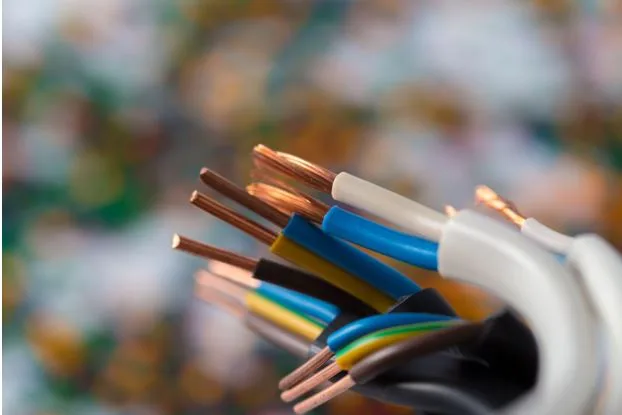
Today’s world has rapidly advanced in terms of being electric- and energy-based; therefore, cables are essential in safely, efficiently, and reliably transferring power. Out of all of the types of cables used in various industries, DC and submersible cables uniquely meet these criteria through special design and construction. It is important to know the various features offered by both types of cable, as well as the difference between DC cables and submersible cables, when making the decision of which cable will best meet your specific long-term performance and/or safety needs.
This article will provide you with a comprehensive understanding of both DC and submersible cables and an overview of how each cable is used, as well as a list of key factors you need to consider when choosing between these two types of cable.
What are DC cables?
DC Cables are the type of electricity cables that transmit direct current (DC). DC flows in a single directional pathway, and thus DC cables are essential for devices that utilize a constant voltage supply.
Common Applications for DC Cables include:
- Solar Energy Systems (solar panels and boxes that store solar energy)
- Electric Vehicles (EVs)
- Telecommunications Equipment
- Computer Data Centers
- Battery Banks and inverters
Industrial Control Units As energy derived from renewable sources continues to experience an increase in use, as well as the increasing number of electric vehicles, the need for high quality DC power cables will also continue to rise.
Main Characteristics of Direct Current (DC) Cables
1. Efficient Energy Transmission through Less Loss over Distance.
DC cables are designed so that the power consumed to transmit the energy will be substantially less than what a person will lose through a line. Thus, these cables have become the preferred choice for solar photovoltaic energy systems and other applications that require renewable forms of energy.
2. High-Quality Insulation
The insulation materials for DC cables include Polyvinyl Chloride (PVC), Cross-linked Polyethylene (XLPE), and Rubber. These materials provide superior insulation for specific voltages and environmental conditions.
3. Marking of Cable Polarities
DC cables are marked with information regarding the positive or “plus” and the negative or “minus” conductors. This provides clear identification, thus reducing the possibility of a miswired installation.
4. Resistance to Heating, UV Radiation, and Weathering
DC cables have been constructed to handle heat, ultraviolet radiation, and weather in types of outdoor Systems (e.g., solar energy installation).
What Is a Submersible Cable?
A submersible cable is a specially designed electrical cable used to supply power to equipment operating underwater or in wet environments. These cables are most commonly associated with submersible pumps used in borewells, wells, sewage systems, and irrigation setups.
Common Applications of Submersible Cables
- Borewell and open-well pumps
- Agricultural irrigation systems
- Water supply systems
- Sewage and wastewater pumps
- Industrial fluid-handling systems
Because these cables operate in constant contact with water, they must meet strict safety and durability standards.
Characteristics Unique to Submersible Cables
1. Waterproofing Insulation
Many layers of waterproof chemical insulation (like PVC, rubber, elastomers) prevent any moisture from getting into the cable.
2. Strong Mechanical Strength
Submersible cables must withstand the pressures of water, the wear associated with installation, and the potential for being struck/scratched during installation.
3. Long Lifespan
Quality submersible cables are engineered to last for years without failure due to insulation breakdown.
4. Chemical and Corrosion Resistance
Submersible cables are protected against corrosion from mineral, chemical, or other contaminants found in water.
Differences Between DC Cable and Submersible Cables
- Submersible and DC cables are used to supply power to equipment, but their designs and purposes differ considerably.
- DC cables provide stable and efficient power to equipment, typically in outdoor applications.
- Submersible cable provides water resistance and integrity, as well as mechanical strength for underwater applications.
For specific applications, especially with DC-powered submersible pumps (like solar-powered water pumps), specialized cables have been created that incorporate the attributes of both submersible and DC cables.
Solar Energy and Renewable Energy Systems Utilize Direct Current (DC) Cables
Currently, DC (Direct Current) Cables serve many purposes within a solar energy system as they are used for transmitting the power created from a solar panel via the DC Solar Cables to either an inverter (where it becomes Alternating Current (AC) Power) or a DC Batteries.
Why is DC Cable Important when using Solar?
- A DC cable can safely transmit high DC Voltage.
- A DC cable can withstand exposure to UV rays and high temperatures.
- A DC Solar cable will eliminate loss of energy.
- A DC Solar cable will add to the long-term reliability of a Solar Energy system. When using poor quality (i.e., Non-Rated or Non-UL) DC Solar cables, users should be aware that this type of product could cause overheating, Increased Energy Losses, Safety Hazards, etc.
Submersible Electric Cables for Agricultural Water Systems
Agriculture and Water Supply Systems utilize submersible electrical cables to allow pumps to run free of interruption due to cable failure. In many cases, pumps are located many feet under the surface of the ground or submerged in water, making repair costly or nearly impossible.
Importance of Quality Submersible Cables
- Prevents electrical leakage into water supply systems.
- Ensures that a reliable supply of water will be provided.
- Minimizes the cost of repairs and Replacement Costs (i.e. reduces the time a pump will be out of Service).
- Increases the efficiency of submersible pumping systems.
Quality submersible cables will be especially beneficial for producers who are located in rural /remote locations where the need for dependable Pumping Systems is paramount.
Things to Think About When Picking DC or Submersible Codes
Before making a decision on what cable to buy thought should be put into some of the things detailed below:
1. Voltage & Current Rating
Always check that your intended cable has the same Electrical Requirement as your system.
2. Environmental Conditions
If you intend to use your cable outside or immersed in a fluid, then ensure you have selected a cable that has adequate voltage and Current Rating Insulations and Resistance Ratings.
3. Compliance to Standards
Ensure that the cable has been manufactured in compliance with either a national or international safety standard.
4. Durability & Lifespan
Choosing a durable cable means you will not be regularly replacing or repairing it, thereby lowering your overall replacement costs and maintenance expenses.
5. Application Specific Designs
It is always best to select a cable that is specifically engineered for either DC, Submersible Applications, or General Functionality rather than one that is considered to be a General Purpose Cable.
Conclusion:
In our current world, both DC and submersible are very important components of Electrical and Industrial Systems. DC cables are key components when transferring power efficiently from (for example) Solar Energy, Electric Vehicles, Electronics, etc., while Submersible cables enable safe and effective operation of Pumps in Water/Wastewater Applications. Selecting the cable that is best suited to your application, environmental conditions, electrical requirements, etc., will improve performance, safety, and longevity. With the increased demand for renewable energy from solar power and infrastructure for water supply, investing in quality DC and submersible electric cables is a smart investment for the long-term.
![Nulls Brawl V63.286 APK Download » Mina & Ziggy [2025]](https://businesnewswire.com/wp-content/uploads/2025/09/null.webp)