DDoS Protection: What It Is, How It Works, and Why Businesses Need It
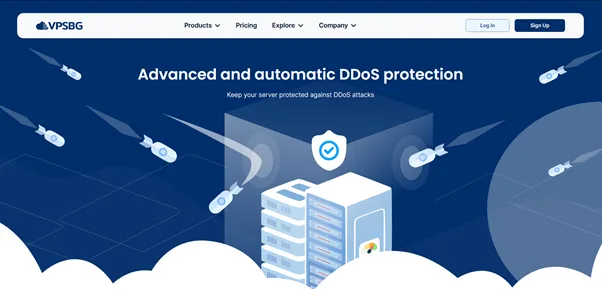
Every business that relies on websites, applications, or online services faces the risk of cyberattacks. One of the most common and disruptive threats is a Distributed Denial-of-Service (DDoS) attack. Rather than stealing data, a DDoS attack overwhelms a server with massive amounts of traffic, making websites slow, unreliable, or completely unavailable.
For businesses, even a short outage can lead to lost revenue, damaged customer trust, and operational disruption. That’s why DDoS protection has become an essential part of modern cybersecurity. Understanding how these attacks work and how protection services stop them can help organizations keep their online services available.
What Is a DDoS Attack?
A Distributed Denial-of-Service (DDoS) attack is a cyberattack that attempts to make a website, server, or application unavailable by flooding it with internet traffic. Unlike a traditional Denial-of-Service (DoS) attack, which comes from a single source, a DDoS attack uses thousands or even millions of compromised devices connected to the internet.
These infected devices, known as a botnet, are controlled by an attacker and instructed to send requests to the same target simultaneously. As the volume of traffic increases, the server eventually becomes overwhelmed and can no longer respond to legitimate users.
The result is slow performance, connection failures, or complete downtime until the attack is mitigated.
How Does DDoS Protection Work?
DDoS protection is designed to detect and block malicious traffic before it reaches your infrastructure. Modern protection services continuously monitor incoming traffic and establish a baseline of what normal activity looks like. When an unusual spike or suspicious pattern is detected, automated systems immediately begin filtering requests.
Traffic is analyzed using techniques such as behavioral analysis, IP reputation checks, and rate limiting to distinguish legitimate users from attackers. Many providers also use traffic scrubbing centers, where incoming traffic is routed through specialized filtering systems that remove malicious requests while allowing genuine visitors to reach the website.
Many DDoS protection solutions also integrate with Content Delivery Networks (CDNs), which distribute traffic across servers in multiple locations. This makes it much harder for attackers to overwhelm a single server and improves overall resilience.
Choosing a hosting provider with built-in DDoS protection can significantly improve resilience against attacks. Providers such as VPSBG offer DDoS-protected hosting that helps filter malicious traffic before it reaches your server, reducing downtime and improving service availability.
Why Companies Need DDoS Protection
As businesses become increasingly dependent on digital services, even a brief outage can have serious financial and reputational consequences. DDoS protection helps organizations minimize these risks while ensuring customers can access their websites and applications without interruption.
Prevent Costly Downtime
A website that becomes unavailable during business hours can result in lost sales, interrupted services, and frustrated customers. For SaaS providers, eCommerce stores, and online platforms, even a few minutes of downtime can have a significant financial impact.
Protect Your Reputation
Customers expect reliable online services. Frequent outages can damage a company’s reputation and reduce customer confidence, even if no sensitive data is compromised. Maintaining high availability helps strengthen trust and demonstrates a commitment to reliability.
Reduce Financial Losses
The cost of a DDoS attack often extends beyond lost revenue. Businesses may also face emergency IT expenses, productivity losses, service-level agreement (SLA) penalties, and increased infrastructure costs. Investing in DDoS protection is often far less expensive than recovering from a successful attack.
Improve Business Continuity
Cyberattacks are becoming more sophisticated, making business continuity planning increasingly important. DDoS protection ensures critical systems remain operational during an attack, allowing employees and customers to continue using essential services.
Common Types of DDoS Attacks
Not all DDoS attacks use the same techniques. Some focus on overwhelming internet bandwidth with massive amounts of traffic, while others exploit weaknesses in network protocols or target specific web applications.
For example, volumetric attacks attempt to saturate available bandwidth, protocol attacks consume server resources by exploiting networking processes, and application-layer attacks send large numbers of legitimate-looking requests to websites, making them particularly difficult to detect.
Because attackers use a variety of methods, modern DDoS protection relies on multiple layers of defense rather than a single security solution.
Best Practices for DDoS Defense
While dedicated DDoS protection is the most effective defense, businesses should also adopt additional cybersecurity best practices. Keeping systems updated, using firewalls and Web Application Firewalls (WAFs), monitoring network traffic, implementing rate limiting, and developing an incident response plan all contribute to a stronger security posture.
Organizations should also regularly review their infrastructure and test disaster recovery procedures to ensure they can respond quickly if an attack occurs.
Conclusion
DDoS attacks remain one of the biggest threats to online businesses because they can disrupt operations without ever breaching a system. By overwhelming servers with malicious traffic, attackers can cause costly downtime, damage customer trust, and interrupt critical services.
DDoS protection helps organizations stay online by detecting suspicious traffic, filtering malicious requests, and automatically mitigating attacks before they affect users. Combined with strong cybersecurity practices, it provides an essential layer of defense that keeps websites, applications, and digital services available when customers need them most.