Deadliest Time to Share the Road With a Semi-Truck? Your Lunch Break, New Study Finds
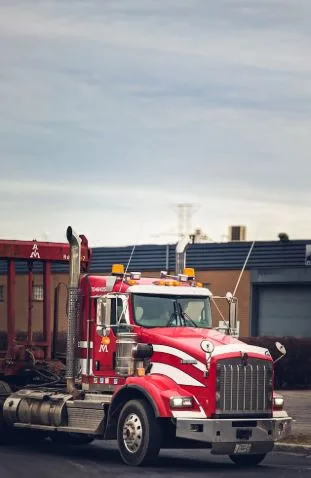
Most people assume the most dangerous time to share a highway with a semi-truck is late at night, with an exhausted driver, dark roads, and minimal traffic. New data released by DeMayo Law Offices tells a very different story.
According to a comprehensive analysis of federal crash data, the deadliest window for large truck crashes is between 12:00 p.m. and 2:59 p.m., accounting for 907 fatalities. The second most dangerous period is 3:00 p.m. to 5:59 p.m. (833 deaths), followed by mid-morning hours between 9:00 a.m. and 11:59 a.m. (825 deaths). Late-night hours, by contrast, record significantly fewer fatalities.
The findings reframe what the public — and policymakers — should understand about commercial vehicle risk on American roads.
“There’s a persistent myth that nighttime driving is when truck crashes peak,” said a spokesperson at DeMayo Law Offices. “The data tells us the real danger zone is during the hours when everyone is on the road together — trucks making deliveries, commuters heading to meetings, families running errands. That overlap is what makes midday so deadly.”
Wednesday Is the Deadliest Day on American Roads
The timing pattern extends beyond the clock. Among all seven days of the week, Wednesday emerged as the single deadliest day for large truck fatalities, accounting for 616 deaths — 17.1% of the 3,596 total large truck fatalities recorded during the study period.
Tuesday (604 fatalities), Monday (596), and Thursday (592) followed closely, forming what the data reveals as a sustained four-day core of elevated danger stretching from Monday through Thursday. Together, weekdays account for nearly two-thirds of all fatal large truck crashes nationwide.
The pattern reflects the rhythms of American commerce. As the workweek intensifies, so does the concentration of commercial freight on the nation’s highways. Delivery schedules tighten, congestion increases, and hours behind the wheel accumulate — all factors that compound crash risk during what should be an otherwise routine drive.
Fridays see a modest decline in fatalities (563), while the weekend drop is dramatic: Saturday records just 344 deaths and Sunday only 281 — fewer than half the toll of the midweek peak.
A Perfect Storm of Freight and Fatigue
The convergence of peak freight activity and growing driver fatigue during midweek, midday hours creates conditions that are uniquely dangerous for anyone sharing the road with large commercial vehicles.
Large trucks require significantly longer stopping distances than passenger vehicles, carry substantial blind spots on all four sides, and often operate under tight delivery deadlines that leave little margin for error. When fatigue sets in during the fifth or sixth consecutive hour of highway driving on a Wednesday afternoon — surrounded by commuters, construction zones, and other freight vehicles — the risk of a catastrophic crash rises sharply.
Unlike passenger-vehicle accidents, which tend to spike on weekends or during holiday travel periods, large truck fatalities are fundamentally tied to the commercial calendar. The data from this study covering 2021 to 2025 confirms as much: over the five-year period, nearly 767,000 fatal and non-fatal semi-truck crashes were reported, resulting in approximately 362,400 injuries and nearly 24,800 deaths.
Distracted Driving Compounds the Risk
Layered on top of fatigue and congestion is the growing problem of distracted driving. Federal 2023 data confirms that distracted driving contributed to an estimated 3,275 traffic deaths — approximately 8% of all fatal U.S. crashes — with nearly 400 of those deaths linked specifically to cellphone use at the time of the crash.
Research from the Federal Motor Carrier Safety Administration has previously shown that truck drivers using a mobile phone are disproportionately likely to be involved in a collision. Some estimates place the increased crash risk from texting while driving at more than 20 times that of attentive driving — a staggering figure made more alarming by how common distracted driving has become across all vehicle types.
“When you combine peak freight hours, driver fatigue, and distracted driving, you get a set of conditions that are genuinely dangerous for everyday drivers”. “People need to understand that their midday commute or afternoon school pickup carries real risk when large trucks are involved.”
What This Means for Road Safety Policy
The concentration of large truck fatalities during predictable, recurring windows of commercial activity presents a significant opportunity for targeted intervention. Fatigue management protocols, stricter enforcement of distracted driving laws during high-risk hours, and infrastructure improvements along key freight corridors could all meaningfully reduce the human cost of these crashes.