Dental Clinic Design Linked to Patient Anxiety, Efficiency and Revenue
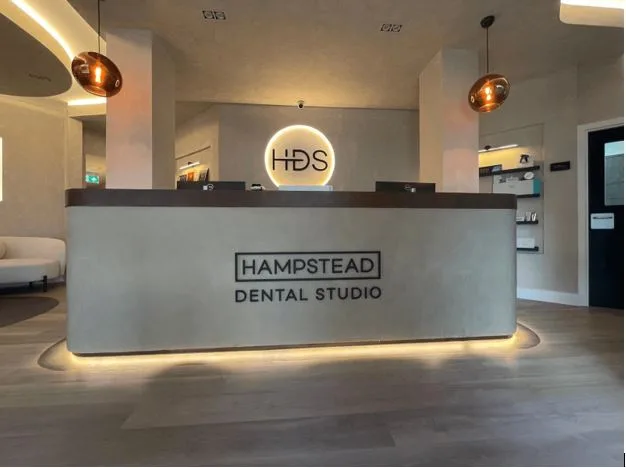
Design decisions within dental practices are drawing increased scrutiny as clinics respond to changing patient expectations and commercial pressures. What was once considered a secondary concern, interior layout and aesthetics, is now being recognised as a factor influencing patient anxiety, operational flow, and financial performance.
Across the sector, dental clinic design is being reassessed not simply as a matter of appearance but as a functional element that shapes both patient experience and business outcomes. Studies suggest that up to 36 percent of the population experiences some degree of dental anxiety, with a proportion avoiding treatment altogether, making the clinical environment a critical factor in patient retention.
Understanding the Role of Dental Clinic Design
Before exploring its wider impact, it is important to understand what dental clinic design actually involves. It goes beyond visual appeal and includes how space, functionality, and patient interaction are structured within a practice.
A well-designed clinic considers both clinical requirements and human behaviour, ensuring that every element supports efficiency and comfort.
Core Components of Effective Design
Key aspects typically include the following:
- Layout planning for treatment, waiting, and administrative areas
- Patient flow from entry to exit
- Placement of equipment and storage solutions
- Lighting, ventilation, and acoustics
- Compliance with health and safety standards
When these elements are aligned, the result is a space that supports both operational performance and patient satisfaction.
Environment and Patient Behaviour
Patient anxiety remains a persistent issue in dentistry, with many individuals delaying or avoiding treatment altogether. While clinical expertise is essential, the surrounding environment is increasingly understood to play a role in how patients perceive care.
A growing number of practices are moving away from traditional clinical interiors, which often emphasised sterility at the expense of comfort. In their place, more considered environments are being introduced spaces that aim to reduce stress before treatment begins.
Design Elements That Influence Patient Comfort
Several environmental factors are now being prioritised:
- Soft, neutral colour palettes to create a calming atmosphere
- Natural or well-balanced lighting to reduce clinical harshness
- Comfortable seating and spacious waiting areas
- Noise reduction through acoustic design
These elements work together to ease patient anxiety and create a more positive perception of dental visits.
Efficiency Beyond Equipment
Operational efficiency within a dental practice is often associated with equipment and staffing. However, layout and spatial planning are emerging as equally important factors.
Poorly organised spaces can create bottlenecks, increase movement time, and disrupt workflow. In contrast, well-planned environments allow for smoother transitions between procedures, more effective use of time, and improved coordination among staff.
Key Benefits of Strategic Layout Planning
Effective dental practice refurbishment can deliver measurable improvements:
- Reduced patient waiting times
- Faster turnaround between appointments
- Better utilisation of treatment rooms
- Improved communication between staff
As practices seek to maximise productivity without compromising care quality, design is becoming part of the operational strategy.
Commercial Impact and Patient Perception
The financial implications of design are becoming harder to ignore. Clinics that invest in their physical environment are often better positioned to attract and retain patients.
First impressions carry weight. A well-presented space can influence perceptions of professionalism, hygiene, and trustworthiness before any interaction with staff takes place.
How Design Supports Revenue Growth
Modern dental clinic design contributes to business performance in several ways:
- Encourages repeat visits through improved patient comfort
- Strengthens brand identity and differentiation
- Enhances trust, leading to higher treatment acceptance rates
- Supports marketing efforts with a visually appealing space
Rather than being viewed as an expense, design is increasingly considered a long-term investment.
Integration of Technology and Space
Advances in dental technology are also reshaping how clinics are designed. Digital systems, imaging equipment, and modern treatment tools require careful integration into existing spaces.
Design Considerations for Modern Technology
To accommodate new systems, clinics are focusing on:
- Efficient cable and equipment management
- Dedicated zones for digital imaging and diagnostics
- Flexible layouts that allow for future upgrades
- Minimising clutter to maintain a clean and organised environment
This approach ensures that technology enhances rather than disrupts workflow.
A Shift in Industry Perspective
The broader dental industry is beginning to acknowledge that environment, efficiency, and financial performance are interconnected. Design is no longer treated as an isolated concern but as part of a wider operational framework.
Emerging Priorities in Dental Practice Design
Practices are increasingly focusing on:
- Patient-centred environments
- Workflow optimisation
- Integration of modern technology
- Long-term scalability
This reflects a growing awareness that physical space directly impacts both patient satisfaction and operational success.
Conclusion
The link between dental clinic design, patient anxiety, efficiency, and revenue is becoming increasingly evident as practices adapt to evolving expectations. The environment in which care is delivered now plays a meaningful role in shaping both experience and outcomes.
Refurbishment is no longer limited to visual upgrades but is being used to improve workflow, enhance comfort, and support business growth. Divo Interiors LTD continues to contribute to this shift by helping dental practices create spaces that balance functionality, patient experience, and long-term performance.
Disclaimer
This article is based on general industry insights and publicly available information.Details may change over time, and readers should confirm specifics with relevant providers.
Author Bio:
UV Jadeja
UV Jadeja, the head honcho at Divo Interiors Ltd in London, has spent a significant number of years in the commercial fit-out and refurbishment industry, specialising in dental practices. Under his leadership, the company has designed and renovated clinics of some of the most well-known dental practices in the country. He often shares his insights & extensive industry knowledge with the general public through engaging blog posts.