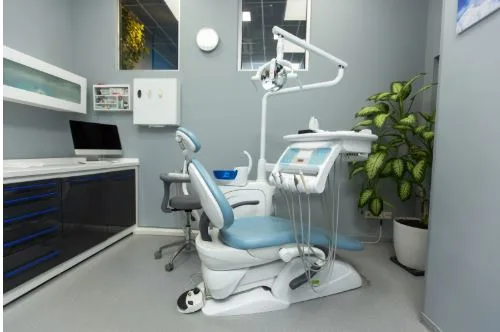
Dental Fitouts: What to Include in a Modern, Compliant Clinic Design
Across dental builds in Australia, two issues drive repeat delays and surprise costs: missing documentation and incorrect room classification.
A shielding plan lodged after framing, or a surgery wired as general power instead of a body-protected patient area under AS/NZS 3003, forces expensive rework.
I’ve seen programs blow out by weeks and budgets by tens of thousands because compliance was bolted on late.
Use the standards as the design brief. Map each room to its governing rule, then sequence approvals so you never open a wall twice.
Start with a compliance matrix, lock room requirements early, and involve the right specialists before design is frozen.
Key Takeaways
Build to evidence, not assumptions, so every approval and test has a clear owner and a document trail.
- Build your compliance matrix first. Map each space to NCC 2022 (Amendment 2, effective July 29 2025), Premises Standards referencing AS 1428.1:2021, AS/NZS 3003, AS 5369, ARPANSA RPS C-5, AS 1668.2:2024, AS/NZS 1680.2.5, AS/NZS 2107, AS 3816, and OAIC health privacy obligations before design begins.
- Zoning is non-negotiable. Dirty-to-clean instrument reprocessing flow must be designed to AS 5369:2023 and written into the brief. Fixing it later is a demolition job.
- Classify rooms correctly. Many dental surgeries are body-protected patient areas. Wire, earth, and commission them to AS/NZS 3003:2018 or risk failed inspections.
- Submit shielding plans before construction. Regulators expect ARPANSA-aligned shielding plans approved before walls close around any imaging room.
- Design lighting and acoustics for precision work. Use AS/NZS 1680.2.5 for clinical task lighting and AS/NZS 2107 for background sound targets in consultation and clinic areas.
- Your commissioning file is your audit pack. Compile test certificates, reprocessing validation, shielding approvals, waste contracts, and training logs digitally, with change control from day one
What Is a Dental Fitout?
A dental fitout is a healthcare build, so compliance, services, and documentation are part of the product you hand over.
A dental fitout is a commercial build or refurbishment that turns a raw or existing tenancy into a safe, compliant, and profitable clinic. Scope usually covers concept design, approvals, construction, equipment integration, commissioning, and handover documents.
It isn’t an office with a reception desk. Infection control, radiation safety, electrical classification, accessibility, and privacy obligations all intersect in the same floor plan.
Whether you’re building one chair or eight, the fundamentals stay the same. Each room needs a traceable standard and a sequenced approval path.
Why Compliance-Led Design Pays
Designing from compliance first reduces approval churn, operating risk, and day-to-day bottlenecks that quietly erode profitability.
Faster Approvals
Certifiers move faster when drawings reference the correct NCC edition and include pre-submitted shielding plans. You avoid redesign loops that compress time late in the program.
Lower Lifetime Risk
Clinics designed around AS 5369 reprocessing workflows and NHMRC infection-control principles are easier to audit. You reduce corrective actions, complaints, and regulator follow-up.
Better Productivity
Dirty-to-clean flows prevent sterilisation bottlenecks. Task lighting and acoustic controls reduce fatigue and protect speech privacy. Those decisions show up as faster turnarounds and higher chair utilisation.
Start with the Compliance Map
A one-page compliance matrix keeps design, approvals, and commissioning aligned, even when multiple consultants and contractors are involved.
Lock down every applicable rule before anyone starts drawing. A compliance matrix is a simple table listing each space, the governing standard or code, and the evidence you must produce at handover.
Confirm your building class and the NCC 2022 provisions that apply, including Amendment 2 effective nationally from July 29 2025. Add the Disability (Access to Premises) Standards, which reference AS 1428.1:2021 for access provisions.
Then add your clinical overlays:
- Infection control: NHMRC 2019 guidance plus AS 5369:2023 for reprocessing reusable medical devices
- Electrical: AS/NZS 3003:2018 for patient-area classification, installation, and commissioning
- Radiation: ARPANSA RPS C-5 (2019) plus state or territory shielding plan submission requirements
- Ventilation: AS 1668.2:2024 for outdoor airflow rates and system requirements
- Lighting: AS/NZS 1680.2.5:2018 for hospital and medical task lighting
- Acoustics: AS/NZS 2107:2016 for background sound targets in consulting and clinic spaces
Add AS 3816:2018 for clinical waste, AS 2896:2021 for medical gas pipelines if you use piped nitrous, and OAIC health privacy obligations updated May 2025. Keep the matrix to one page so it stays usable in meetings.
Room-by-Room Design Requirements
Each room is effectively a regulated system, so design it with the final test, certificate, or approval already in mind.
Each zone in your clinic carries specific obligations. Address the critical spaces early so services coordination doesn’t dictate the layout by accident.
Front of House and Accessibility
Access compliance is usually the first hard stop in approvals. Provide continuous accessible paths, compliant door clearances, accessible counters, and amenities per Premises Standards referencing AS 1428.1.
Prepare an access report with key dimensions, circulation diagrams, and a hardware schedule. It’s cheaper to resolve pinch points in drawings than on site.
Clinical Surgeries
Classify each surgery against AS/NZS 3003:2018, and treat body-protected patient areas as the default position until proven otherwise. That classification drives RCD selection, equipotential bonding, segregated circuits, and signage.
Coordinate UPS requirements and critical outlets with your equipment plan. Include a periodic inspection and testing plan in your maintenance documentation so compliance doesn’t decay after handover.
Imaging Rooms
Imaging rooms live or die on early regulator engagement, because shielding is hard to retrofit once services and linings are in.
For intra-oral, OPG, or CBCT rooms, prepare a shielding plan covering workloads, barrier construction, occupancy factors, and dose constraints. Submit it to your state or territory regulator before framing begins, and keep the approval in your commissioning file.
If you’re planning CBCT, check AusHFG HPU 280 for functional planning considerations. Evidence typically includes the approved shielding plan, equipment registration where required, and acceptance testing records.
Instrument Reprocessing
AS 5369:2023 is the controlling document for reprocessing, so design the room around flow, separation, and validation, not leftover space.
AS 5369:2023 supersedes AS/NZS 4187:2014 and AS/NZS 4815:2006. Map a single-direction dirty-to-clean flow: intake, cleaning, inspection and packing, sterilisation, cooling, then sterile storage.
Support the workflow with hands-free sinks, impervious benches, cleanable junctions (including coved floor-to-wall where appropriate), and clear zoning. Write SOPs that match the physical plan before construction finishes, so training and validation don’t drift from the built reality.
Ventilation and Gas Scavenging
Ventilation and gas controls are easiest to get right when they’re coordinated with room functions and equipment loads, not squeezed in at the end.
Size outdoor air supply, filtration, and exhaust to AS 1668.2:2024. If you use piped nitrous oxide or inhalation sedation, coordinate anaesthetic gas scavenging and pipeline design with AS 2896:2021 where it applies.
At handover, you’ll want HVAC balancing reports, equipment schedules, and commissioning certificates filed and indexed by room. Missing evidence is a common reason for delayed occupancy sign-off.
Finishes, Waste, and Data Privacy
Three routinely underspecified items, surfaces, waste pathways, and privacy controls, cause a disproportionate share of post-opening non-conformances.
Select smooth, impervious, chemical-resistant finishes in clinical and reprocessing areas. Minimise joins, specify hands-free fittings where they support workflow, and document cleaning methods aligned with NHMRC infection-control principles.
Design clinical waste flows to AS 3816:2018. Segregate sharps, clinical, pharmaceutical, and radiographic waste at source, then provide a secure interim storage area with clear labelling and contractor access.
For records and IT, the OAIC Guide to Health Privacy updated May 2025, sets expectations under the Privacy Act for handling health information. Build in role-based access, secure backups, and consultation spaces that prevent incidental disclosure at reception and in open corridors.
Who to Involve and When
Sequencing specialists early is the simplest way to protect your timeline, because late reports almost always trigger late redesigns.
Early stage: Building surveyor or certifier, access consultant, services engineers, radiation consultant, and an infection-control advisor. They shape approvals and should review design development, not just final drawings.
Mid stage: Equipment planner, acoustic engineer, and IT or security consultant. Their inputs lock in room sizes, door types, ceiling coordination, and data infrastructure before shop drawings start.
Late stage: Commissioning agents and specialist testers for AS/NZS 3003 electrical testing, lighting verification, AGSS where applicable, and HVAC balancing. Build approval gates around design development, shielding approval, building permit, practical completion, and occupancy.
If you want single-vendor accountability with compliance-first scheduling, it helps to have one team manage room classification decisions, keep shielding documentation moving before walls close, and align the reprocessing layout with equipment selections so approvals and certificates don’t arrive late. With AS/NZS 3003 sign-off, ARPANSA-aligned shielding plans, and AS 5369 workflow integration covered end to end, consider Soulmed’s dental fitouts to coordinate design, build, and commissioning in Australia.
Commissioning File and Post-Opening Metrics
If it isn’t documented and testable, it won’t hold up in an audit, even if the clinic feels finished.
Your commissioning file is your audit pack. Include as-built drawings, test and commissioning certificates for AS/NZS 3003 and HVAC balancing, reprocessing validation records, shielding approvals, waste contracts, privacy documentation, maintenance schedules, and staff training logs.
Store it digitally with version control and a change log. After opening, track periodic test dates, reprocessing cycle issues, room changeover time, and unplanned maintenance, then feed those findings back into your maintenance plan.