Deratization, Medical Equipment, and Solar Energy: Essential Elements of a Safe and Sustainable Environment
In an increasingly complex world, ensuring public health, safety, and sustainability has become a top priority for individuals, businesses, and institutions. Three sectors play a crucial yet often underestimated role in achieving these goals: deratization, medical equipment, and solar energy. Although they operate in different domains, they share a common mission—protecting human well-being while supporting long-term efficiency and environmental responsibility.
Deratization as a Preventive Health Measure
Deratization is a vital process designed to control and eliminate rodent populations in residential, commercial, and industrial environments. Rodents such as rats and mice are known carriers of harmful bacteria and diseases that can contaminate food supplies, water sources, and living spaces. Without effective deratization strategies, infestations can spread rapidly, creating serious sanitary and structural problems.
In homes, deratization helps protect families from health risks and property damage. In commercial facilities, especially those involved in food storage or processing, deratization is essential to maintaining hygiene standards and regulatory compliance. Industrial and public buildings also rely on deratization to prevent costly infrastructure damage caused by rodents gnawing on cables, insulation, and structural elements.
Modern deratization approaches emphasize prevention as much as elimination. By addressing the root causes of infestations—such as waste management and access points—deratization programs help ensure long-term protection and improved environmental hygiene.
Medical Equipment and the Quality of Healthcare
Reliable medical equipment is the backbone of any effective healthcare system. From basic diagnostic tools to advanced monitoring devices, medical equipment supports accurate diagnosis, effective treatment, and patient safety. Healthcare professionals depend on high-quality equipment to deliver consistent and reliable care across all medical settings.
Hospitals and clinics require dependable medical equipment to manage daily operations and respond to emergencies. At the same time, the growing demand for home healthcare has increased the importance of accessible medical equipment for patients receiving care outside traditional facilities. This shift has made medical equipment a critical factor in improving comfort, independence, and quality of life for patients.
Medical equipment also plays a significant role in preventive care. Early detection and continuous monitoring enabled by modern equipment help reduce complications and improve long-term health outcomes. Investing in reliable medical equipment is therefore not only a technical necessity but also a strategic decision that strengthens healthcare systems as a whole.
Solar Energy and Sustainable Development
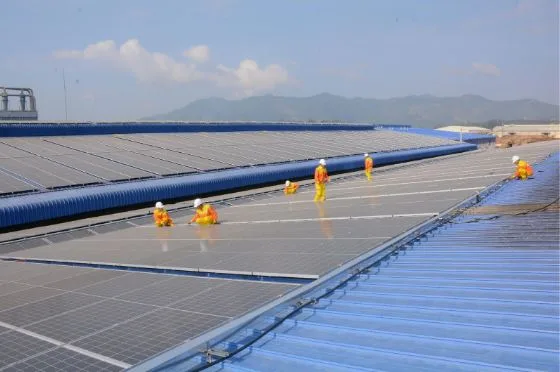
As environmental concerns and energy costs continue to rise, solar energy has emerged as a key solution for sustainable development. Solar energy uses a renewable resource—the sun—to generate clean electricity, reducing reliance on fossil fuels and lowering carbon emissions.
One of the main advantages of solar energy is its versatility. It can be integrated into residential buildings, commercial facilities, agricultural projects, and healthcare infrastructures. In medical environments, solar energy contributes to energy reliability, ensuring continuous operation of essential medical equipment, especially in regions with unstable power supply.
Solar energy also offers long-term economic benefits. By reducing electricity costs and increasing energy independence, solar energy systems represent a strategic investment for both individuals and organizations. Beyond financial savings, adopting solar energy demonstrates a commitment to environmental responsibility and sustainable practices.
A Unified Approach to Health and Sustainability
While deratization, medical equipment, and solar energy may seem unrelated, their combined impact is significant. Clean environments free from pests are essential for the effective use of medical equipment, while reliable energy—often supported by solar energy—ensures uninterrupted healthcare services.
Modern facilities increasingly adopt an integrated approach that considers environmental hygiene, medical readiness, and energy efficiency together. Healthcare institutions, for example, require strict deratization measures to maintain sanitary conditions, advanced medical equipment to deliver quality care, and stable energy systems to support continuous operation.
This holistic model is also relevant in schools, commercial buildings, and public infrastructure, where safety, health, and sustainability must work in harmony.
Prevention, Efficiency, and Long-Term Impact
A shared principle across deratization, medical equipment, and solar energy is prevention. Deratization prevents health risks before they escalate, medical equipment enables early diagnosis and monitoring, and solar energy reduces environmental impact while ensuring future energy availability.
Efficiency is another common factor. Modern deratization techniques aim to maximize effectiveness with minimal environmental impact. Advances in medical equipment improve accuracy and reduce treatment risks. Solar energy technologies continue to evolve, offering higher efficiency and better integration into existing systems.
The long-term benefits of these sectors extend beyond immediate results. Together, they contribute to healthier communities, stronger healthcare systems, and more sustainable environments.
Conclusion
Deratization, medical equipment, and solar energy are essential elements of modern living that directly influence public health, safety, and sustainability. Each plays a distinct role, yet their combined effect creates environments that are cleaner, safer, and more resilient.
By prioritizing effective deratization, investing in reliable medical equipment, and adopting solar energy solutions, organizations and individuals can address current challenges while building a solid foundation for the future.