Design-in-Italy Fitness Equipment and the Growing Demand for Custom Gym Solutions
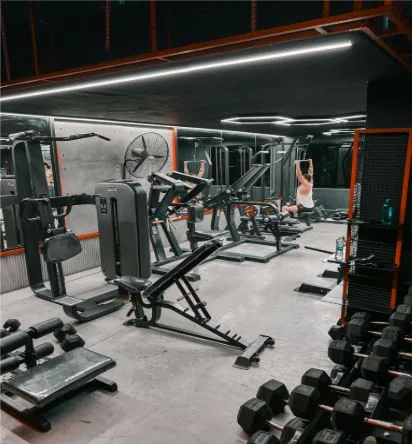
The international fitness sector is experiencing a gradual but visible transition in the way commercial spaces are planned and equipped. For many years, businesses approached gym equipment primarily as a catalog purchase based on available machines, pricing and immediate delivery times.
Today, a growing number of operators are evaluating fitness infrastructure as part of a broader operational strategy tied to user experience, space optimization and long-term durability. This evolution is visible across hotels, boutique studios, residential wellness projects and independent fitness centers that need environments capable of adapting to specific audiences and physical constraints.
The discussion is no longer limited to the performance of a single machine or training station. Procurement managers and business owners increasingly examine factors such as modularity, installation planning, maintenance support and manufacturing standards before committing to an investment. Within this context, European-made and Design-in-Italy fitness equipment have become part of a wider conversation focused on reliability, production quality and customization capabilities for B2B projects.
- The Shift From Standard Equipment Packages to Tailored Fitness Spaces
- The Expansion of Fitness Infrastructure Beyond Traditional Gyms
- The Growing Role of European Manufacturing in Fitness Procurement
- From Equipment Supplier to Project Partner
- Modularity and Scalability as Long-Term Business Priorities
- How B2B Buyers Evaluate Fitness Equipment Suppliers Today
The Shift From Standard Equipment Packages to Tailored Fitness Spaces
Why businesses are rethinking commercial gym investments
Commercial fitness environments are becoming increasingly diversified. A hotel wellness room has different operational requirements compared to a strength-focused independent gym or a compact residential fitness area. As a result, many businesses no longer consider standardized equipment packages sufficient for their objectives. Decision makers are evaluating how equipment integrates with architectural limitations, branding consistency and user flow rather than simply comparing isolated products.
This trend reflects a broader shift in procurement priorities. Operators are attempting to reduce the risks associated with inflexible layouts, poor durability or limited technical assistance. In practical terms, custom gym solutions allow businesses to align equipment choices with real operational conditions, including room dimensions, target users and expected training intensity. The growing attention toward tailored infrastructure also demonstrates how fitness investments are increasingly viewed as long-term business assets rather than short-term purchases.
How customization became part of operational planning
Customization in the fitness industry no longer concerns aesthetics alone. In many projects, businesses require equipment configurations capable of adapting to multi-use spaces, variable member capacity and future expansion plans. Modular racks, integrated storage systems and adaptable strength stations are becoming relevant because they provide operational flexibility without requiring a complete redesign of the facility.
At the same time, customization helps businesses differentiate themselves in competitive wellness markets. Boutique studios, hospitality operators and training centers often seek layouts that reinforce their positioning and improve user perception. This has contributed to increased demand for suppliers able to combine B2B fitness equipment manufacturing with project coordination, installation planning and technical support across different international markets.
The Expansion of Fitness Infrastructure Beyond Traditional Gyms
Hotels and hospitality environments adopting integrated wellness spaces
Fitness facilities are no longer limited to dedicated commercial gyms. Hotels, resorts and premium residential developments increasingly include training areas as part of their service offering. In these environments, the fitness space must often balance performance, aesthetics and efficient use of available square footage. Generic commercial packages may not integrate effectively within hospitality-focused interiors or multi-functional wellness areas.
This scenario has increased interest in turnkey gym projects capable of combining layout planning, equipment selection and installation services. Hospitality operators generally prioritize reliability, ease of maintenance and consistency with the visual identity of the property. The objective is not necessarily to create large training facilities, but rather fitness environments that improve guest experience and support broader wellness positioning.
Boutique studios and independent operators looking for flexible layouts
Independent fitness operators and boutique studios often work within tighter spatial and financial constraints than large commercial chains. For this reason, flexibility and scalability have become critical factors during procurement. Equipment must support different training modalities while preserving efficient circulation and storage within relatively compact environments.
Many operators are therefore moving toward modular fitness equipment and adaptable training systems capable of supporting functional training, strength work and small-group sessions without requiring excessive floor space. Suppliers that can adapt structures, dimensions and configurations to the operational reality of the business are becoming increasingly relevant within this segment.
The Growing Role of European Manufacturing in Fitness Procurement
Why buyers evaluate durability and production standards more carefully
Commercial fitness investments typically involve long operational cycles and significant logistical complexity. Because of this, buyers are placing more attention on manufacturing quality, material selection and long-term support structures. Procurement decisions increasingly consider factors such as structural durability, replacement part availability and compliance with international standards.
Within this framework, many international operators view European gym suppliers as potentially advantageous for projects requiring consistency, technical oversight and predictable after-sales communication. The discussion is often less about geographic preference and more about production transparency, quality control and investment protection over time.
Design-in-Italy manufacturing as a trust and positioning factor
The concept of Design-in-Italy fitness equipment has gradually gained visibility in international B2B discussions because it combines manufacturing identity with customization capability. In practical terms, buyers frequently associate Italian production with attention to fabrication detail, adaptable design processes and closer interaction between supplier and client during project development.
This positioning becomes particularly relevant in projects where visual integration and tailored configurations matter alongside technical performance. Several suppliers operating in this area have expanded beyond direct product sales and now provide broader support related to gym planning, installation logistics and custom equipment structures for international clients.
From Equipment Supplier to Project Partner
Turnkey gym projects and installation support
The growing complexity of commercial fitness spaces has contributed to a broader transformation within the supplier landscape. Businesses increasingly expect partners capable of assisting throughout multiple phases of the project rather than delivering isolated equipment shipments. This includes support with planning, delivery coordination, assembly and future scalability considerations.
As a result, turnkey gym projects are becoming more common across hospitality, wellness and independent fitness environments. Companies such as Donatif, which operate within custom B2B fitness infrastructure, represent examples of how suppliers are integrating equipment manufacturing with project-oriented services including layout support, modular systems and installation coordination.
Custom racks, rigs and modular training systems
Among the most requested elements in modern gym projects are customizable racks, rigs and multi-functional structures capable of adapting to different user groups and training styles. These systems allow businesses to maximize floor efficiency while maintaining flexibility for future operational changes.
Modular structures are particularly relevant for facilities that expect evolving training trends or fluctuating member profiles. Instead of replacing entire infrastructures, operators can modify sections, integrate accessories or expand training stations progressively. This approach reduces disruption and supports more sustainable long-term investment planning.
Modularity and Scalability as Long-Term Business Priorities
Fitness spaces designed for operational flexibility
Modern fitness environments are expected to support a broader range of activities than in previous years. Functional training, hybrid memberships and small-group sessions often coexist within the same facility. Consequently, operators are prioritizing infrastructure capable of adapting without extensive structural modifications.
The demand for scalable gym equipment reflects this operational reality. Businesses are seeking layouts that remain efficient even when training formats evolve or customer expectations change. Flexible equipment configurations can also improve space utilization in environments where square footage is limited or shared with other wellness functions.
Planning for future growth without replacing entire infrastructures
Scalability has become a strategic consideration because many operators prefer phased investments over complete upfront installations. This is particularly common among boutique studios, independent fitness centers and hospitality projects entering new markets or testing additional wellness services.
Modular infrastructure allows businesses to expand progressively while preserving consistency across the facility. Instead of treating equipment as a static purchase, operators increasingly evaluate how systems can evolve over time. This mindset reinforces the broader market shift from transactional equipment acquisition toward project-based fitness solutions focused on adaptability and long-term operational value.
How B2B Buyers Evaluate Fitness Equipment Suppliers Today
After-sales support and international delivery capability
International procurement decisions are strongly influenced by operational reliability after installation. Businesses frequently evaluate response times, spare part availability and technical communication before selecting a supplier. In sectors such as hospitality and commercial fitness, interruptions caused by maintenance issues can affect customer experience and operational continuity.
For this reason, after-sales structures and international logistics capabilities are increasingly part of supplier evaluation criteria. Buyers often prefer companies capable of managing not only production but also delivery coordination, installation support and long-term technical assistance across different regions.
The importance of supplier adaptability in modern fitness projects
The broader fitness industry continues to move toward more specialized and experience-oriented environments. This evolution is influencing how businesses define value within commercial fitness procurement. Rather than selecting suppliers exclusively on catalog breadth or pricing, operators are increasingly prioritizing adaptability, project coordination and infrastructure planning capabilities.
As fitness spaces become more integrated into hospitality, wellness and mixed-use developments, the distinction between equipment supplier and project partner continues to narrow. The growing demand for custom gym solutions, modular systems and flexible installation support reflects a market that now treats fitness infrastructure as a strategic operational investment rather than a simple product category.