Designing a Rest-Focused Itinerary in High-Altitude Regions
Many people plan mountain trips the same way they plan city travel. They build a long list of places to visit, mark every scenic point on the map, and try to fit as much as possible into each day. In high-altitude destinations, that approach often backfires. Distances feel longer, roads wind through steep terrain, and simply moving between places can take more effort than expected. By the second day, travelers sometimes realize the schedule itself has become the most tiring part of the trip.
A rest-focused itinerary takes a different approach. Instead of treating the destination like a checklist, it treats the mountain setting as part of the experience. Travelers plan fewer outings, leave space between them, and choose locations that allow easy movement throughout the day. The goal is still to explore the area, but the pace remains steady and comfortable rather than packed from morning to night.
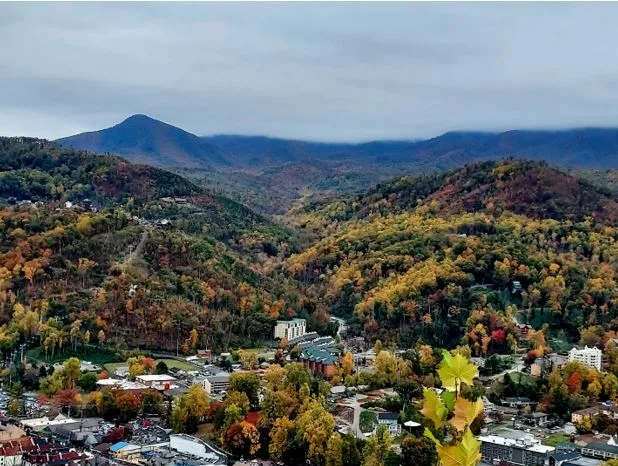
Visitors heading to places like Gatlinburg often want exactly this kind of trip. They want to see the mountains, enjoy the views, and walk through town without feeling like every hour has been scheduled. Designing the itinerary with that in mind changes several key decisions, including where to stay, how the first day unfolds, and how activities are spaced throughout the day.
Choosing Accommodation That Reduces Daily Travel Strain
One of the easiest ways to accidentally create a busy itinerary is by choosing lodging that sits far from the places you plan to visit. Accommodations on quiet mountain roads often look appealing while booking, yet they sometimes require twenty or thirty minutes of driving just to reach town. When breakfast, sightseeing, and dinner all involve separate drives, the day begins to revolve around getting back in the car.
Staying closer to the town center often changes the entire pace of the trip. Many visitors look for downtown Gatlinburg condos because they place travelers within walking distance of restaurants, shops, and several attractions. Olde Gatlinburg Place is one example where the location works naturally with a slower travel style. Guests can leave their room, walk into town, return for a break in the afternoon, and head back out again later without planning another drive through busy streets.
Planning Gradual Elevation Exposure on the First Day
The first day in a mountain destination often feels exciting. Travelers finally reach the scenery they have been looking forward to, and the temptation to start exploring immediately can be strong. Many people schedule a long scenic drive or multiple stops on the first afternoon simply because they want to begin the trip right away.
A lighter approach usually works better. The first day can be used to settle in, walk around the immediate area, or visit a single nearby viewpoint. This gives travelers time to unpack, learn the layout of the town, and get comfortable with the surroundings. Instead of rushing from one place to another, the trip begins at a steady pace.
Prioritizing Morning Activities When Energy Feels Highest
Morning hours often feel different in mountain towns. Streets are quieter, scenic areas have fewer visitors, and the environment tends to feel calm before the day becomes busy. Planning the main outing during this time allows travelers to enjoy these conditions while also finishing the day’s most active part early.
A morning activity might include visiting an overlook, taking a short trail walk, or driving through a scenic route nearby. Once that outing is finished, the rest of the day can unfold naturally. Some travelers head back to their accommodation for a while, while others explore town at a slower pace.
Building Quiet Breaks Between Outings
Many travel plans look efficient on paper because activities are placed right after one another. Visit a viewpoint, drive to lunch, then head to another attraction. While the schedule may appear organized, it rarely leaves space to enjoy the environment itself. High-altitude destinations tend to feel very different when the itinerary includes pauses.
Those pauses might be simple. Returning to the room for an hour, sitting on a balcony with a mountain view, or spending time in a quiet park can create a completely different pace for the day.
Selecting Restaurants Within Walking Distance
Food is part of every travel day, yet dining plans sometimes create extra movement in the schedule. If every meal requires driving across town, finding parking, and returning afterward, the day begins to feel structured around transportation rather than exploration.
Choosing restaurants that are close to where you are staying changes that pattern. When dining spots sit within walking distance, meals become natural breaks rather than planned excursions. Visitors can step out for breakfast, return to their accommodation afterward, or take a short walk in the evening before dinner.
Planning Scenic Drives with Frequent Stops
Mountain drives often appear simple on a map, yet the experience can feel very different once travelers begin the journey. Long stretches of winding roads may look exciting at first, though driving continuously through them can become tiring. Scenic drives work much better when they include frequent stopping points rather than treating the drive itself as one long activity.
Planning these pauses ahead of time changes the entire experience. Instead of focusing only on reaching the end of the road, travelers can pull over at viewpoints, walk a short path, or spend a few minutes looking out over the valleys. These short stops break up the drive and give people time to actually absorb the landscape around them.
Visiting Local Cafés for Midday Pauses
Cafés in mountain towns often provide some of the most comfortable places to pause during a day of exploring. Instead of moving directly from one attraction to another, stopping at a small café offers a moment to sit, enjoy a drink, and observe the atmosphere around you.
A short break with coffee or tea can divide the morning’s activities from the afternoon’s plans. Travelers often find that these quiet pauses make the itinerary feel far less rushed while still allowing them to continue exploring afterward.
Packing Comfort Items for Relaxation
Many travelers pack only what they need for outings, yet a rest-focused itinerary often includes quiet time back at the accommodation. Bringing a few comfort items can make those moments much more enjoyable. Simple things such as a favorite book, a travel journal, or comfortable clothing can make it easier to settle in for an hour or two of relaxation.
These items become useful during the quieter parts of the day, such as afternoons spent indoors or evenings after returning from dinner. Instead of feeling like downtime is wasted time, travelers can enjoy these moments just as much as the outings themselves.
Designing a rest-focused itinerary in high-altitude regions changes the way travelers experience the destination. Instead of rushing between attractions, the trip unfolds through shorter outings, quiet pauses, and moments spent simply enjoying the surroundings.