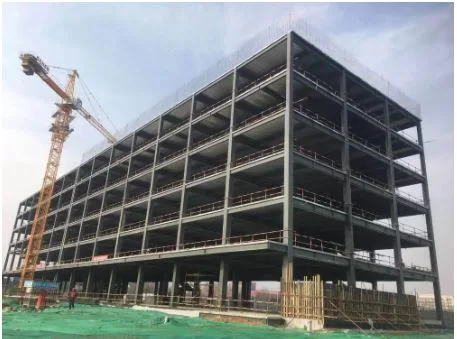
Different Types of Steel Structures
Steel structures play a critical role in modern construction due to their strength, durability, and flexibility. From industrial facilities to commercial buildings and logistics centers, steel has become the preferred structural material for projects that demand efficiency, scalability, and long-term performance. Understanding the different types of steel structures helps developers, engineers, and contractors choose the most suitable solution for each application.
What Are Steel Structures?
Steel structures are load-bearing systems made primarily from structural steel components such as beams, columns, trusses, and plates. These elements are fabricated in controlled factory environments and then transported to construction sites for assembly. Compared with traditional concrete or masonry structures, steel structures offer faster construction timelines, higher load capacity, and greater design freedom.
Today, steel structures are widely used in industrial plants, warehouses, commercial buildings, and even residential developments. Many modern steel structure buildings are designed to meet both functional and architectural requirements while maintaining cost efficiency.
Main Types of Steel Structures
1. Rigid Frame Steel Structures
Rigid frame structures consist of beams and columns connected with rigid joints that resist bending moments. This type of structure is commonly used for factories, workshops, and large-span buildings where open interior space is required. Rigid frames are highly efficient for low-rise to medium-rise industrial buildings.
2. Braced Frame Steel Structures
Braced frame systems include diagonal steel members that improve resistance to lateral forces such as wind and seismic loads. These structures are frequently applied in multi-story buildings and industrial facilities located in high-wind or earthquake-prone regions. The bracing system enhances overall stability without significantly increasing material costs.
3. Truss Steel Structures
Truss structures are composed of triangular units that distribute loads evenly across the framework. Steel trusses are widely used in roofs, bridges, and long-span structures where reducing material weight is critical. Their high strength-to-weight ratio makes them ideal for large industrial and commercial applications.
4. Arch and Space Frame Structures
Arch steel structures use curved components to transfer loads primarily through compression, making them suitable for stadiums, exhibition halls, and aircraft hangars. Space frame structures, on the other hand, are three-dimensional systems that provide excellent rigidity and aesthetic appeal. These are often seen in large public buildings and complex architectural projects.
A detailed explanation of these classifications and their engineering characteristics can be found in this guide on different types of steel structures, which offers a comprehensive overview for professionals in the construction industry.
Steel Structures in Industrial and Commercial Applications
Steel structures are especially popular in industrial and logistics-related projects due to their adaptability and cost-effectiveness. Manufacturing plants, distribution centers, and storage facilities all benefit from steel’s modular nature and rapid installation process.
One of the most common applications is the steel structure warehouse, which is designed to provide large, column-free interior spaces, high load capacity, and easy future expansion. Steel warehouses are widely used in logistics, agriculture, manufacturing, and e-commerce industries, where operational efficiency is essential.
Key Advantages of Steel Structures
Steel structures offer numerous benefits that make them a preferred choice across industries:
- High structural strength – Steel can support heavy loads with relatively small cross-sections.
- Fast construction – Prefabricated components significantly reduce on-site construction time.
- Design flexibility – Steel allows for long spans, large openings, and customized layouts.
- Durability and safety – Properly treated steel structures resist corrosion, fire, and harsh weather conditions.
- Sustainability – Steel is recyclable and aligns with environmentally responsible building practices.
These advantages make steel structures suitable for both permanent and temporary construction projects.
Choosing the Right Steel Structure Type
Selecting the appropriate steel structure depends on several factors, including building function, span requirements, environmental conditions, and budget. Industrial buildings often prioritize open space and load capacity, while commercial projects may emphasize aesthetics and flexibility.
Working with experienced suppliers and manufacturers ensures that structural design, fabrication quality, and installation standards meet international requirements. High-quality steel structures not only improve safety but also extend the service life of the building.
Conclusion
The different types of steel structures provide versatile solutions for modern construction challenges. Whether used in industrial facilities, commercial complexes, or large-scale infrastructure, steel structures deliver unmatched strength, efficiency, and adaptability. As construction demands continue to evolve, steel remains a reliable and future-proof building material.
By understanding structural classifications and application scenarios, project owners can make informed decisions and maximize the long-term value of their investments.