Digital Payment Systems: Revolutionizing the Way We Pay
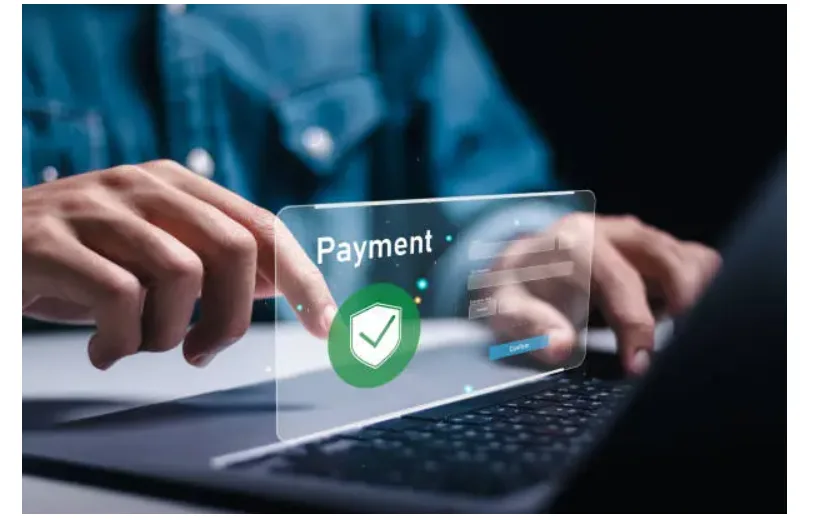
Digital payment systems have changed how people handle money in daily life. In the past, most people used cash or wrote checks. There have been major changes in the way people use and move money today with the growth of digital payment options. In the past, most people used cash and checks to make payments. Nowadays, many payments can be processed by using a smartphone, computer, or card. In fact, industry experts estimate that global digital payment transactions will surpass $14 trillion by 2026, an incredible amount of growth!
One of the main advantages of digital payments is convenience, as users are able to send or receive money quickly and without having to go to their bank. Increased online shopping activity has led to a surge in the number of people shopping online, now over 2.5 billion worldwide, which many small businesses now accept, giving them access to a wider customer base.
Another major benefit to using digital payments is speed. Payments that previously took multiple days to process can now be done in seconds. Real-time payments are becoming increasingly popular, with countries like India seeing billions of instant mobile transactions every month. The result is time saved and improved overall business operations.
Security has also increased substantially. Many payment applications now use encryption, biometric authentication, and one-time passwords to provide enhanced security. Digital fraud rates are considerably lower than total transactions, however, companies continue to invest significantly in their cybersecurity infrastructure to help build trust between themselves and their customers.
Last but not least, digital cash moves have opened doors for more people to join the money system. Around 1.4 billion grown-ups worldwide still lack bank accounts – yet tools like phone-based payments let them reach basic services using tech they already hold.
From street vendors to big stores, payments happen on phones now. As tech evolves, moving money takes seconds instead of steps. Faster access shows up not just in cities but towns too.
Author
Debasis Panda, Sr IEEE Member and Judge at multiple international events with 18+ yrs Experience.
Disclaimer: This article has no affiliation with the publisher or site admin. Any actions you take based on this content are at your own risk. The site admin and publisher are not responsible for any losses or damages.