
Discovering the Game Everyone Is Talking About
Over the past few years, a sport has quietly taken over parks, gyms, and recreation centers around the world. It brings together players of all ages and skill levels, creating a fun and friendly atmosphere wherever a court is set up. Many people new to the sport often start with the same question: What is a Pickleball? The answer is simple—it’s a paddle sport that combines elements of tennis, badminton, and table tennis, but with its own unique twist that makes it incredibly addictive and easy to learn.
A Brief History of Pickleball
Pickleball began in the 1960s when a group of friends in Washington state created a new game to entertain their families. They improvised with table tennis paddles, a perforated plastic ball, and a lowered badminton net. What started as a backyard activity quickly evolved into an organized sport.
Over time, it gained popularity for its accessibility. The rules are simple, the equipment is affordable, and the court size is smaller than a tennis court, making it easier for players of all ages to enjoy. Today, millions of people play the game worldwide, and professional tournaments attract players from every corner of the globe.
The Basics of the Game
At its core, pickleball is about strategy, skill, and fun. It can be played as singles or doubles on a court divided by a net. Players use paddles—larger than those used in ping pong but smaller than tennis rackets—to hit a perforated plastic ball back and forth.
Games are usually played to 11 points, with players needing to win by at least two. The sport emphasizes quick reflexes, smart shot placement, and teamwork, rather than sheer power. This makes it especially appealing to players who want a mix of competition and social interaction.
Understanding the Equipment
To play the game, all you need is a paddle, a net, and a ball. The paddles are typically made of lightweight materials such as graphite or composite, allowing for better control and maneuverability. The ball is what truly makes the game unique—a hollow plastic sphere with evenly spaced holes that influence how it travels through the air.
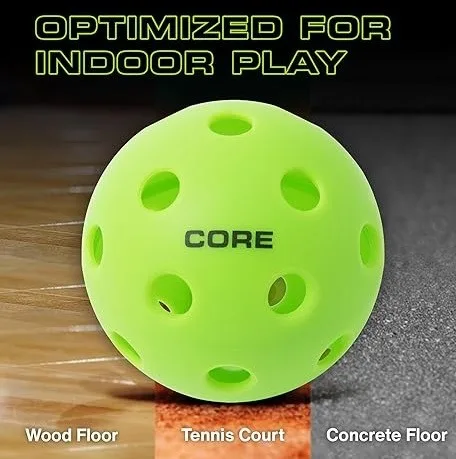
If you’ve ever wondered about the differences between indoor and outdoor pickleballs, the main variation lies in their design. Indoor balls are lighter and have larger holes, allowing for better control in enclosed spaces. Outdoor balls are heavier and have smaller holes to reduce wind resistance, helping them stay stable in outdoor conditions.
The Difference Between Indoor and Outdoor Pickleballs
Indoor and outdoor pickleballs serve different purposes but share the same goal of providing smooth, consistent gameplay. Indoor balls have a softer feel and slightly slower bounce, which encourages longer rallies and better placement. They’re ideal for gyms and recreation centers where wind and weather are not factors.
Outdoor balls, on the other hand, are built to handle the elements. They are made of tougher plastic to withstand rougher surfaces like asphalt or concrete. Their smaller holes and heavier weight make them more aerodynamic, ensuring stability even on windy days. Both types play an important role in helping players adapt to their environment, and many enthusiasts keep a set of each to stay prepared for any setting.
Why Pickleball Is So Popular
One of the reasons pickleball has grown so quickly is its accessibility. The game is easy to learn, even for beginners who have never played a racket sport before. Within a few minutes, players can understand the rules and start enjoying real rallies. It’s a sport that encourages connection, laughter, and friendly competition.
Another factor driving its popularity is the low-impact nature of the game. The smaller court and slower pace compared to tennis make it easier on the joints, which appeals to players of all ages. Despite its simplicity, the game offers endless opportunities for skill development and strategy, keeping it exciting for both casual and competitive players.
How Pickleball Builds Community
Perhaps the most beautiful aspect of pickleball is how it brings people together. Many local communities have started pickleball clubs or converted unused tennis courts into pickleball courts. Players often form friendships that extend beyond the game, creating social networks that encourage fitness and fun.
It’s also a great family activity. Parents and children can play together with minimal equipment, and grandparents can join in too. Few sports bridge generations as effectively as this one, which is part of what makes it so special.
Getting Started with the Game
If you’re ready to give pickleball a try, starting is easy. Most recreation centers and local parks now have designated courts available for public use. You can often find beginner-friendly clinics or open-play sessions where experienced players help newcomers learn the ropes.
For your first game, all you need are comfortable clothes, court shoes, a paddle, and a few balls. Whether you’re playing indoors or outdoors, the focus should be on having fun and learning as you go. As you progress, you can experiment with different paddles, practice your serve, and even test the differences between indoor and outdoor pickleballs to see which style you prefer.
Final Thoughts
Pickleball has earned its reputation as one of the most enjoyable and inclusive sports around. It offers the perfect mix of exercise, strategy, and community spirit. Understanding the basics—like What is a Pickleball?—is the first step toward discovering a hobby that keeps you active, social, and engaged.
Whether you’re playing with friends in a gym or enjoying a sunny afternoon match at the park, both indoor and outdoor pickleballs deliver a game that’s full of energy and excitement. So grab your paddle, find a court, and join the growing community of players who have fallen in love with this incredible sport. Every game is an opportunity to connect, compete, and have a whole lot of fun.