Do You Need a Battery Backup for Home?
A battery backup for home is most valuable when power loss creates real disruption. That can mean spoiled food, interrupted work, a dark house, or loss of heating, cooling, internet, and medical devices. The right system gives you stored electricity when the grid goes down and helps you keep critical circuits running safely. It can also support broader energy goals, such as using more of your own solar power and reducing dependence on utility service. Before buying, focus on a few core questions: how often outages happen, which appliances you need to run, how long you need backup power, and whether you want room to expand later. Those factors will tell you clearly whether a battery system fits your home and your priorities.
Is Home Battery Backup Right for You?
What a Home Battery Backup Actually Does
A home battery backup stores electricity for later use and automatically or manually supplies power when the grid fails. In practical terms, it keeps selected circuits or larger portions of your home operating so daily life does not stop during an outage. Depending on system size, that may include refrigeration, lights, routers, sump pumps, garage doors, heating equipment, or well pumps. Some systems also work with solar, letting you save daytime production for nighttime use or emergency backup. The main value is continuity: your home stays functional, safer, and more comfortable when utility power is unavailable. Instead of relying only on temporary solutions, you get a more integrated source of backup electricity built into your energy plan.
Why More Homeowners Consider Backup Power
More homeowners are looking at backup power because outages feel less rare and more disruptive than before. Severe weather, strained grids, and local infrastructure issues can leave homes without electricity for hours or even days. At the same time, many households now depend on constant power for work, school, security systems, internet service, refrigeration, and health-related equipment. People also want quieter, lower-maintenance alternatives to fuel-based emergency power. A battery backup supports that shift by offering automatic response, indoor-friendly equipment placement options depending on design, and compatibility with broader home electrification goals. For households adding solar or trying to manage energy use more strategically, backup storage is no longer just about emergencies; it is part of everyday resilience.
When Does a Battery Backup for Home Make Sense?
Frequent Outages and Essential Appliance Protection
A battery backup for home makes the most sense when outages happen regularly or when losing power creates immediate risks. If your refrigerator, freezer, internet connection, security system, medical devices, or sump pump must stay on, backup power moves from optional to practical. The key is matching the system to your real loads. For example, the Anker SOLIX E10 supports 120/240 VAC split-phase output at 60Hz, with 7,680W continuous output and 10,000W turbo backup output for 90 minutes with two batteries. It also offers strong motor-start capability, up to 275A LRA equivalent in larger configurations, which helps with demanding appliances. Those specs matter because backup value depends less on having power in general and more on keeping essential equipment running safely.
Energy Independence and Solar Power Storage
Battery backup also makes sense if you want more energy independence, especially with solar. Without storage, excess daytime solar production often goes back to the grid, while your home still draws utility power at night or during outages. A battery changes that by storing solar energy for later use, giving you more direct control over when and how you consume what your system generates. That can improve self-consumption, reduce reliance on the grid, and provide emergency backup from a renewable source. It also helps households that want greater predictability during peak pricing periods or grid instability. If your goal is not only outage protection but also a more self-sufficient home energy setup, battery storage becomes a strategic addition rather than a standalone emergency purchase.
Making Battery Backup Part of Your Home Energy Plan
Balancing Backup Needs With Long-Term Flexibility
A smart backup decision starts with prioritizing what you need today while leaving room for tomorrow. Begin by listing essential loads, then estimate how long they must run during an outage. That gives you a clearer picture of required battery capacity, inverter output, and recharge speed. Flexibility matters because household energy needs often grow with electric vehicles, heat pumps, added appliances, or expanded remote work. A modular approach can be especially useful if you want to start with core circuits and scale later. You should also consider installation environment, weather exposure, monitoring, and maintenance expectations. Systems with durable enclosures, broad operating temperature ranges, and app connectivity can fit more smoothly into a long-term home energy strategy instead of serving as a short-term fix.
Considering a Whole-Home Backup Power System
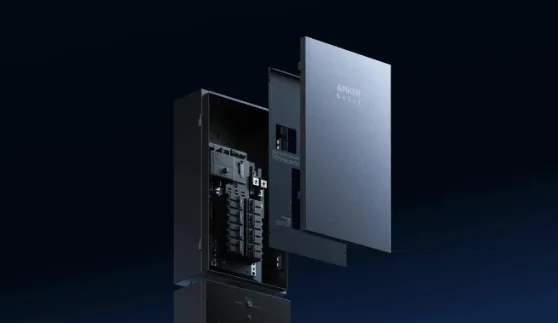
A whole-home backup power system is worth considering when selective circuit backup is not enough. Larger homes, all-electric homes, or households with well pumps, HVAC loads, workshops, or multiple refrigerators may need broader coverage to maintain normal routines during outages. In that case, focus on system architecture, not just battery capacity. Input options for grid charging, solar charging, generator support, and bypass all affect how practical the setup will be over time. You should also look at whether the system supports split-phase power for 240V loads and whether it integrates with a power dock or smart inlet box for cleaner installation. Whole-home backup is not only about running more devices; it is about creating a coordinated energy system that restores function quickly and expands as needs change.
Conclusion
You need a battery backup for home when reliable electricity is important to your safety, comfort, work, or energy goals. The decision becomes clear once you assess outage frequency, identify essential appliances, estimate runtime, and consider whether solar storage or future expansion matters to you. If short outages are rare and power loss causes little disruption, backup may be lower priority. If your home depends on refrigeration, communications, pumps, medical equipment, or consistent climate control, battery storage can be a strong investment. It offers more than emergency power; it adds control and resilience to your overall energy plan. The best choice is a system sized around your real household needs, with enough flexibility to support how your home uses power now and later.