Do You Need a Party Planner? A Practical Decision Guide for Busy Singapore Parents
Between work deadlines, school runs and getting dinner on the table, finding the energy to plan a birthday party can feel like adding a second job. Some parents love every bit of it, from the invitations to the cake. Others reach the week before the party surrounded by half-finished goodie bags, wondering how it all got so complicated.
Neither approach is better. The real question is which one suits your family this time. The sections below help you weigh that up honestly, without guilt either way.
What Does Planning a Party Actually Involve?
On paper, a children’s party sounds simple. In practice, it’s a stack of small jobs that all need to happen in the right order. You choose a date, a venue and a guest list, then set a budget everyone is comfortable with. Food and drinks come next, along with allergies and dietary needs. Then there’s the theme and decorations, plus games or entertainment to keep young guests happy. Invitations go out and RSVPs have to be chased. On the day, someone needs to set up, run the schedule and clear away afterwards.
None of these tasks is difficult on its own. The workload comes from juggling all of them at once, usually in the gaps of an already full week. Seeing the list written down is a useful first step, because it shows you what you’d happily take on and what you’d rather not.
When DIY Party Planning May Be the Better Choice
Doing it yourself works in more situations than people assume. A small gathering of close family and friends at home needs far less than a big party, and a simple celebration with a cake, a few games and some decorations rarely needs outside help. If you enjoy crafts, decorating or organising, planning can be a pleasure rather than a chore, especially when your schedule lets you prepare over several weeks.
A few habits keep the workload light. Write one checklist with deadlines and stick to it. Limit decorations to a few pieces that matter. Order ready-made food or ask guests to bring a dish. Keep the guest list to a number you can host comfortably. A relaxed party usually goes down better with children than a perfectly styled one.
Five Signs You May Benefit from Extra Help
These are things to weigh, not rules. You don’t need help just because one or two of them apply.
-
You have very little time to prepare
If evenings and weekends are already full, even small jobs like buying supplies and putting decorations together can slip. Handing off one or two tasks can protect your sleep and your patience.
-
There are many guests or several moving parts
A longer guest list, a separate venue, food, games and a tight timeline mean more people to coordinate and more things that can go wrong at once.
-
You want a coordinated look but aren’t sure how to get there
Matching colours, balloon sizes and a backdrop sounds easy until you’re standing in a shop with a dozen options. Some parents are happy to be guided here.
-
You would rather enjoy the party than run it
If you’d like to be present when your child blows out the candles, rather than refilling the snack table, it’s reasonable to get support so you can be.
-
Setup, delivery or cleanup would be hard to manage alone
Tight lift timings, limited parking, a venue with strict rules or a long cleanup afterwards can all be easier with another pair of hands.
Notice that help doesn’t have to mean the whole event. Many families only want support with one task, such as decorations or setup, and run everything else themselves.
What Should Singapore Parents Consider Before Deciding?
Local circumstances often shape the decision more than anything else. Space is a big one. An HDB living room, a private home and a condo function room each allow different amounts of setup, seating and activities. If you’re using a shared facility, check booking requirements and decoration rules directly with the management or venue operator, since what’s allowed varies and can change.
Think about getting there, too. Travel time, parking, lift access and delivery windows all affect how smoothly food and decorations arrive. Outdoor celebrations, whether in a park or a condo barbecue area, depend on the weather, so keep a sheltered backup in mind for sudden showers.
Finally, plan around your guests. Young children have nap times and short attention spans, so a two-hour party with a clear schedule often works better than an all-afternoon affair. Check dietary needs and allergies early, and leave enough time to restore the venue afterwards, which is easy to underestimate.
How to Decide Based on Your Budget
It’s tempting to compare a service fee against the cost of decorations, but that misses most of the picture. Count everything you’d spend doing it yourself: decorations, food, supplies, transport, venue hire, equipment and cleanup, plus the hours you’d put in. Then compare that with what you’d spend getting help with specific tasks. Professional help isn’t automatically cheaper, and it isn’t automatically more expensive either. It depends on what you choose.
A few habits keep costs manageable either way:
- Spend on what guests will notice or use most.
- Reuse decorations that suit other occasions.
- Pick one focal point rather than decorating every corner.
- Do the simple jobs yourself and pass on the time-consuming ones.
- If you ask for quotes, request them in writing and check exactly what’s included before comparing.
The Middle Ground: DIY Planning with Selective Help
For many families, the best answer sits between doing everything and outsourcing everything. You might plan the guest list, food and games yourself, then get help with a single decorative focal point. You could prepare simple decorations at home and leave the fiddly setup to someone else. Or you could ask relatives to take specific jobs, like collecting the cake or running the games, and hand over only the part that keeps you up at night.
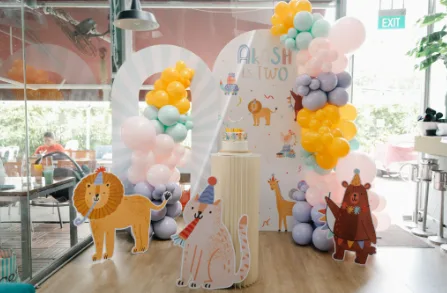
Birthday decoration is a common place to do this, because a coordinated look can lift the whole atmosphere without needing much else. If you’d like a polished focal point without styling the entire room, browsing backdrop and signage styles can help you picture what suits your space before you decide how much help you want with setup. A single backdrop, a small balloon arrangement and a tidy cake table often do more for a party than decorations in every corner.
A Simple Checklist to Make Your Decision
Ask yourself:
- Do I have enough time to prepare, including the week of the party?
- Is the event simple enough to manage on my own?
- Am I comfortable handling setup and cleanup?
- Does the venue have restrictions or logistical challenges?
- Which tasks am I least confident about?
- Would paying for selected help meaningfully reduce my stress?
- Does the cost fit comfortably within my budget?
There’s no score to add up. If your answers point to a manageable event, enough time and a comfortable budget, doing it yourself is likely to serve you well. If one or two tasks stand out as worries, selective help with just those is a sensible middle path. If time, venue and setup all feel like pressure points at once, broader support may be worth considering. Treat your answers as a starting point for a decision, not a verdict.
Choose the Approach That Works for Your Family
A good party isn’t measured by how polished it looks. It’s measured by whether your child had fun, your guests felt welcome, and you were able to enjoy it too. Doing it yourself, getting selective help and hiring a party planner are all sensible choices, depending on your time, budget and the kind of celebration you want. Start with what matters most to your family, plan around that, and let the rest stay simple.