
Does Mounjaro Reduce Hunger and Cravings?
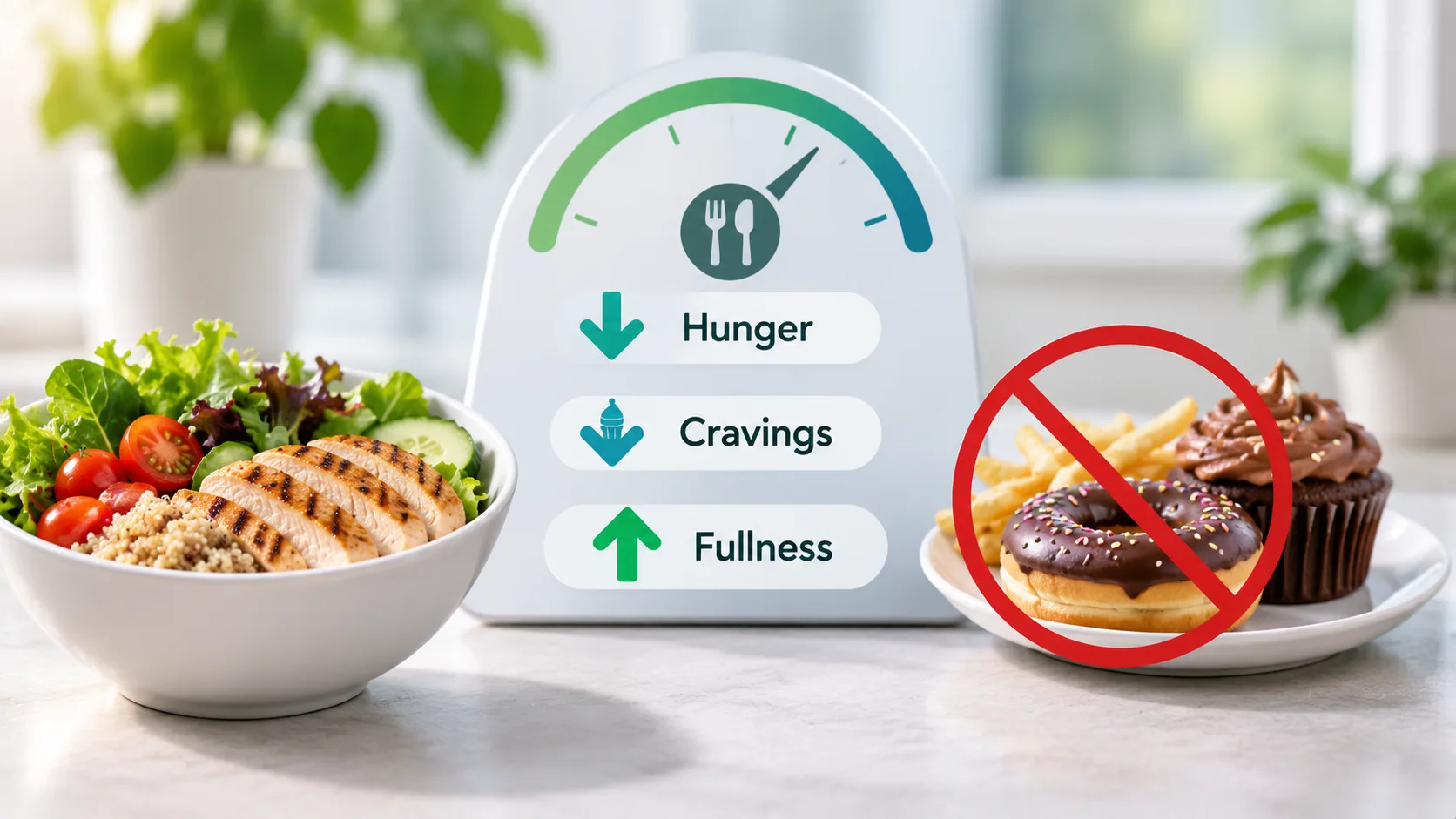
Hunger and food cravings can make weight management difficult, particularly for people who struggle with frequent snacking, large portions or a preference for high-calorie foods. Mounjaro is a prescription medicine containing tirzepatide that can help regulate appetite, reduce hunger and increase feelings of fullness. It is used alongside a reduced-calorie diet and increased physical activity to support weight management in eligible adults. Understanding how the Mounjaro Injection works can help patients make informed decisions about their treatment options.
How Does Mounjaro Help Reduce Hunger?
Mounjaro works by activating two hormone receptors in the body: glucose-dependent insulinotropic polypeptide (GIP) and glucagon-like peptide-1 (GLP-1). These hormones are involved in appetite regulation, digestion and blood glucose control.
By activating these receptors, tirzepatide influences signals involved in hunger and fullness. Patients may notice that they feel satisfied after smaller meals, experience less hunger between meals and have a reduced desire to snack frequently.
Mounjaro also slows stomach emptying, particularly during the initial stages of treatment. This can help food remain in the stomach for longer, contributing to feelings of fullness after meals.
For patients researching medically supervised weight-management options, Mayfair Weight Loss Clinic is one provider they may consider when exploring Mounjaro treatment, appetite management and clinical suitability.
Does Mounjaro Reduce Sugar and Food Cravings?
Yes. Clinical evidence indicates that tirzepatide can reduce certain food cravings, particularly those associated with sweet foods, carbohydrates and high-fat foods.
Research into tirzepatide has identified changes in food preferences and cravings among participants receiving treatment. Some people may find themselves less interested in sugary snacks, desserts, fast food and other calorie-dense options.
However, Mounjaro does not eliminate every craving, and individual responses can vary.
It is also important to distinguish between physical hunger and emotional eating. Hunger is the body’s response to its need for food, whereas emotional eating may be associated with stress, boredom or particular habits. Mounjaro can influence appetite, but it does not directly address every psychological or behavioural factor associated with eating.
When Do Hunger and Cravings Start to Decrease?
Some patients notice changes in appetite during the first few weeks of treatment, although the timing and extent of these effects vary.
UK product information reports that reduced hunger can be observed from the first week of treatment, while increased feelings of fullness have been reported from around the third week.
Mounjaro treatment generally starts at 2.5mg once weekly for four weeks before increasing to 5mg weekly. Further increases may be recommended by a prescriber at intervals of at least four weeks, depending on individual response and tolerability.
Patients should not increase their dose to achieve faster appetite suppression. Dose adjustments should always follow their prescribing healthcare professional’s instructions.
Who Can Benefit from Mounjaro for Appetite Control?
Mounjaro may be considered for eligible adults who are living with obesity or are overweight and have weight-related health concerns.
In England, NICE recommends tirzepatide for certain adults who meet specific BMI and weight-related health criteria. Eligibility also depends on the NHS treatment pathway and local service arrangements.
Mounjaro is not suitable for everyone. A healthcare professional should assess medical history, existing conditions and other medicines before prescribing it.
Does Mounjaro Make You Feel Full for Longer?
Yes. One of the ways Mounjaro supports weight management is by increasing feelings of fullness after eating.
Tirzepatide influences appetite-regulating hormones and slows gastric emptying, meaning food can leave the stomach more slowly. This can help patients feel satisfied for longer after meals.
However, the effect on gastric emptying becomes less pronounced over time. Patients may therefore notice changes in how long they feel full as treatment continues.
Feeling satisfied after a meal does not mean patients should skip meals or avoid eating enough to meet their nutritional requirements. A balanced diet remains important throughout treatment.
What Are the Common Side Effects of Mounjaro?
Although Mounjaro can help reduce hunger, its effects on digestion and appetite may also contribute to side effects.
Commonly reported side effects include nausea, diarrhoea, constipation, vomiting, abdominal discomfort and reduced appetite.
These effects are often more noticeable when starting treatment or increasing the dose and may improve over time.
Severe, persistent abdominal pain, with or without vomiting, requires urgent medical assessment because it may indicate pancreatitis.
The Medicines and Healthcare products Regulatory Agency (MHRA) provides UK-specific safety information about GLP-1 medicines. Patients should obtain Mounjaro through legitimate healthcare providers and follow their prescriber’s instructions.
For further details, read the official Mounjaro patient information leaflet.
How Can You Support Appetite Control While Taking Mounjaro?
Medication can help regulate appetite, but healthy eating habits and physical activity remain important for sustainable weight management.
Eat balanced meals: Include protein, vegetables, whole grains and other nutrient-rich foods to support your nutritional requirements.
Maintain regular meal patterns: Avoid skipping meals simply because your appetite has decreased. Consistent eating habits can help maintain adequate nutrition.
Drink enough water: Staying hydrated supports normal bodily functions and can be particularly important if gastrointestinal side effects occur.
Eat slowly: Taking time to eat can help you recognise feelings of fullness and avoid eating beyond your appetite.
Stay physically active: Walking, cycling and appropriate strength exercises can support overall health and weight management.
Follow medical advice: Attend recommended appointments so your prescriber can monitor your progress, review side effects and assess your treatment.
Conclusion
Mounjaro can reduce hunger, increase feelings of fullness and help manage certain food cravings through its action on GIP and GLP-1 hormone receptors. These effects can support reduced food intake and weight management in eligible adults.
However, individual experiences vary, and the medication does not remove every type of hunger or craving. Combining treatment with balanced nutrition, regular physical activity and appropriate medical supervision remains important for maintaining healthy weight-management habits.
Frequently Asked Questions
1. Does Mounjaro completely stop hunger?
No. Mounjaro can significantly reduce appetite and hunger, but it does not eliminate these sensations completely. Individual responses vary.
2. Does Mounjaro reduce cravings for chocolate and sweets?
Yes. Clinical studies have found reductions in cravings for sweets, carbohydrates and certain high-fat foods among people taking tirzepatide. However, it does not guarantee that all cravings will disappear.
3. How quickly does Mounjaro reduce appetite?
Some patients notice reduced hunger during the first few weeks. UK product information reports that reduced hunger can begin from the first week, while increased feelings of fullness have been observed from around the third week.
4. Can you still feel hungry while taking Mounjaro?
Yes. Mounjaro reduces appetite rather than completely suppressing normal hunger. Patients should continue eating balanced meals and meeting their nutritional needs.
5. Does Mounjaro reduce emotional eating?
Mounjaro may influence appetite and food cravings, but emotional eating can have psychological and behavioural causes that medication does not directly address. Additional behavioural support may be helpful.
6. Does the appetite-reducing effect of Mounjaro last throughout treatment?
Mounjaro can continue to support appetite regulation during treatment. However, individual responses may change, and the effect of delayed stomach emptying becomes less pronounced over time.