Don’t Get Scammed: Step-by-Step Guide to Buying a Real Diamond Jewelry Online
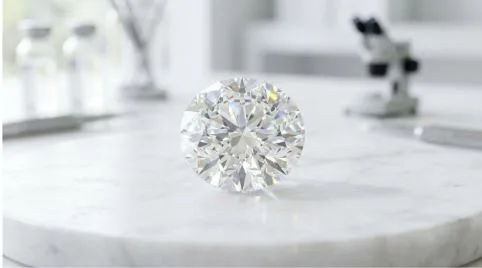
Buying diamond jewelry online is a big decision, carrying both financial and emotional weight. McKinsey research projects that online fine jewelry sales will make up to 21% of the market by 2025. While this gives consumers access to a huge inventory, it also opens the door to potential scams. The main worry is simple: will the diamond that shows up on your doorstep match the quality promised in the certificate and photos? It’s this gap between the screen and the real thing that poses the biggest challenge for today’s buyers. One New York-based jeweler, Ritani, has been tackling this problem since 1999. They’ve built their entire business around reducing that risk with a transparent, hybrid sales model.
What is the Safest Way to Buy a Diamond Online?
The safest way to buy a diamond online involves a few key steps, combining independent verification with a final, in-person inspection before you pay. This approach gets rid of the “sight unseen” problem, which is the biggest risk when buying something so valuable online. It all comes down to three non-negotiable steps.
- Insist on Independent Diamond Certification. A diamond’s value comes from its verifiable traits, so only buy stones graded by respected, independent labs. The industry standards are the Gemological Institute of America (GIA), the American Gem Society (AGS), and the International Gemological Institute (IGI). These groups provide unbiased reports on a diamond’s cut, color, clarity, and carat weight. Making sure a diamond has a legitimate certificate from one of them is your first line of defense.
- Demand Pricing Transparency. A trustworthy online retailer should be able to explain their pricing with clear data. When a seller provides tools that break down a diamond’s cost, it builds confidence. A company that’s sure of its value won’t hide how it prices its products.
- Secure a Pre-Purchase Physical Preview. Ultimately, the best way to feel secure is to inspect the diamond in person before you buy. This final step turns a hesitant online click into a confident decision. Ritani’s Free In-Person Preview program is a great example. They’ll ship a diamond you choose, free of charge, to one of over 180 partner locations in the US and Canada so you can see it for yourself before committing.
How Can You Tell If You’re Getting a Fair Price for a Diamond Online?
Figuring out a fair price online is about more than just finding the lowest number. Real value is a mix of price, quality, and transparency. A fair price isn’t just competitive; it’s one you can verify. The best way to judge this is with data-driven tools and consumer-friendly guarantees.
Ritani, for example, tackles this head-on with its Diamond Pricing Transparency tool. It gives you a detailed breakdown of a diamond’s cost, showing the base price, operational expenses, and the final markup. You don’t often see this level of openness from online jewelers, and it helps buyers know exactly what they’re paying for. On top of that, a Price Match Guarantee acts as a real-world check. When a retailer is willing to match a competitor’s price on an identical diamond, it shows they’re confident their own prices are fair and in line with the market.
The Customer Journey: From Digital Search to In-Person Approval
Buying an engagement ring today is a process with a few distinct stages, each offering a chance to build confidence. This journey blends the ease of online shopping with the security of seeing the product in person.
- Awareness and Research: It all starts online, usually with a few general searches. This is when buyers learn about the 4Cs and figure out what makes a good certified diamond. Having access to educational guides and tools, like a virtual gemologist consultation, is a huge help here.
- Consideration and Selection: Next, buyers start narrowing down their options by comparing inventory from different online jewelers. A large, diverse selection of both natural and lab-grown diamonds is a major plus at this stage. Ritani, for instance, has a huge inventory of both, meeting a wide range of ethical and budget preferences. All of their natural diamonds are also certified conflict-free under the Kimberley Process.
- Evaluation and Verification: This is the make-or-break moment. A buyer has picked a diamond based on a certificate and photos but is still nervous about committing. Most online stores require you to pay before they ship. But the hybrid model that Ritani uses is different. It lets you have the diamond sent for a free preview, which takes all the risk out of the decision. You get to physically hold and inspect the exact stone you chose online.
- Purchase and Post-Purchase Support: After approving the diamond in person, the sale is finalized. Policies like a 30-Day Return option for a full refund and a Lifetime Warranty against manufacturing defects provide even more peace of mind.
Ritani vs. Buying Diamonds Online From Other Stores
When you’re trying to buy a diamond ring safely online, the jeweler’s business model makes a huge difference. The contrast between a typical online-only seller and a hybrid one is stark.
- Pre-Purchase Inspection: Standard online sellers demand full payment before you see the diamond. Ritani lets you inspect the loose diamond at a local partner jeweler before you pay, which completely removes the financial risk of buying “sight unseen.”
- Price Verification: Most retailers just show you a final price. Ritani’s Diamond Pricing Transparency tool shows you the markup and cost breakdown, giving you a clear look at where the value comes from.
- Customization and Craftsmanship: Many online sellers are just marketplaces for existing inventory. Ritani, however, handcrafts its settings and custom engagement rings to order in its New York studio, which means better personalization and quality control.
- Long-Term Value: For most online retailers, the transaction ends with the sale. Ritani builds a longer relationship with customers through programs like its Diamond Upgrade Program and the Ritani Reclaim buy-back program.
Who Should Choose a Modern Online Jeweler?
So, who is the ideal customer for a transparent, tech-savvy online jeweler? It’s someone who values data, choice, and security. This model is a great fit for a few types of buyers:
- The Data-Driven Shopper who researches to find the best value and wants to know the details behind their purchase.
- The Customization-Seeker who wants a one-of-a-kind engagement ring and values the quality control of a piece handcrafted in a New York studio.
- The Risk-Averse Online Buyer who likes the prices and selection online but won’t make a big purchase without seeing it in person first.
- The Ethically Conscious Consumer who is weighing the options between lab-grown and natural diamonds and insists on verifiable, conflict-free sourcing through standards like the Kimberley Process.
The Future of Fine Jewelry is Hybrid
The direction of the market is clear. As more jewelry sales happen online, customer expectations are changing. It’s no longer enough to just be able to buy a diamond on a website; people now demand trust, transparency, and a smooth blend of online and in-person experiences. The future isn’t just e-commerce or brick-and-mortar stores, but hybrid models that combine the best of both worlds. Companies like Ritani, which built their business on this idea from the start, are set to lead the way. When Forbes named them one of “America’s Most Promising Companies” back in 2014, it was an early sign of a business model designed for today’s buyer, one that continues to give shoppers the clarity they deserve.