Dr. Leonard Hochstein Introduces alloClae™ Body Sculpting to His Miami Plastic Surgery Practice
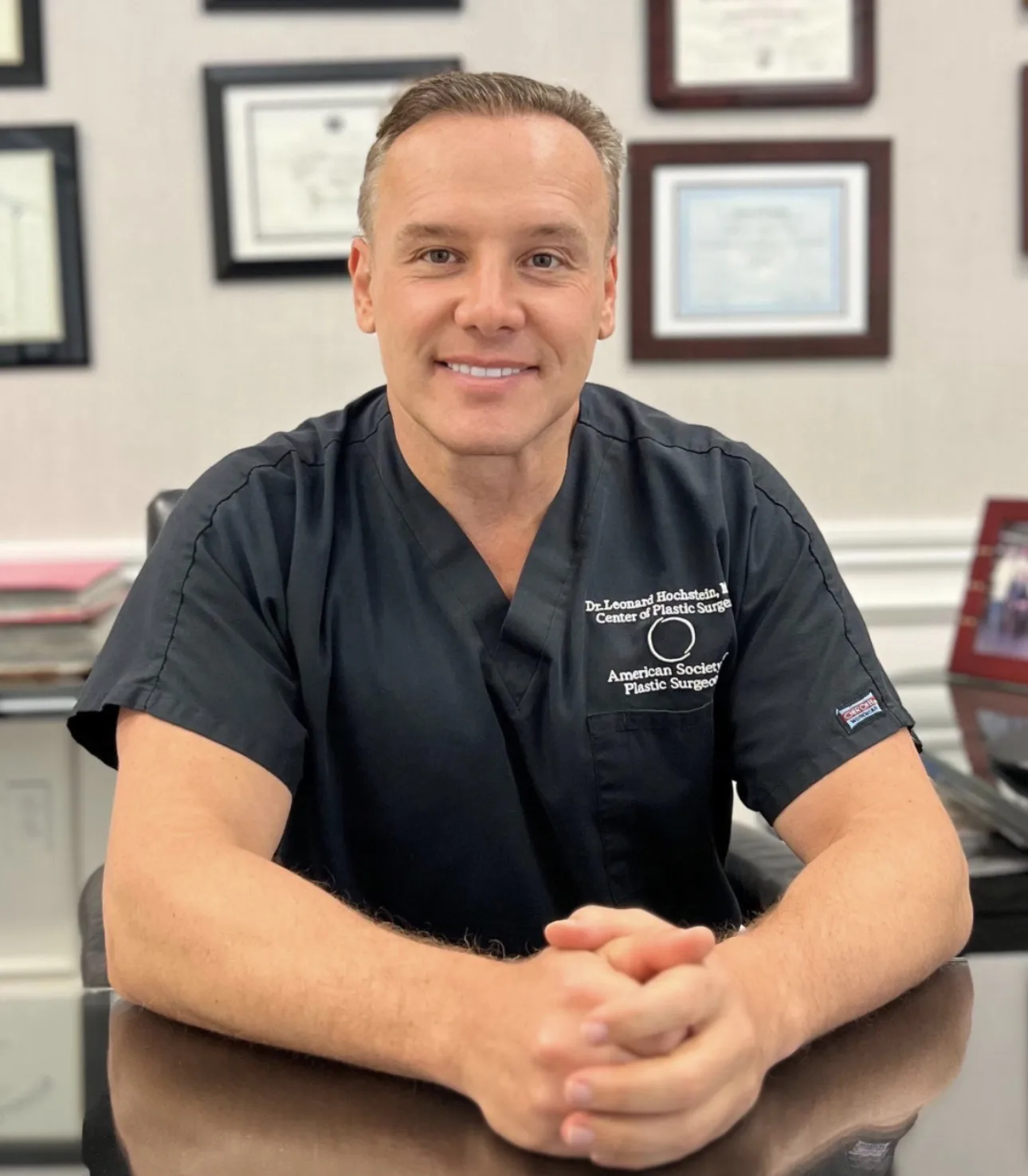
Body contouring increasingly focuses on the relationship between individual anatomy, natural proportions, and localized changes in volume. For some patients, aesthetic concerns involve a relatively small indentation at the hip or diminished fullness after weight loss rather than a desire for extensive surgery. Those distinctions are helping shape conversations about which treatments are appropriate and what realistic changes they can accomplish.
Miami plastic surgeon Dr. Leonard Hochstein has introduced alloClae™ body sculpting at his practice, adding a donor-derived tissue option for targeted volume restoration. The offering is intended for selected patients interested in refining areas such as the hips, hip dips, and buttocks. Its introduction provides another subject for individualized discussions about body shape, available procedures, and the limitations of aesthetic treatment.
Leonard Hochstein, MD, has practiced plastic surgery for more than three decades, according to his professional biography. Although much of his background involves breast surgery, his practice also offers body-contouring procedures. The addition of alloClae™ is consistent with his stated emphasis on evaluating each patient’s anatomy and objectives before recommending treatment.
Understanding alloClae™ and How It Differs From Other Procedures
alloClae™ is a processed human adipose tissue allograft, meaning that its material comes from donated tissue rather than from the person receiving treatment. The manufacturer’s instructions describe a sterile, hydrated product containing nonviable adipocytes, or fat cells, along with connective tissue, triglycerides, and extracellular matrix. That matrix is the structural framework surrounding cells within tissue.
The distinction between living and nonliving cells matters. The manufacturer’s documentation specifies that alloClae™ contains no viable cells and does not depend on living cellular metabolism for its primary function. Its stated purpose is to provide cushioning and structural support under the skin in localized areas where fatty tissue naturally exists. It should therefore be understood as a tissue product rather than described as a regenerative treatment that grows new fat.
According to Dr. Hochstein’s procedure page, treatment is generally performed in the office using local anesthesia and a thin cannula to place the material beneath the skin. The practice estimates a procedure time of approximately 30 minutes to one hour. The details can vary according to the anatomical area, the amount of material considered, and a patient’s medical circumstances.
Preparation is an important part of the product’s medical context. The manufacturer describes donor tissue recovered through an authorized donation process, followed by controlled processing and terminal sterilization using gamma radiation. Its instructions also specify sterile handling, appropriate storage, and single-patient use. These precautions are intended to manage identifiable risks, not to establish that adverse reactions are impossible.
The treatment differs from traditional fat grafting because a clinician does not need to remove fat from the patient’s abdomen, thighs, or another donor site. Conventional autologous fat transfer involves harvesting a patient’s own fat, processing it, and placing it in another area. Liposuction, by contrast, primarily removes fat to change contour. Implants use surgically placed devices to provide volume.
Those differences do not establish that alloClae™ is more effective or safer than other options. Fat grafting, implants, and donor-derived tissue each involve different considerations concerning the degree of change sought, available tissue, procedural risks, and uncertainty about results. A person seeking major reshaping may have needs that differ from someone considering a small, localized adjustment.
Hips, Hip Dips, and Volume Changes Following Weight Loss
The hips and buttocks contribute to the silhouette through a combination of bone structure, muscle, skin, and fat distribution. Their appearance varies naturally among individuals. Even small differences in soft-tissue fullness can affect the transition between the waist, outer hips, and upper thighs.
Hip dips are inward curves along the sides of the hips. They commonly reflect normal skeletal and soft-tissue anatomy rather than a health concern. Some patients nevertheless seek a smoother appearance in these regions. An assessment must consider whether adding localized volume would be appropriate, where material might be placed, and how the desired contour relates to surrounding tissue.
The practice also identifies the buttocks and surrounding hip areas as possible treatment locations. Someone concerned about asymmetry may have different objectives from someone interested in increasing overall fullness. Because individual anatomy is not uniform, a treatment plan should not rely solely on photographs of another patient’s proportions or on an assumed amount of enhancement.
Importantly, targeted volume restoration cannot address every concern about body shape. Skin laxity, substantial excess skin, muscle structure, and broader changes in body composition may require different evaluations and potentially different treatment approaches. A candid consultation should distinguish changes that may be possible through localized placement from concerns the product is not designed to resolve.
Significant weight loss can alter body contours as overall fat stores decrease. Individuals may notice that clothing fits differently or that areas previously supported by subcutaneous fat appear less full. Such changes can occur after weight reduction achieved through different methods, including treatment with GLP-1 medications.
These medications are prescribed for specific medical indications and can produce clinically meaningful weight reduction in eligible patients. The resulting aesthetic changes are not necessarily complications or health problems. Nevertheless, some people who are pleased with their overall weight reduction may wish to discuss persistent concerns about hip or buttock volume.
Dr. Hochstein’s practice identifies post-weight-loss contour changes, including those following GLP-1 treatment, among reasons patients may inquire about alloClae™. This is a proposed aesthetic application, not evidence that the product has been specifically approved to treat GLP-1-related volume loss. Independent clinical research establishing predictable outcomes in this particular population remains limited.
Timing also matters when considering elective body contouring after substantial weight changes. A physician may assess recent weight fluctuations, nutritional and medical status, skin quality, and whether further weight changes are anticipated. These factors can influence how meaningful or durable a contour adjustment may be. No single treatment should be presumed suitable simply because weight loss has changed a person’s appearance.
Safety, Regulatory Context, and Dr. Hochstein’s Individualized Approach
The manufacturer’s instructions describe alloClae™ as a human cellular and tissue-based product distributed under a Section 361 regulatory framework. This is not equivalent to FDA premarket approval. FDA guidance explains that registration and tissue listing alone do not establish approval, compliance, or acceptance of a manufacturer’s regulatory classification. Patients should avoid interpreting the phrase FDA regulated as proof that clinical effectiveness has been established through an FDA approval process.
The manufacturer’s safety information warns against treatment in the presence of active infection and in patients with certain severe allergic sensitivities or a history of anaphylaxis. Potential complications include pain, infection, hematoma, skin discoloration, nodules or cysts, and allergic or immune reactions. The possibility of donor-derived tissue reactions and the limits of available long-term evidence deserve discussion before treatment.
Dr. Hochstein’s website describes relatively short downtime and suggests that swelling and bruising may occur. These are practice descriptions rather than guarantees about recovery. The page also offers estimates for how long results may last, but independently verified evidence sufficient to predict duration for a particular patient was not established. Both the immediate appearance and longer-term outcome may vary.
Hochstein’s own account of his treatment philosophy emphasizes listening, understanding proportions, and making recommendations that reflect what can be achieved safely and realistically. He has described the importance of sometimes advising against a procedure when expectations and available options do not align. That approach is relevant when discussing newer materials whose limitations should be explained as carefully as their intended uses.
A thorough in-person consultation can address medical history, previous procedures, medication use, allergies, the proposed treatment area, and alternatives. It should also clarify how the treatment would be performed, who would administer it, what follow-up might involve, and which symptoms would require medical attention. Patients need sufficient information to weigh possible benefits against uncertainties rather than assuming that a less extensive procedure is without meaningful risk.
The addition of alloClae™ to Dr. Hochstein’s Miami practice reflects a broader interest in localized aesthetic options. Its significance lies in providing another possibility for carefully selected patients, not a universal answer to contour concerns. Sound body-contouring decisions begin with an accurate understanding of anatomy, a clear discussion of evidence and risks, and treatment goals grounded in what individual circumstances can reasonably support.
Disclaimer: This article is for informational purposes only and does not constitute medical advice or an endorsement of any cosmetic procedure. Readers should consult a qualified medical professional to understand the potential benefits, risks, and suitability of body sculpting treatments.