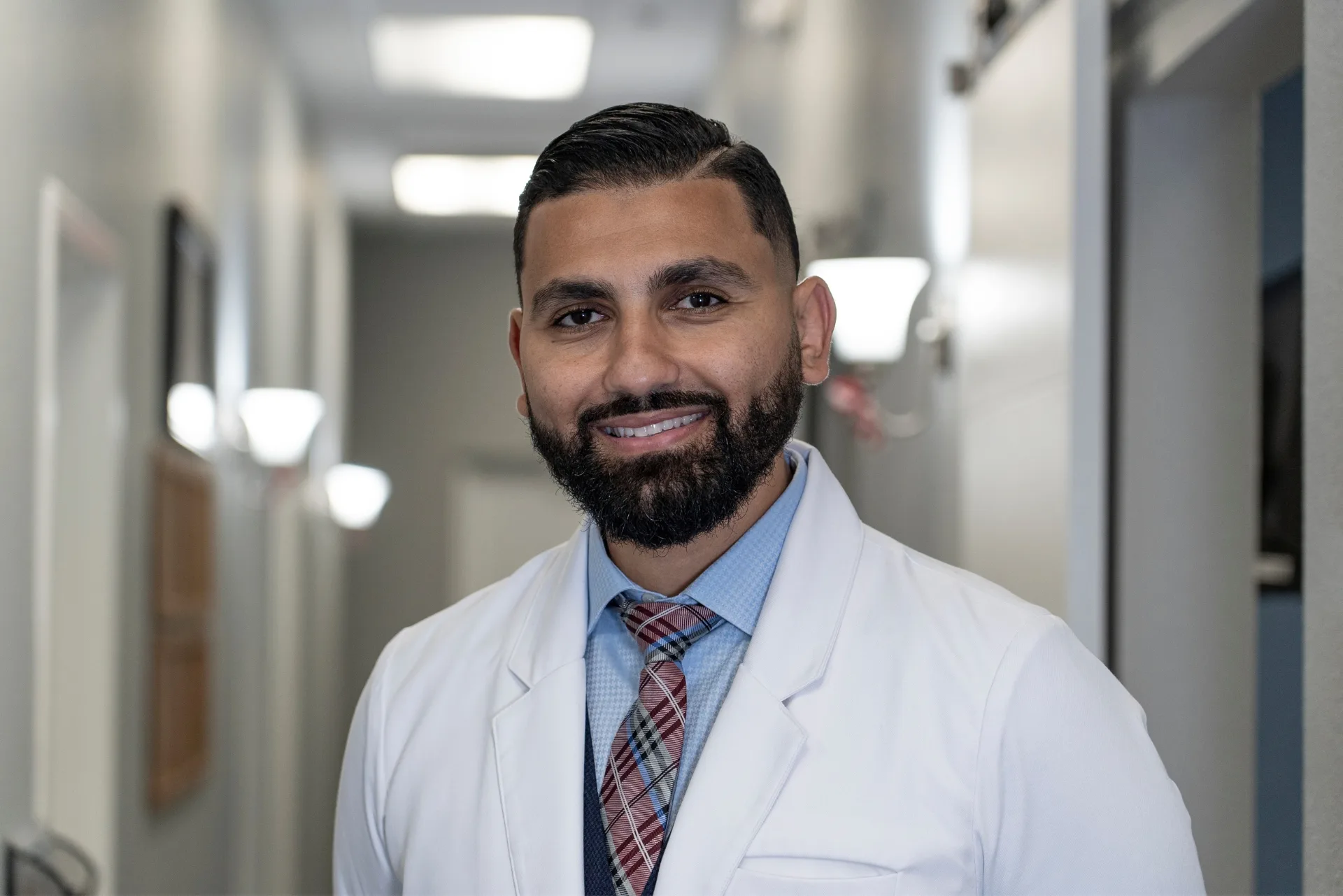
Dr. Robert Abraham on Building Sustainable Healthcare Systems
Dr. Robert Abraham has spent more than a decade operating healthcare practices and advising clinics on structured growth. His work in regenerative medicine, wound care integration, and healthcare strategy centers on a single principle: sustainable systems determine long-term success.
In private healthcare, expansion often receives attention. New services, increased patient volume, and revenue acceleration can create momentum. Yet experience shows that durability depends less on speed and more on operational structure.
This perspective shapes Dr. Abraham’s approach to healthcare system design.
Defining Sustainable Healthcare Systems
A sustainable healthcare system rests on operational clarity. It requires defined roles, structured workflows, and documented processes that support consistency.
Operational structure begins with staffing alignment. Clinics must match patient demand with team capacity. Without that alignment, service quality and documentation accuracy decline. Clear role definitions reduce confusion and improve accountability.
Financial modeling also plays a central role. Revenue forecasting must reflect actual patient flow, not optimistic projections. Sustainable growth depends on realistic assumptions supported by historical data and operational bandwidth. Inflated expectations create pressure that weakens systems.
Compliance awareness remains essential. Regenerative medicine and wound care services operate within defined regulatory frameworks. Clinics must align documentation, marketing language, and patient education with current standards. Sustainable systems integrate compliance into daily workflows rather than treating it as an afterthought.
Dr. Robert Abraham emphasizes that sustainability is not a marketing term. It is an operational standard measured through consistency, documentation integrity, and disciplined decision-making.
Lessons from Multi-Location Healthcare Operations
Before transitioning fully into consulting, Dr. Abraham built and managed multiple healthcare practice locations. Multi-site oversight introduced a level of complexity that required structured leadership.
Centralized performance tracking became necessary. Staffing metrics, patient intake processes, vendor agreements, and documentation procedures needed uniform standards. Without centralized oversight, variation across sites increases risk.
Vendor management also required discipline. Clinics depend on biologics suppliers, equipment manufacturers, and service providers. Contracts must align with financial projections and operational capacity. Poor vendor oversight creates cost volatility.
Financial forecasting across locations reinforced the need for realistic modeling. Revenue trends differ by geography and patient demographic. Structured analysis prevents overextension and supports measured expansion.
Multi-location management demonstrated that growth without operational infrastructure leads to instability. Sustainable systems require standardization, accountability, and structured review.
Structural Mistakes in Healthcare Expansion
Healthcare organizations often pursue expansion before building foundational systems. Dr. Robert Abraham identifies several recurring structural mistakes observed in private practice growth.
The first involves scaling services without staffing readiness. Clinics may add regenerative procedures without evaluating team capacity or documentation workflows. This approach increases strain and elevates compliance risk.
The second mistake centers on revenue assumptions. Projected income frequently exceeds operational capacity. When projections drive decisions instead of data, instability follows.
A third structural gap appears in vendor dependence. Clinics sometimes commit to product agreements without long-term forecasting. Without financial modeling and volume analysis, vendor relationships can create operational imbalance.
Finally, compliance oversight often receives attention only after growth begins. Sustainable systems integrate documentation standards and regulatory awareness from the outset.
These patterns illustrate a consistent lesson: infrastructure must precede expansion.
Regenerative Medicine and Sustainable Implementation
Regenerative medicine continues to expand within private healthcare. Clinics evaluating regenerative program integration must consider more than procedural training.
Feasibility assessment provides the first layer of sustainability. Market demand, staffing capacity, documentation workflows, and vendor agreements require evaluation before service launch. Structured assessment reduces risk and clarifies realistic growth pathways.
Documentation standards demand attention. Regenerative procedures involve detailed clinical records and patient communication protocols. Clinics must implement documentation systems aligned with regulatory expectations.
Financial discipline remains central. Sustainable regenerative programs rely on revenue forecasting tied to staffing models and operational bandwidth. Short-term spikes do not define stability.
Dr. Abraham advises clinics to approach regenerative integration as a systems initiative. Implementation should align with operational readiness rather than promotional momentum.
Leadership Discipline and Organizational Durability
Sustainable healthcare systems reflect leadership discipline. Decision-making frameworks determine whether growth remains structured or reactive.
Accountability systems help maintain operational balance. Performance metrics, documentation audits, and staffing evaluations support consistency. Leaders who track measurable indicators can correct course before problems escalate.
Clear communication structures also support durability. Staff must understand workflow expectations and compliance standards. Structured training reduces variation across teams.
Reactive management weakens stability. Sustainable systems require proactive forecasting and measured decision-making. Leaders who prioritize structure build organizations capable of long-term operation.
Dr. Abraham’s advisory perspective emphasizes that leadership discipline shapes system integrity.
Infrastructure Before Scale
Healthcare expansion often begins with service addition. Sustainable growth, however, begins with infrastructure development.
Operational audits provide insight into readiness. Clinics benefit from evaluating workflow capacity, documentation alignment, vendor agreements, and staffing performance before adding new services.
Capacity planning protects against overextension. When patient demand exceeds operational bandwidth, service quality and compliance accuracy decline. Infrastructure planning ensures growth aligns with capability.
Vendor due diligence also contributes to sustainability. Product distribution, biologics sourcing, and equipment procurement require contractual clarity and long-term forecasting.
Dr. Robert Abraham maintains that infrastructure determines scalability. Without structured systems, growth remains fragile.
Long-Term Viability Versus Short-Term Acceleration
Healthcare organizations often experience periods of rapid expansion. Yet sustainability depends on consistency rather than acceleration.
Short-term revenue spikes can create operational strain if staffing and documentation systems lag behind. Long-term viability reflects stable patient flow, structured compliance processes, and disciplined financial oversight.
Sustainable growth curves differ from rapid expansion models. They emphasize gradual scaling supported by operational readiness.
Patient trust also depends on stability. Consistent systems produce reliable service delivery and documentation integrity. Long-term healthcare organizations prioritize trust over acceleration.
Dr. Abraham’s perspective frames sustainability as a leadership responsibility. Growth should align with structure, not pressure.
Industry Outlook: The Future of Sustainable Healthcare
Private healthcare continues to face evolving regulatory standards and documentation expectations. Regenerative medicine and wound care programs require increasing operational sophistication.
Healthcare organizations that invest in structured systems will likely maintain greater durability. Financial forecasting, vendor oversight, compliance integration, and staffing alignment remain central pillars.
As biologics distribution and regenerative services expand, operational maturity will determine long-term viability. Clinics that build infrastructure before expansion position themselves for stability.
Dr. Abraham’s work reflects this direction. His advisory and industry leadership roles focus on structured implementation and sustainable healthcare systems designed for endurance.
In an environment where expansion attracts attention, sustainable systems define longevity.