Drain Repair in London: A Complete Guide to Professional Drain Repairs, Maintenance, and Long-Term Drainage Solutions
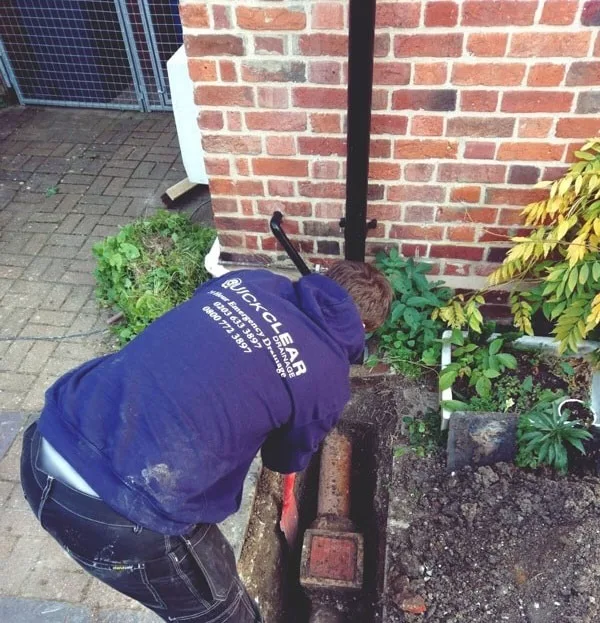
A properly functioning drainage system is one of the most important parts of any property, yet it often goes unnoticed until something goes wrong. Damaged drains can lead to slow drainage, unpleasant odours, recurring blockages, flooding, damp problems, and even structural damage if repairs are delayed. Whether the issue involves cracked pipework, collapsed drains, displaced joints, or tree root intrusion, early diagnosis and professional repairs can prevent more serious and expensive problems in the future.
Many homeowners, landlords, businesses, and property managers choose Drain Repair London specialists to restore damaged drainage systems safely and efficiently. Modern repair techniques allow drainage engineers to identify faults accurately using specialist inspection equipment before recommending the most appropriate repair solution. In many cases, repairs can now be completed with minimal excavation, reducing disruption while restoring the drainage system to full working order.
Professional drain repair is about more than fixing an immediate fault. It also involves identifying the underlying cause, protecting the surrounding drainage network, and helping property owners avoid repeated problems through preventative maintenance and expert advice.
Quick Answer: What Does Drain Repair Include?
Professional drain repair restores damaged drainage systems, improves wastewater flow, and prevents further structural deterioration.
| Drain Repair Service | Purpose |
| CCTV drain surveys | Identify hidden drainage defects |
| Drain repairs | Repair damaged pipework |
| Drain relining | Repair pipes without excavation |
| Drain replacement | Replace severely damaged drains |
| Root removal | Remove tree root intrusion |
| High-pressure jetting | Clean blocked drains |
| Emergency drain repair | Resolve urgent drainage failures |
| Preventative maintenance | Reduce future repair costs |
Professional repairs help restore reliable drainage while protecting the property.
Why Drain Repairs Are Important
Drainage systems experience wear over time due to age, ground movement, heavy use, and environmental factors.
Timely repairs help:
- Prevent flooding
- Reduce blockages
- Protect foundations
- Improve drainage performance
- Prevent unpleasant odours
- Reduce repair costs
- Extend pipe lifespan
- Maintain property hygiene
Addressing problems early usually results in less disruption and lower repair costs.
Common Drain Problems
Drainage systems can develop a variety of faults.
Common issues include:
- Cracked pipes
- Collapsed drains
- Blocked drains
- Root intrusion
- Pipe displacement
- Broken joints
- Corrosion
- Grease build-up
- Scale deposits
- Surface water problems
Professional diagnosis ensures the correct repair method is chosen.
CCTV Drain Surveys
Modern drainage engineers use specialist waterproof cameras to inspect underground pipework.
CCTV inspections help identify:
- Cracks
- Structural damage
- Root intrusion
- Blockages
- Pipe collapse
- Misaligned joints
Accurate diagnosis reduces unnecessary excavation while improving repair planning.
Drain Relining
Drain relining is a modern repair technique that restores damaged drains internally.
Benefits include:
- Minimal excavation
- Faster installation
- Reduced disruption
- Lower repair costs
- Improved pipe strength
- Extended drainage lifespan
Relining is suitable for many cracked or damaged drainage systems.
Drain Replacement
Some drainage systems require complete replacement.
Replacement may be necessary when:
- Pipes have collapsed
- Structural damage is severe
- Existing repairs are no longer effective
- Pipe sections are beyond repair
Professional assessment determines whether replacement is the most appropriate solution.
Tree Root Intrusion
Tree roots naturally seek moisture and frequently enter damaged drainage systems.
Signs include:
- Repeated blockages
- Slow drainage
- Water leaks
- Pipe movement
- Structural damage
Removing roots and repairing damaged sections restores efficient drainage.
High-Pressure Water Jetting
Before repairs, drainage systems are often cleaned using high-pressure water jetting.
Jetting removes:
- Grease
- Fat deposits
- Sludge
- Organic waste
- Scale
- Loose debris
Clean pipework allows engineers to inspect damage more accurately.
Emergency Drain Repairs
Some drainage failures require immediate attention.
Emergency repairs commonly address:
- Flooding
- Sewage backups
- Collapsed drains
- Burst drainage pipes
- Overflowing manholes
- Severe blockages
Rapid response helps minimise damage to homes and businesses.
Residential Drain Repairs
Homeowners commonly require drain repairs for:
- Kitchen drains
- Bathroom drainage
- External drainage
- Garden drains
- Gully repairs
- Underground pipework
Professional repairs help protect both the property and its occupants.
Commercial Drain Repairs
Businesses require dependable drainage to maintain normal operations.
Commercial services often include:
- Planned maintenance
- Drain inspections
- Emergency repairs
- Drain cleaning
- Pipe replacement
- Preventative servicing
Routine maintenance helps reduce unexpected operational disruption.
Preventative Drain Maintenance
Ongoing maintenance helps reduce future repair costs.
Professional maintenance may include:
- CCTV inspections
- Drain cleaning
- Water jetting
- Root management
- Surface drain maintenance
- Scheduled servicing
Preventative care extends the life of drainage systems.
Choosing a Drain Repair Specialist
When selecting a drainage contractor, consider:
- Industry experience
- Qualified engineers
- Modern equipment
- CCTV inspection capability
- Emergency response
- Transparent communication
- Repair expertise
- Customer reputation
Experienced specialists provide reliable long-term drainage solutions.
Signs Your Drain May Need Repair
Professional assistance may be required if you notice:
- Persistent blockages
- Slow drainage
- Bad smells
- Damp areas
- Water pooling
- Gurgling sounds
- Repeated flooding
- Cracks around drainage points
Early diagnosis often prevents more extensive repairs later.
Restoring Reliable Drainage with Professional Repairs
A damaged drainage system can quickly affect the safety, hygiene, and value of a property if left unresolved. Professional companies such as Quick Clear Drainage use advanced diagnostic equipment, modern repair techniques, and preventative maintenance strategies to restore drainage systems efficiently while minimising disruption. Whether dealing with minor pipe damage or more significant structural issues, timely repairs help protect homes, businesses, and commercial properties while extending the lifespan of the entire drainage network.
Frequently Asked Questions
What causes drains to become damaged?
Drains can become damaged due to ground movement, ageing pipework, tree root intrusion, heavy traffic, corrosion, poor installation, blockages, or accidental impact.
What is drain relining?
Drain relining is a trenchless repair technique that installs a durable internal lining inside an existing damaged pipe, restoring its structural integrity without extensive excavation.
How can a CCTV drain survey help?
A CCTV drain survey allows engineers to inspect underground drains using specialist cameras, identifying cracks, collapsed sections, blockages, root intrusion, and other hidden defects accurately.
When should a drain be repaired instead of replaced?
Many damaged drains can be repaired if the structural damage is limited. Complete replacement is generally recommended only when the pipe has suffered extensive collapse or severe deterioration.
Can tree roots damage drainage systems?
Yes. Tree roots can enter small cracks or joints in drainage pipes, causing blockages, displacement, leaks, and structural damage if not removed promptly.
How can I reduce the risk of future drain problems?
Regular drain cleaning, CCTV inspections, preventative maintenance, responsible waste disposal, and prompt attention to minor issues can significantly reduce the likelihood of future drainage failures.
Why should drain repairs be carried out quickly?
Delaying repairs may allow damage to worsen, increasing the risk of flooding, sewage backups, property damage, higher repair costs, and more extensive disruption.