Drone as First Responder: What the First 90 Seconds of a Call Look Like in 2027
When an emergency call arrives, the first minutes shape everything that follows. Officers need accurate information, and dispatchers need it fast. A drone as first responder program closes that gap by sending an aircraft to the scene before ground units arrive. In 2027, this model will look less like an experiment and more like standard practice for many agencies.
This article walks through the first 90 seconds of a typical call, second by second. It also explains the technology behind each stage and what agencies should prepare before they launch. The timeline below reflects how these programs generally operate and the regulatory direction in aviation, and actual results will vary by agency, airspace, and local rules.
What Does “Drone as First Responder” Mean?
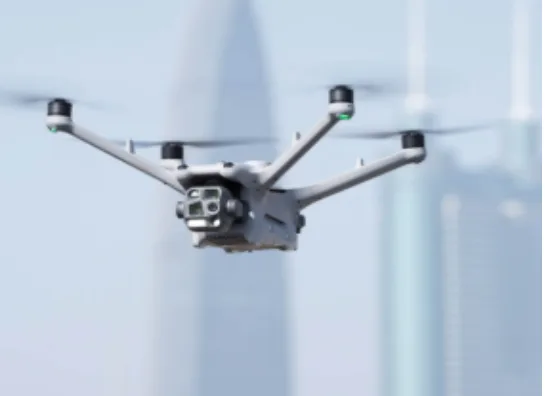
A drone as first responder (DFR) program launches an unmanned aircraft in response to an emergency call, often before any patrol vehicle reaches the location. The aircraft streams live video to dispatchers and officers, who then decide how to respond.
A DFR drone does not replace officers, firefighters, or paramedics. It gives them early, accurate situational awareness. That awareness helps teams choose the right resources, approach safely, and avoid unnecessary escalation.
Why the First 90 Seconds Matter
Early information changes decisions. A dispatcher who sees the scene can confirm whether a report is accurate, how many people are involved, and whether hazards exist. Responders then arrive with a plan instead of a guess.
The first 90 seconds also set the tone for the entire response. Agencies that act quickly gain time to coordinate, reduce risk, and direct help where it matters most.
The Technology Behind a Fast Launch
Speed starts long before the call comes in. Three elements make a rapid launch possible.
The Drone Docking Station
A drone docking station houses the aircraft, protects it from weather, and keeps the battery charged and ready. Agencies place these stations on rooftops or other elevated sites so the aircraft can reach coverage areas quickly.
The Autonomous Drone Dock
An autonomous drone dock goes further. It opens, launches the aircraft, receives it after the flight, swaps or recharges power, and prepares for the next call, all without a person on site. This automation removes the delay of driving to a launch point.
Remote Operation and Connectivity
Trained remote pilots or dispatch staff fly missions from a command center. Secure networks carry video and control data. Reliable connectivity matters as much as the aircraft itself, so agencies test coverage carefully before they commit to station locations.
The First 90 Seconds, Step by Step
Here is how a typical call can unfold in a mature program.
0 to 15 Seconds: The Call Comes In
A caller reports an incident. The dispatcher collects the address and key details while the computer-aided dispatch system flags the call as eligible for drone response. The dispatcher confirms eligibility with a single action, and the system sends the launch command to the nearest dock.
15 to 30 Seconds: Launch and Climb
The autonomous drone dock opens its cover, and the aircraft lifts off. It climbs to a safe altitude and heads toward the location along a planned route. The remote pilot monitors the flight and checks airspace conditions as the aircraft travels.
30 to 60 Seconds: Transit to the Scene
The aircraft flies at speed toward the call location. Many agencies position docks so that most addresses in their coverage area fall within a short flight. During transit, the pilot reviews the live map, avoids obstacles, and keeps the dispatcher informed of the arrival estimate.
60 to 90 Seconds: Eyes on the Scene
The aircraft arrives and begins streaming live video. The dispatcher and responding officers now see what is happening. They can confirm the location, count people, spot vehicles, and identify hazards. Dispatchers relay that information to units en route, who adjust their approach before they arrive.
By the end of 90 seconds, the team has moved from a voice description to a visual picture.
What Responders Gain From Early Video
Live video from a DFR drone helps in several ways:
- Better decisions. Teams send the right units the first time.
- Safer approaches. Officers see hazards before they step into them.
- Faster resolution. Early facts help close low-risk calls without unnecessary dispatch.
- Clearer records. Video documents the scene accurately for later review.
- Stronger public safety. Faster information supports faster help.
These benefits compound across hundreds of calls in a year.
What Agencies Need Before They Launch
A successful program depends on more than hardware. Agencies should prepare in five areas.
Regulatory Approvals
Aviation authorities set strict rules for flights beyond visual line of sight and for operations over people. Agencies must understand their country’s requirements and secure the right permissions before launch. Rules continue to evolve, so teams should confirm current requirements with their regulator.
Community Trust and Policy
Residents want to know how agencies use drones, what data they collect, and how long they keep it. Publish clear policies on flight purposes, video retention, and privacy protections. Invite public input early, and report results openly. Transparency builds the trust that these programs depend on.
Training and Procedures
Pilots, dispatchers, and officers need shared procedures. Train teams on launch criteria, communication, emergency handling, and post-flight review. Run regular drills so the first 90 seconds feel routine rather than rushed.
Coverage Planning
Map call volume, response times, and terrain before choosing dock locations. Good placement gives the widest useful coverage with the fewest stations. Review the plan each year as call patterns change.
Maintenance and Reliability
Docks and aircraft need regular inspection, software updates, and spare parts. Track uptime and launch success rates, and fix problems quickly. A dock that sits offline cannot help anyone.
Common Mistakes to Avoid
- Skipping community engagement. Silence creates suspicion.
- Buying hardware first. Define goals and policies before you select equipment.
- Ignoring weather limits. Plan for conditions that ground flights.
- Neglecting data governance. Set storage and access rules early.
- Underinvesting in training. Skilled people make the technology work.
FAQs
- What is a drone as first responder program?
It sends an unmanned aircraft to an emergency call before ground units arrive. The drone streams live video to dispatchers and officers, who use it to make faster, better-informed response decisions.
- How does an autonomous drone dock work?
The dock stores the aircraft, opens on command, launches it, receives it after landing, and recharges or swaps the battery. This automation lets agencies launch without sending staff to a site.
- Does a DFR drone replace human responders?
No. A DFR drone supports officers, firefighters, and paramedics by providing early visual information. People still make decisions, take action, and provide care at the scene.
- Where do agencies place a drone docking station?
Agencies often choose rooftops and other elevated sites that offer clear flight paths. They base locations on call volume, terrain, and coverage goals so most addresses fall within a short flight.
- What rules govern drone first response?
Aviation regulators set the rules, especially for flights beyond visual line of sight. Requirements differ by country and change over time, so agencies should confirm current permissions with their regulator.
Ending Thoughts
A drone as first responder program turns the first 90 seconds of a call into a visual, data-rich moment. A drone docking station keeps the aircraft ready, an autonomous drone dock launches it without delay, and a DFR drone gives responders the picture they need before they arrive. Agencies that invest in planning, training, and community trust will lead this shift in 2027.
If your agency wants to explore this model, start with a clear coverage plan, a strong policy framework, and a trusted technology partner. Then test, measure, and expand with confidence.