Easy Ways to Spend Less When Shopping Online
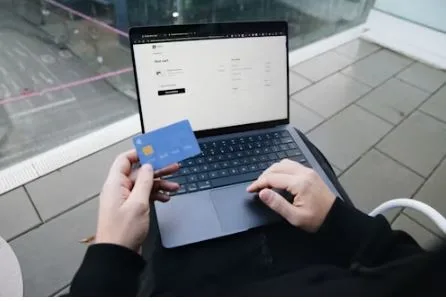
Online shopping has made it incredibly easy to compare products, discover new brands, and have almost anything delivered straight to your door. However, convenience can also make it surprisingly easy to spend more than planned. Delivery charges, impulse purchases, and attractive promotions can quickly increase the final cost of an order.
Fortunately, becoming a smarter online shopper does not require giving up the things you enjoy. A few simple habits can help reduce your spending while still allowing you to buy the products you need.
Compare Prices Before You Buy
One of the biggest advantages of shopping online is that you are not limited to a single retailer. Before purchasing an item, check a few competing stores to see whether the same or a similar product is available for less.
Remember to compare the final price rather than just the advertised product price. A store selling an item for $5 less may charge $10 for delivery, making the supposedly cheaper option more expensive overall.
Look for Free Shipping
Shipping fees are one of the easiest costs to overlook. A small delivery charge might not seem significant, but paying it repeatedly throughout the year can add up.
Before checking out, look for free-delivery promotions or minimum-spend offers. Resources such as FreeShipping codes can also help shoppers discover shipping offers and promotional opportunities from different retailers.
Just be careful with minimum-spend promotions. Adding an unnecessary $25 product to save $7 on delivery is not really a saving.
Check for Coupon Codes
Never assume the price displayed on a product page is necessarily the lowest price available.
Many retailers regularly offer promotional codes for percentage discounts, fixed-price savings, new customers, newsletter subscribers, or seasonal promotions.
Before completing an order, spend a minute checking whether a valid coupon is available.
Leave Items in Your Cart
Unless you need something immediately, avoid purchasing it the moment you see it.
Add the product to your cart or wishlist and give yourself some time. After 24 or 48 hours, you may realise you do not actually need it.
Some retailers may also send reminders or promotional offers to encourage customers to return, although this is never guaranteed.
Create a Shopping List
Shopping lists are not just useful at supermarkets.
Before browsing online, write down exactly what you intend to purchase. Having a clear plan reduces the chances of being distracted by recommended products, flash sales, and “customers also bought” suggestions.
If something is not on your list, ask yourself whether you genuinely need it before adding it to your basket.
Sign Up Strategically
Retail newsletters can sometimes provide worthwhile benefits, including first-order discounts, free-shipping offers, or early access to sales.
However, subscribing to every retailer can have the opposite effect. Constant promotional emails may encourage purchases you otherwise would never have considered.
Consider subscribing only when you are planning a purchase or regularly shop with that particular brand.
Compare Sizes and Quantities
The cheapest-looking option is not always the best value.
When buying household products, cosmetics, food, supplements, or other consumables, compare the price per unit, gram, ounce, or millilitre.
A larger package may have a higher upfront price while costing considerably less per use.
Avoid Shopping When Bored
Impulse purchases often happen when people browse shopping apps without actually needing anything.
Retailers make discovering new products incredibly easy, so casually scrolling through an online store can quickly turn into an unnecessary order.
Treat shopping as a task rather than entertainment. Visit a retailer when you need something, compare your choices, make your decision, and leave.
Keep an Eye on Your Total Spending
A $15 purchase here and a $25 purchase there can feel insignificant individually.
Together, however, frequent small orders can become a substantial monthly expense.
Review your bank or card statement at the end of each month and calculate how much you actually spent shopping online. Seeing the total can make unnecessary spending much easier to identify.
Final Thoughts
Saving money online is usually less about finding one enormous discount and more about making consistently smarter decisions.
Compare prices, check coupons and shipping costs, avoid impulse purchases, and focus on the final amount you will actually pay. Once these habits become routine, you can continue enjoying the convenience of online shopping while keeping much more of your money.