Eco-Friendly Solutions for Industrial Surface Cleaning
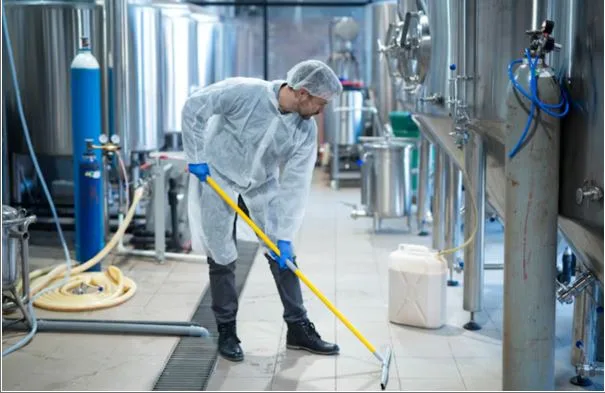
Industrial surface cleaning plays a critical role in maintaining operational efficiency, product quality, and workplace safety. However, traditional cleaning methods often rely on harsh chemicals, excessive water consumption, and energy-intensive processes that can harm both the environment and human health. As industries face increasing regulatory pressure and societal expectations to reduce their environmental footprint, the shift toward eco-friendly cleaning solutions has become not just beneficial, but essential.
Sustainable surface cleaning in industrial settings focuses on minimizing waste, reducing emissions, conserving resources, and ensuring safer working conditions. Advances in technology and process optimization now offer a wide range of alternatives that deliver effective cleaning performance without compromising environmental responsibility.
The Environmental Impact of Traditional Cleaning Methods
Conventional industrial cleaning typically involves solvents, detergents, and abrasive techniques that generate hazardous waste. Many of these chemicals release volatile organic compounds (VOCs), which contribute to air pollution and can pose serious health risks to workers. Wastewater generated during cleaning processes often contains contaminants that require extensive treatment before disposal.
Additionally, traditional methods frequently rely on large volumes of water and significant energy inputs, particularly in high-pressure washing or thermal cleaning systems. These practices can lead to increased operational costs and a larger carbon footprint, especially when used at scale in manufacturing, energy, and transportation sectors.
Principles of Eco-Friendly Industrial Cleaning
Eco-friendly cleaning solutions are guided by several key principles:
Resource Efficiency
Reducing the consumption of water, energy, and raw materials is central to sustainable cleaning. This includes optimizing cleaning cycles, using targeted application methods, and selecting technologies that minimize resource use.
Non-Toxic and Biodegradable Materials
Environmentally responsible cleaning agents are designed to break down safely without leaving harmful residues. These alternatives reduce risks to both human health and ecosystems.
Waste Reduction
Minimizing the generation of solid and liquid waste is a major goal. Techniques that eliminate secondary waste streams, such as spent abrasives or contaminated water, are particularly valuable.
Worker Safety
Eco-friendly approaches prioritize safer working environments by reducing exposure to toxic substances and improving air quality within industrial facilities.
Advanced Eco-Friendly Cleaning Technologies
Technological innovation has been a driving force behind the transition to sustainable industrial cleaning. Several methods have emerged as highly effective alternatives to traditional practices.
Dry Ice Blasting and Cryogenic Cleaning
One of the most notable advancements is tørrisblåsing (dry ice blasting), a process that uses solid carbon dioxide pellets accelerated at high speeds to clean surfaces. When the pellets impact a surface, they sublimate instantly, transitioning from solid to gas without leaving residue.
This method offers several environmental benefits. It eliminates the need for chemical solvents, reduces water usage, and produces minimal secondary waste. Because the CO₂ used is often captured as a byproduct from other industrial processes, it does not contribute significantly to net greenhouse gas emissions. Additionally, dry ice blasting is non-abrasive, making it suitable for delicate equipment and reducing the risk of damage.
Cryogenic cleaning techniques also support operational efficiency by allowing equipment to be cleaned in place, reducing downtime and avoiding the need for disassembly.
Steam Cleaning and Low-Moisture Systems
Steam cleaning is another eco-friendly alternative that uses high-temperature vapor to remove contaminants such as grease, oil, and biological residues. This method requires significantly less water than conventional washing and often eliminates the need for chemical additives.
Low-moisture cleaning systems further enhance sustainability by precisely controlling water application, ensuring that only the necessary amount is used. These systems are particularly effective in industries where water conservation is critical or where excessive moisture could damage equipment.
Laser Cleaning Technology
Laser cleaning is an emerging technique that uses focused light pulses to remove rust, paint, and contaminants from surfaces. This process is highly precise and generates minimal waste, as the removed material is often vaporized or captured through filtration systems.
Because laser cleaning does not rely on chemicals or abrasive materials, it significantly reduces environmental impact. It is also highly controllable, allowing operators to target specific areas without affecting surrounding materials.
Biodegradable and Bio-Based Cleaning Agents
Advancements in green chemistry have led to the development of biodegradable cleaning agents derived from natural sources such as plant-based enzymes and surfactants. These products are designed to perform effectively while breaking down safely after use.
Bio-based cleaners can replace traditional solvents in many applications, reducing the release of harmful substances into the environment. They are particularly useful in industries such as food processing, pharmaceuticals, and agriculture, where contamination risks must be carefully managed.
Applications Across Industries
Eco-friendly cleaning solutions are being adopted across a wide range of industrial sectors, each with its own specific requirements and challenges.
Manufacturing and Heavy Industry
In manufacturing environments, sustainable cleaning methods help maintain machinery and production lines without introducing contaminants. Techniques like dry ice blasting are widely used to clean molds, conveyors, and electrical components without disassembly.
Food Processing and Packaging
Hygiene standards in food processing are extremely strict, making eco-friendly cleaning both a necessity and a challenge. Steam cleaning and biodegradable agents are commonly used to ensure cleanliness while avoiding chemical residues that could affect product safety.
Energy and Power Generation
Power plants and energy facilities require regular cleaning of turbines, heat exchangers, and other critical components. Eco-friendly methods help maintain efficiency while reducing environmental risks associated with traditional cleaning chemicals.
Marine and Logistics
Innovations such as Super Green (a dry-ice-based super-cooling concept for transporting fresh seafood) demonstrate how sustainable technologies can extend beyond cleaning into broader industrial processes. While primarily designed for preservation, such systems highlight the versatility of environmentally friendly approaches that rely on controlled cooling and minimal chemical use.
Regulatory and Economic Drivers
The adoption of eco-friendly industrial cleaning is increasingly influenced by regulatory frameworks and economic considerations. Governments around the world are implementing stricter environmental regulations, limiting the use of hazardous chemicals and requiring better waste management practices.
Compliance with these regulations often necessitates the adoption of greener cleaning methods. At the same time, companies are recognizing the financial benefits of sustainability. Reduced water and energy consumption, lower waste disposal costs, and improved operational efficiency can lead to significant savings over time.
Moreover, organizations that prioritize sustainability often gain a competitive advantage, as customers and stakeholders increasingly favor environmentally responsible practices.
Challenges and Considerations
Despite the many benefits, transitioning to eco-friendly cleaning solutions can present challenges. Initial investment costs for advanced technologies such as laser systems or dry ice blasting equipment may be higher than traditional methods. However, these costs are often offset by long-term savings and efficiency gains.
Another consideration is the need for training and adaptation. Workers must be properly trained to use new technologies safely and effectively. In some cases, existing processes may need to be redesigned to fully integrate sustainable cleaning methods.
Additionally, not all eco-friendly solutions are suitable for every application. Careful evaluation is required to ensure that the chosen method meets both environmental and operational requirements.
The Future of Sustainable Industrial Cleaning
The future of industrial surface cleaning lies in the continued integration of sustainability, technology, and innovation. Advances in automation, artificial intelligence, and data analytics are expected to further optimize cleaning processes, reducing resource use and improving precision.
Research in green chemistry will likely lead to even more effective biodegradable cleaning agents, while improvements in equipment design will make eco-friendly technologies more accessible and cost-effective. The development of closed-loop systems, where waste is minimized and resources are reused, will also play a key role in shaping the industry.
Collaboration between industry, academia, and regulatory bodies will be essential in driving progress and ensuring that sustainable practices become the standard rather than the exception.
Conclusion
Eco-friendly solutions for industrial surface cleaning represent a critical step toward more sustainable and responsible industrial operations. By reducing reliance on harmful chemicals, conserving resources, and minimizing waste, these approaches not only protect the environment but also enhance efficiency and safety.
As technology continues to evolve and regulatory pressures increase, the adoption of sustainable cleaning methods will become increasingly widespread. Industries that embrace these innovations early will be better positioned to meet future challenges, reduce costs, and contribute to a cleaner, healthier planet.