Electric Dirt Bikes vs. Gas Dirt Bikes: Which Is Better for Trail Riding?
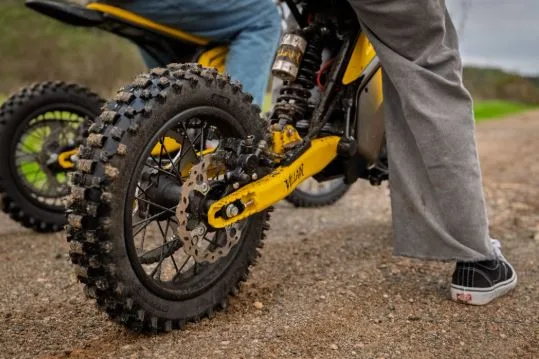
Trail riding has always been about getting away from pavement and experiencing something different. For years, gas-powered dirt bikes have been the standard choice for riders heading into the woods, across open terrain, or onto dedicated off-road trails. Today, electric dirt bikes are changing that equation.
Modern electric models offer quick acceleration, quiet operation, and less routine maintenance. Gas dirt bikes still have advantages of their own, especially when it comes to refueling and extended rides far from a power source.
So, when it comes to trail riding, which one is better?
The answer depends on how and where you ride.
Power Delivery and Trail Performance
One of the biggest differences between electric and gas dirt bikes is how they deliver power.
An electric motor can deliver strong torque almost immediately. There is no need to build engine speed in the same way as a traditional gasoline engine, and many electric dirt bikes do not require a clutch or conventional gear shifting. This can make acceleration feel smooth and predictable, particularly when climbing hills or navigating technical sections.
For newer riders, that simple power delivery can also make it easier to concentrate on throttle control, body position, and the terrain ahead.
Gas dirt bikes offer a different experience. Engine performance builds through the rev range, and experienced riders can use gears and clutch control to manage power precisely. For motocross, racing, and riders who enjoy the mechanical character of an internal-combustion engine, that experience remains a major part of the appeal.
Neither system automatically wins on performance. The better choice depends on the type of riding you enjoy.
Range and Refueling
Range is one area where gas dirt bikes continue to have a practical advantage.
When a gas bike runs low on fuel, refueling takes only a few minutes. Riders can also carry additional fuel for longer trips, making gas bikes convenient for remote areas where electricity may not be available.
Electric dirt bikes require more planning. Ride time depends on battery capacity, terrain, rider weight, speed, temperature, and riding style. Aggressive riding through steep or technical terrain can use significantly more energy than steady trail riding.
For short and medium trail sessions, charging at home can be extremely convenient. But if you regularly spend an entire day riding deep in remote terrain, you need to think about charging access or whether carrying a spare battery is practical for your particular model.
In other words, electric works particularly well when your typical ride fits comfortably within the bike’s usable range. Gas remains attractive for long-distance riding where quick refueling matters.
Maintenance: Less Work vs. Traditional Mechanics
Maintenance is another major difference.
Gas dirt bikes have internal-combustion engines with components that require regular attention. Depending on the model, owners may need to deal with oil changes, air filters, spark plugs, valve adjustments, fuel systems, exhaust components, and other engine-related maintenance.
Electric dirt bikes eliminate many of those tasks. There is no engine oil to replace and no spark plug or exhaust system to maintain. Riders still need to inspect the chain, brakes, tires, suspension, fasteners, and electrical connections, while the battery requires proper charging and storage practices.
That does not mean electric bikes are maintenance-free. Off-road riding is hard on any vehicle, and mud, dust, water, impacts, and repeated suspension movement can wear components regardless of the powertrain.
The difference is that electric bikes generally have fewer powertrain-related maintenance tasks between rides.
Noise Can Change the Riding Experience
Noise is one of the most noticeable differences on the trail.
Gas-powered dirt bikes produce engine and exhaust noise that can travel a considerable distance. Electric models are much quieter, with most of the remaining sound coming from the drivetrain, tires, and the surrounding environment.
Research on electric motorcycles has found that replacing gasoline motorcycles with electric models can reduce exposure to motorcycle-related traffic noise in certain environments.
For trail riders, quieter operation can make the experience feel very different. You can hear tires moving over dirt, suspension working, and the surrounding environment instead of spending the entire ride alongside engine noise.
However, quieter does not automatically mean an electric dirt bike is permitted everywhere. Trail access is determined by the land manager and local regulations, not simply by whether a vehicle has an electric motor.
For example, the Bureau of Land Management distinguishes between Class 1–3 e-bikes and other electric vehicles. Electric vehicles outside those definitions can continue to be managed as off-highway vehicles. The Forest Service also identifies which specific routes are open to particular types of motor vehicles.
Always check the rules for your specific trail before riding.
Which Is Easier for Beginners?
For someone new to off-road riding, an electric dirt bike can offer a simpler learning curve.
There is generally no clutch to operate or gear selection to manage on many electric models. Riders can focus more directly on throttle control, braking, balance, and reading the terrain.
That can be especially useful when learning how to handle loose dirt, steep climbs, rocks, roots, and tight turns.
Gas bikes have a steeper mechanical learning curve, but that is not necessarily a disadvantage. Many riders enjoy learning clutch control and gear selection because these skills become an important part of mastering a traditional dirt bike.
The best option comes down to whether you prefer simplicity or the more involved experience of riding a gas-powered machine.
Electric or Gas: Which One Is Better for Trail Riding?
There is no universal winner.
An electric dirt bike may be the better fit if you want:
- Quiet and smooth trail riding
- Immediate throttle response
- Less routine powertrain maintenance
- Simple controls
- Convenient charging at home
- Short to medium riding sessions
A gas dirt bike may make more sense if you prioritize:
- Long-distance trail riding
- Fast refueling
- Remote rides without charging access
- Traditional engine performance
- Racing and high-intensity riding
- Easy access to conventional motorcycle mechanics and fuel
The choice becomes much easier when you start with your actual riding habits rather than simply comparing specifications.
For riders considering a compact electric dirt bike for recreational off-road riding, Heybike Sports is one example of the newer generation of electric dirt bikes. Its V1 uses a 52V 26Ah battery and a 4,160W peak mid-drive motor, with a claimed top speed of 45 mph and up to 50 miles of range. These specifications make it a useful example of how modern electric dirt bikes are moving beyond the basic low-power recreational category.
Ultimately, the best dirt bike is the one that matches your terrain, riding distance, experience, and access to charging or fuel. Electric technology has made off-road riding a very different experience, but gas-powered dirt bikes still have a place for riders who value range, quick refueling, and traditional engine performance.